

PAYETTE proudly celebrates the retirement of George Marsh, FAIA, whose extraordinary 45-year career has left an enduring mark on the firm, the profession and the campuses, institutions and communities transformed by his work.
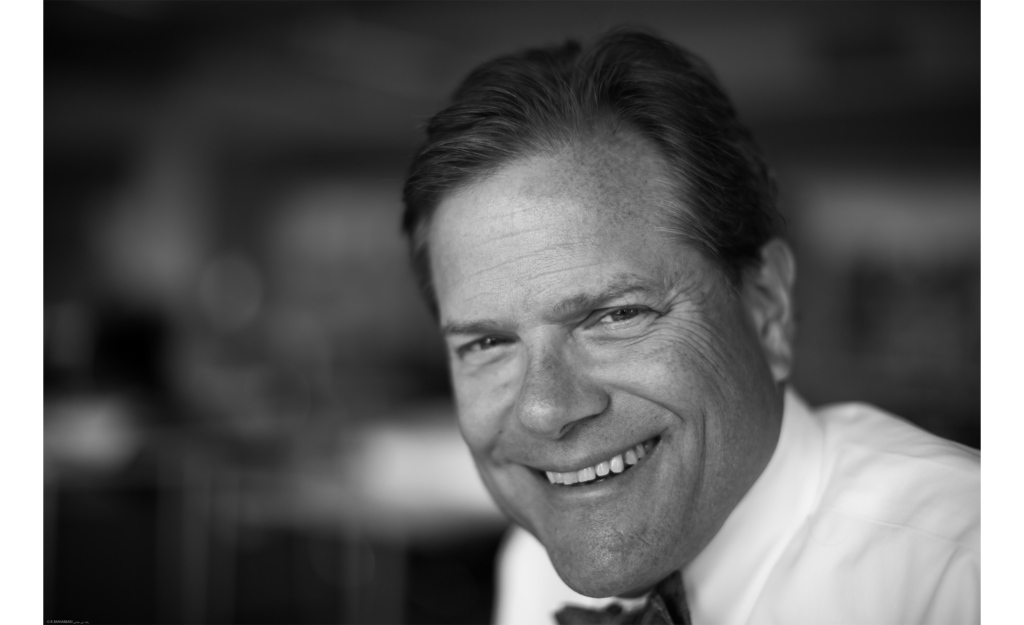
Since joining PAYETTE in 1980, shortly after graduating from Carnegie Mellon University in 1979, George has been a defining force in the evolution of the firm’s planning and architectural practice. Elevated to Principal in 1990 and named a Fellow of the American Institute of Architects in 2013, George helped establish PAYETTE as a national leader in the design of complex academic, healthcare and research environments—while always insisting that these buildings remain deeply connected to people and place.
Through decades of work, George brought a rare combination of architectural rigor, contextual sensitivity and long-range institutional vision. He was an unusually versatile architect, equally accomplished in the design of both healthcare and science buildings, moving seamlessly between highly technical research environments and humane clinical spaces. His projects were never conceived as isolated objects, but as pieces of a larger institutional and civic fabric. Whether working within historic settings, dense urban conditions or expansive institutional landscapes, George consistently sought to create architecture that felt both contemporary and enduring—buildings grounded in their setting and shaped around human experience.
As Tom Payette once reflected:
“George has always had an extraordinary ability to understand the deeper history and spirit of a place. His work consistently exceeded expectations—not only in architectural quality, but in how it strengthened campuses, communities and the lives of the people who use them.”
George’s body of work spans some of the most significant institutions in higher education and healthcare. At Duke University, he helped shape an entirely new science precinct rooted in the legacy of Horace Trumbauer and Julian Abele’s original campus vision. At the Aga Khan University, he led the planning of a transformative new arts and sciences campus that received national recognition for excellence in campus planning.
His work at the University of Pittsburgh established a powerful dialogue between contemporary biomedical research and the institution’s historic architectural fabric, including a new medical education wing for Scaife Hall and the landmark Biomedical Sciences Tower III. At Tufts University, George guided projects ranging from the Tsungming Tu Science and Engineering Complex to long-range planning efforts for the Health Sciences and Veterinary Medicine campuses. His leadership also shaped major healthcare environments including the Klarman Building at Beth Israel Deaconess Medical Center, the new inpatient building at White Plains Hospital, the Holyoke Veterans Home and longstanding work for Dana-Farber Cancer Institute, where he brought humanity, clarity and institutional vision to highly complex clinical and research settings.
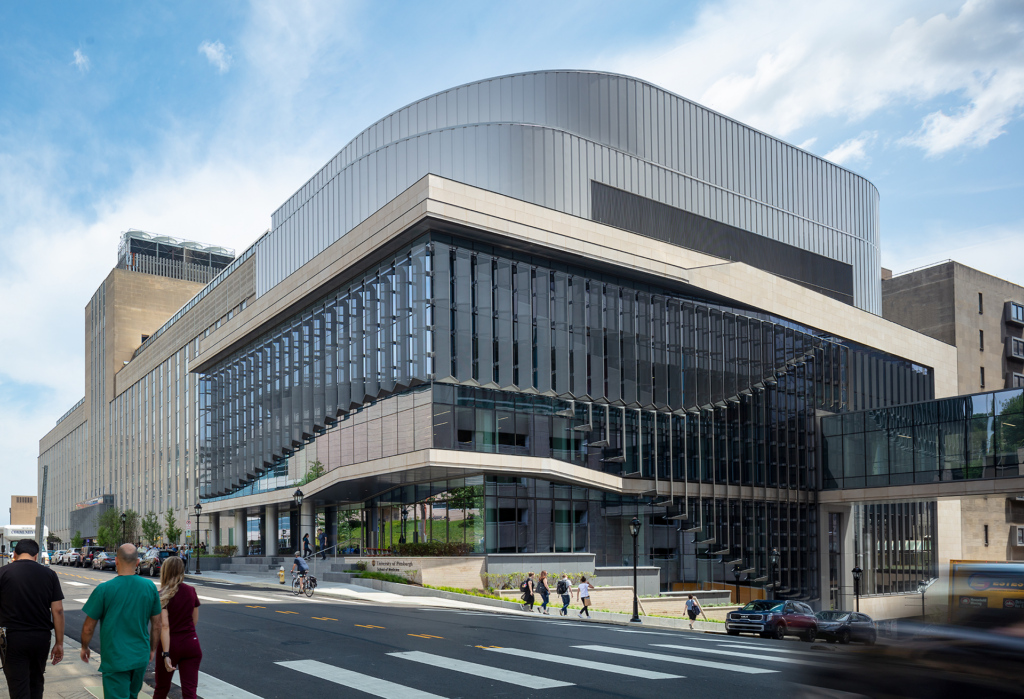
The final decade of George’s career proved pivotal in transforming PAYETTE’s healthcare practice through a series of ambitious and visionary projects. At a moment of significant evolution within the profession, George helped broaden the firm’s understanding of what contemporary healthcare environments could be—more humane, more integrated and more connected to the larger civic and institutional fabric.
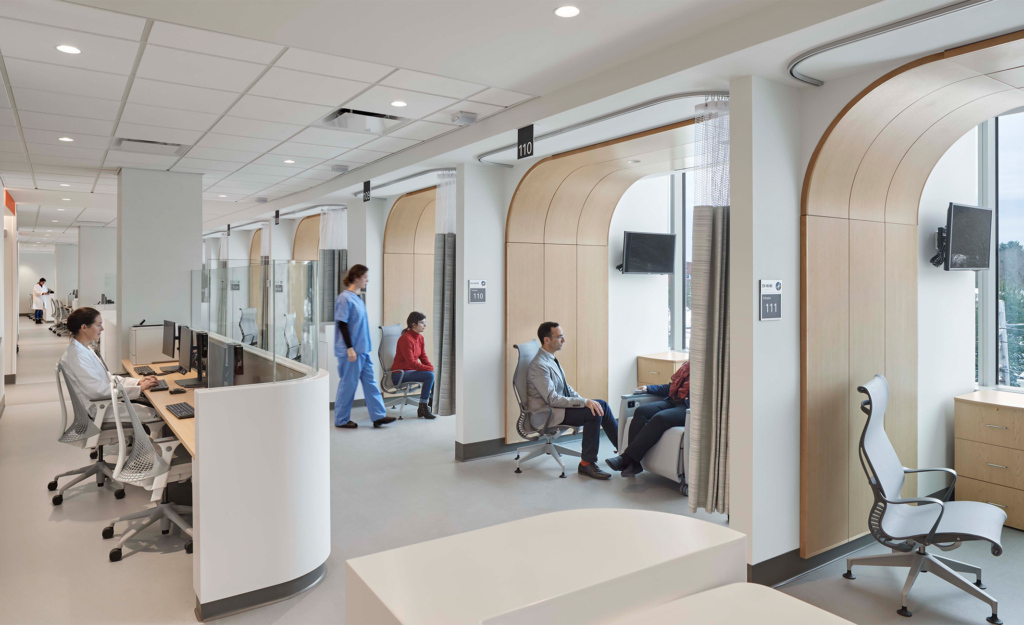
What distinguished George’s work was not a singular formal style, but a consistent ethos. He believed deeply that highly technical buildings could—and should—create meaningful public environments. Throughout his career, he pushed science, healthcare and research architecture beyond pure functionality toward places of connection, dignity and civic presence. His projects balanced architectural history with innovation and technological complexity, always with a remarkable sensitivity to landscape, campus structure and human scale.

George also possessed a deep love for architectural history and institutional memory. On nearly every campus, he could often be found in the library or archives, uncovering forgotten drawings, stories and planning histories that would ultimately shape the design of the project. He believed architecture gained meaning through continuity and stewardship—by understanding what came before and thoughtfully extending it forward.
George was also known throughout the office for his love of sketching and his ever-present sketchbooks, which amassed into hundreds of volumes over the course of his career. With astonishing speed and clarity, he could sketch the conceptual framework of a project almost in real time—translating complex institutional, spatial and urban relationships into elegant diagrams and drawings. For George, sketching was never merely representational; it was a way of thinking, discovering and understanding place.
Within PAYETTE, George has long been admired not only for his architectural leadership, but for his steadiness, generosity and mentorship. He brought enormous care to every client relationship and every project team, cultivating trust through rigor, thoughtfulness and deep institutional understanding. He was also, quite simply, the most ethical person many of us have ever known—the consummate partner and collaborator. Generations of architects across the firm benefited from his guidance, calm perspective and unwavering commitment to design excellence.
Beyond practice, George dedicated himself to the stewardship of architecture and community through civic and professional leadership, including service to the Boston Society for Architecture, the Back Bay Architectural Commission and numerous preservation and community initiatives throughout Massachusetts.
George’s career reflects a profound belief that architecture is ultimately about creating places that endure in memory, enrich everyday life and strengthen the institutions they serve. His legacy at PAYETTE is visible not only in the extraordinary body of work he leaves behind, but in the culture of care, professionalism and architectural integrity that he helped shape over more than four decades.
Thank you, George, for your remarkable leadership, your friendship and your lasting contributions to PAYETTE and the profession. Your work has made our campuses, cities and institutions better places—and your presence has made this firm immeasurably stronger.
With deep gratitude, admiration and affection,
—PAYETTE


From milling to installation: a new feature wall for Breaktime.
This branded feature wall is the first installment of our work for the Breaktime Hub, a resource center in downtown Boston where young adults experiencing housing insecurity can access health services, job training, basic necessities, and shelter.
The custom-milled MDF panels echo Breaktime’s logo while doubling as ledges for photos and personal objects. We’re thrilled to continue our work with Breaktime and look forward to the next installment of custom architectural furniture for the Hub.
#designalways #fabrication #artofmaking #boston #architecture