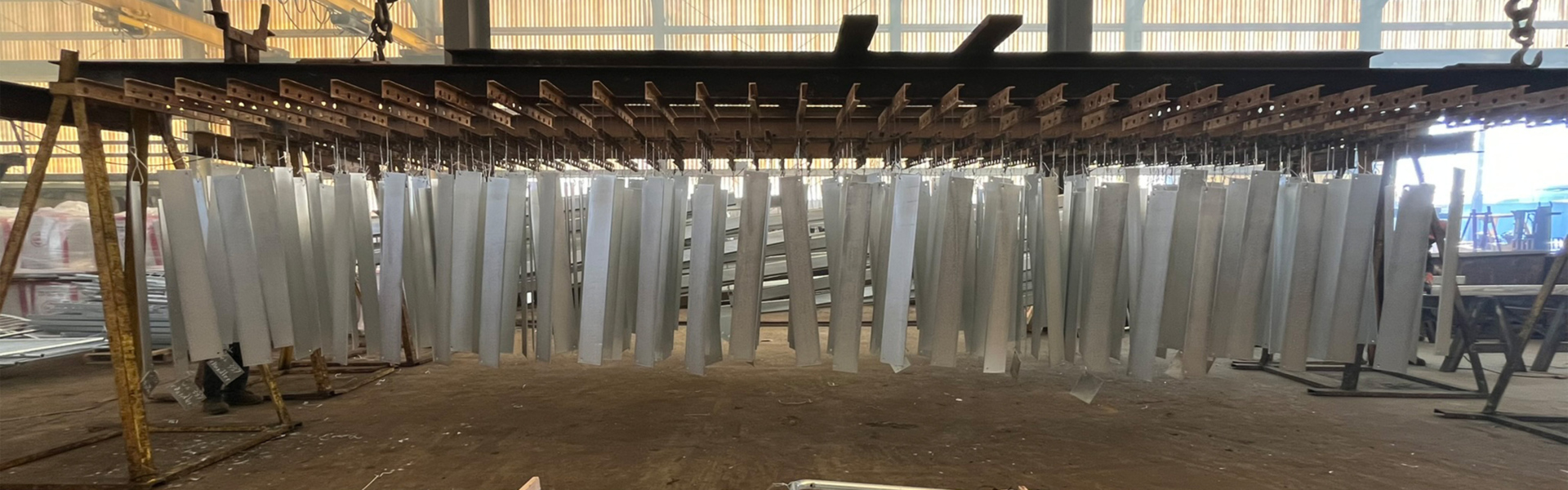

At PAYETTE, we understand that research and education are not separate from practice. Designing responsibly requires understanding how materials are made, where they come from, and who is involved in their production. Through ongoing industry outreach, we connect with local builders, manufacturers, and trade partners to better understand the expertise behind our projects. These visits provide insight into the industries that support architecture and clarify our role within the process. Forming connections improves our design thinking, deepens awareness of environmental impact, and reinforces human connection through our work.
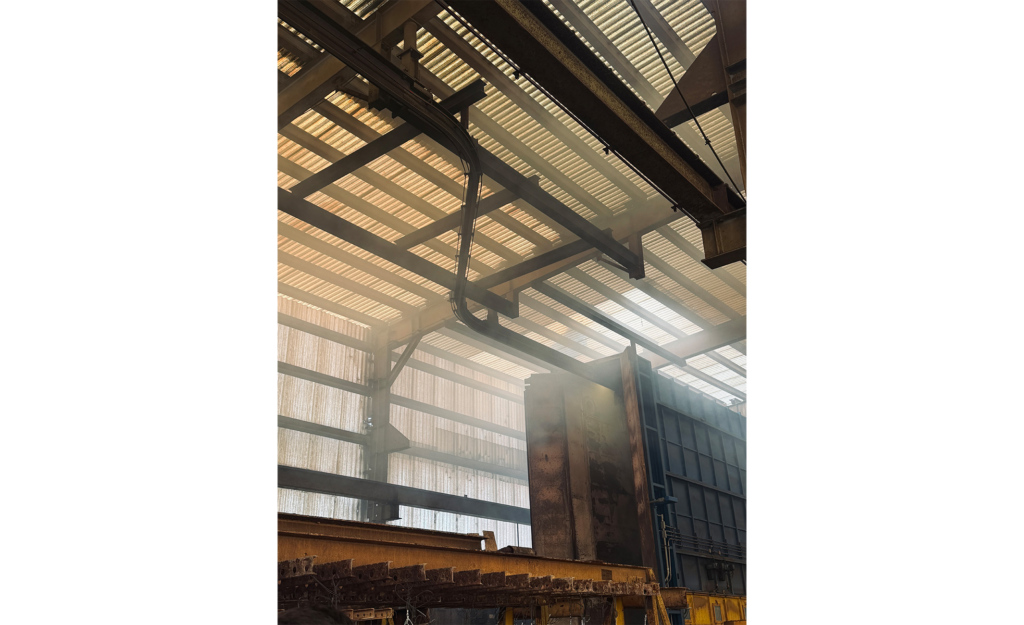
Galvanizing chamber at Duncan Galvanizing in Everett, MA. Photo credit: Stella Shin
Knowing how building products are made feeds directly into the design process, for young and old architects alike. Material tolerances, connections between trades, constructability, finish quality, and standards of care are made visceral by seeing the raw product in ways that spec language cannot begin to convey. Seeing a newly minted finish reveals patterns, textures, and material limitations that can then become part of a designer’s toolkit, and the informed architect can emphasize or deemphasize features in the future as a given situation requires. Awareness of the process opens new doors into craft, customization, and confidence when breaking from established norms.
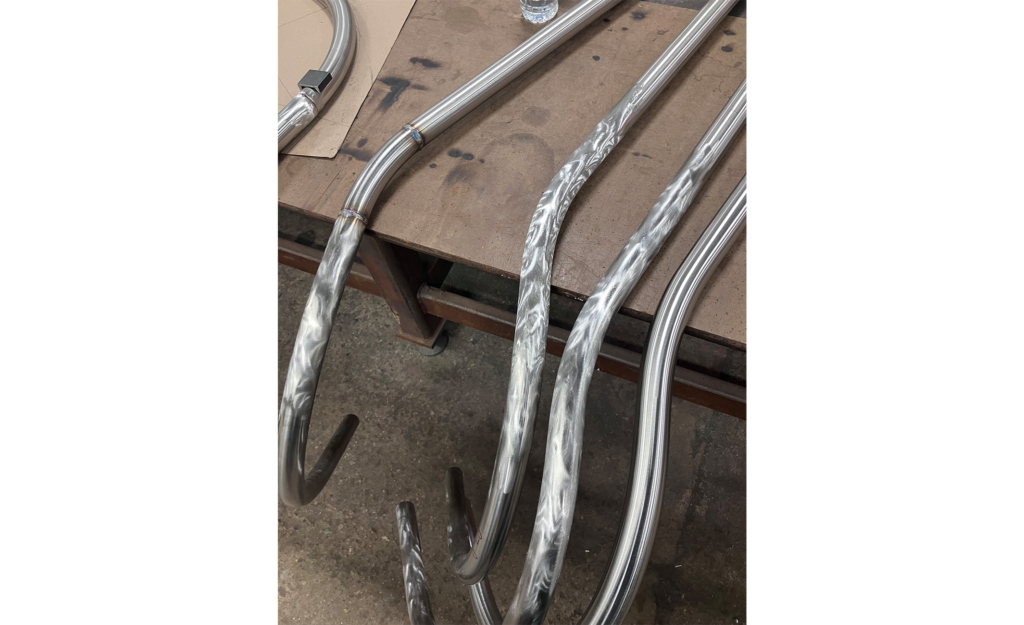
Handrail fabrication from welded segments to finished product at DeAnglis Steel in Easton, MA. Photo credit: Mickey Chapa
environmental awareness
Visiting a factory or warehouse can breaks one’s conception of scale – whether through seeing piles of raw minerals, cranes that can lift more than can be fathomed, or pallets upon pallets of neatly packaged final product. We see and experience buildings every day, but not until you see individual components en masse or in production do you feel their gravity. The connection makes one think more critically about sourcing, about composition, downstream health, and where everything goes once we’re done with it. The energy and material required to create a building is extraordinary, and so the more informed we are the more we can reduce, offset, or even negate associated impacts to the environment.
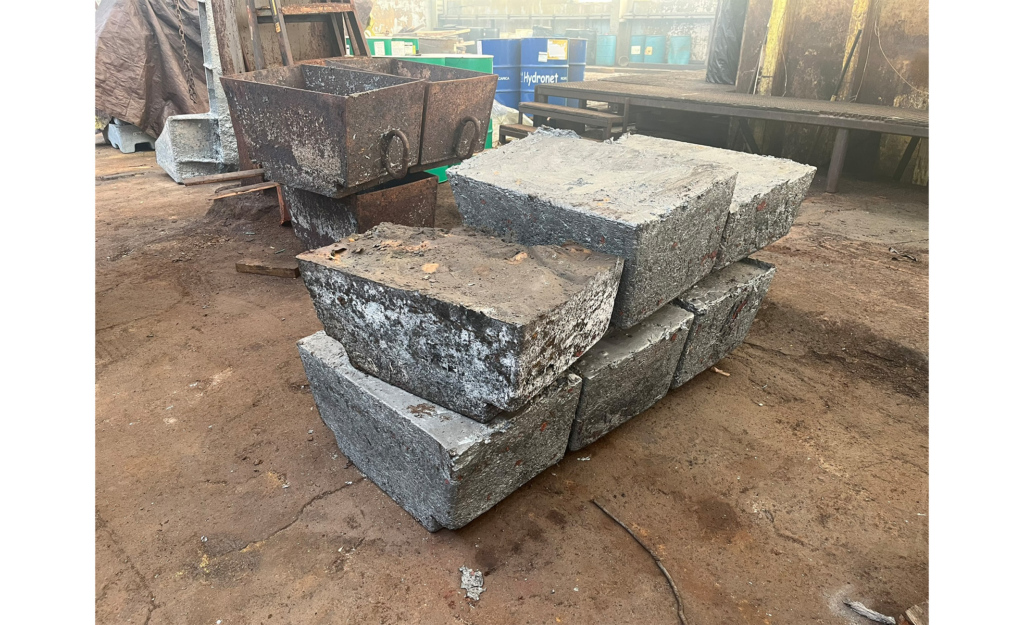
Solid blocks of zinc, from pure ore to recovered waste to be sent out for recycling or agricultural supplement. Photo credit: Xuancheng Zhu
building relationships
Manufacturers translate drawings and specification into the real-world, revealing the precision and care required at every step. The process of connecting with fabricators creates new relationships, repairs antagonism between designer and builder, and creates a tighter, local community and economy. Also, meeting the trade partners and being walked through an installation or mockup is invaluable in demonstrating complexity, sometimes more and sometime much less effort than might be expected. Awareness breeds trust and also educates project teams as a whole when considering budget and schedule.
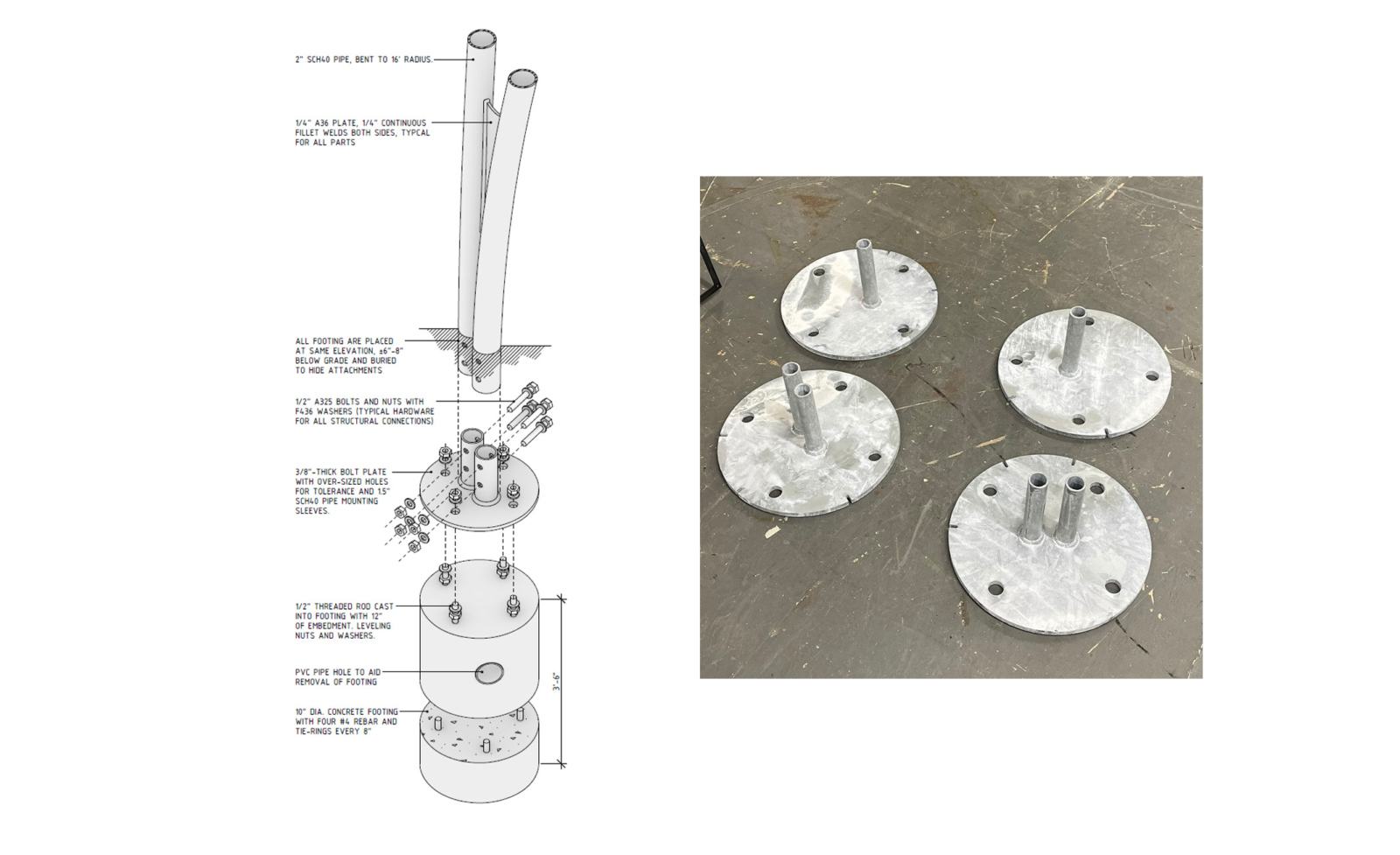
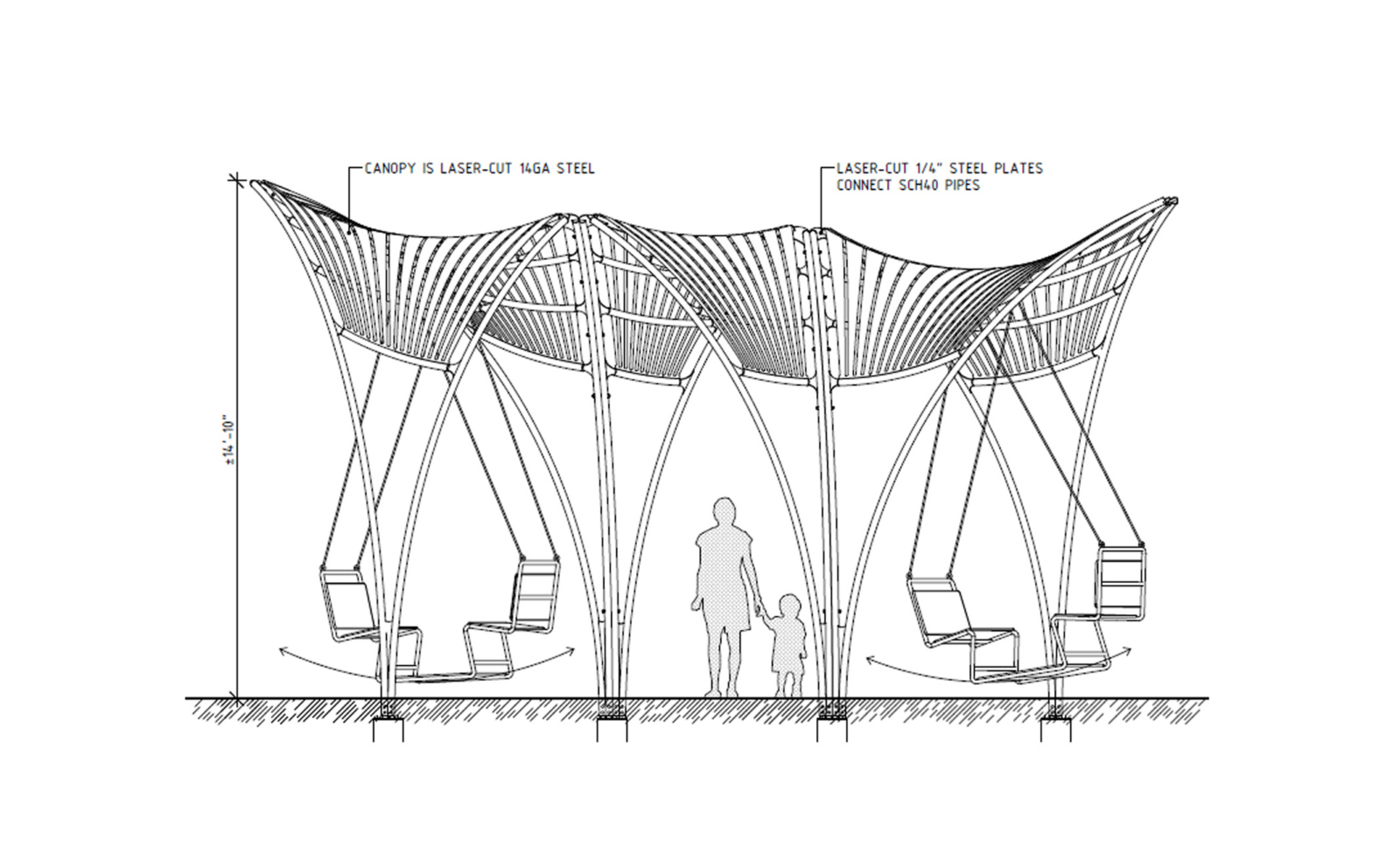
Base plate for the Dancing Dragon installation was galvanized and powder coated prior to installation.
Knowing the exact manufacturer who can repair a historic gate, fabricate a custom curved guardrail, or refine a design prior to construction can eliminate guesswork, reduce unforeseen issues, and enable ideas.
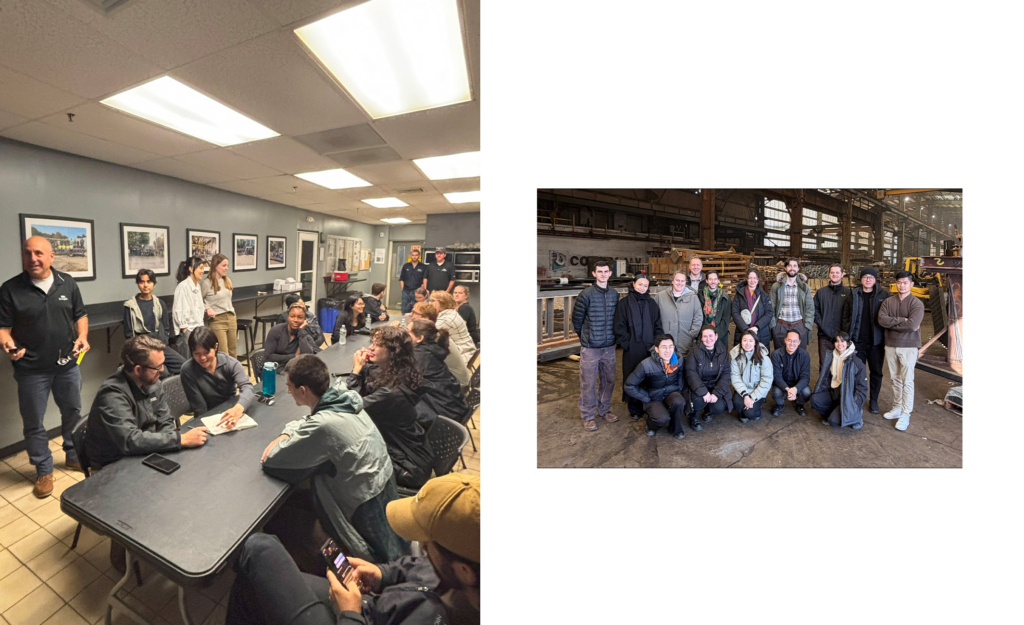
These visits to the often unseen side of our industry are enlightening and deeply uplifting for everyone involved. We encourage further involvement and investigation into the act of making as an intentional social, environmental, and cultural act that improves our work, our industry, and community at large.


From milling to installation: a new feature wall for Breaktime.
This branded feature wall is the first installment of our work for the Breaktime Hub, a resource center in downtown Boston where young adults experiencing housing insecurity can access health services, job training, basic necessities, and shelter.
The custom-milled MDF panels echo Breaktime’s logo while doubling as ledges for photos and personal objects. We’re thrilled to continue our work with Breaktime and look forward to the next installment of custom architectural furniture for the Hub.
#designalways #fabrication #artofmaking #boston #architecture