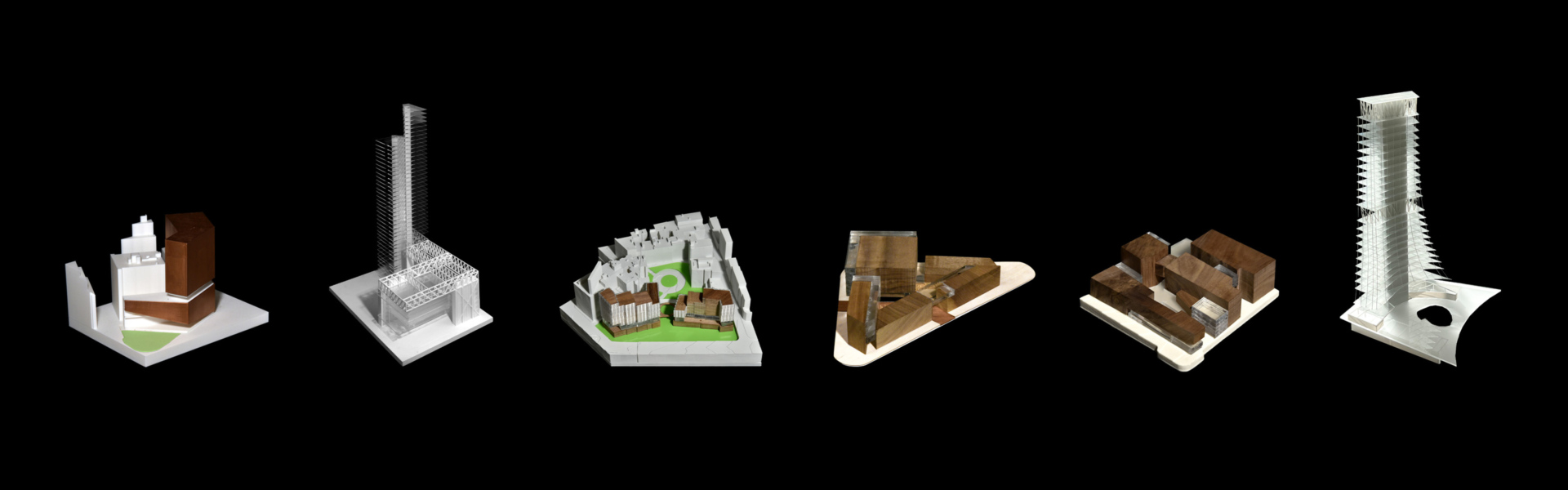
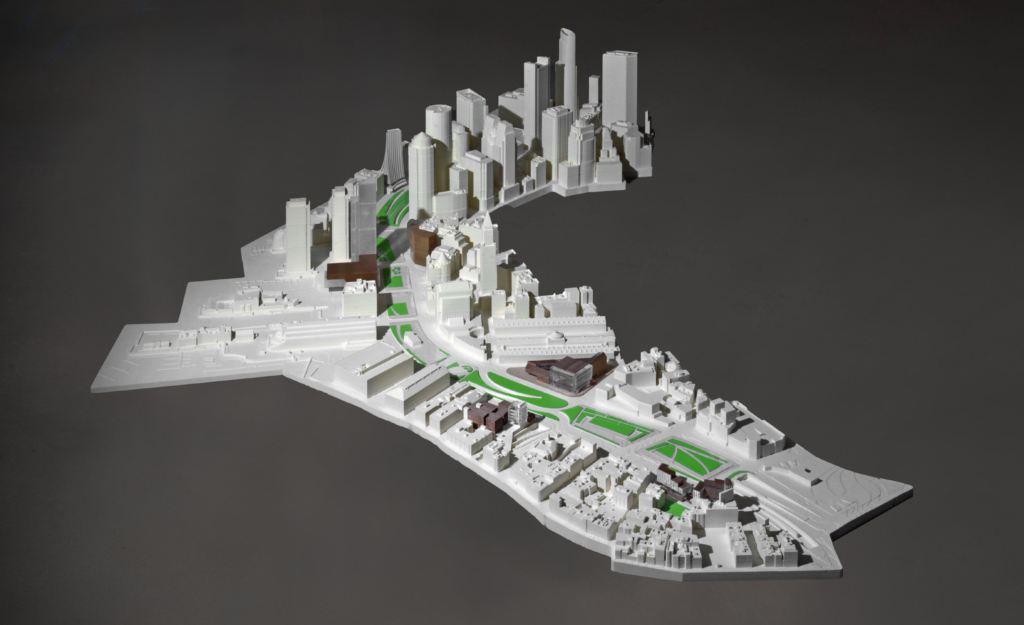
OpenLAB Boston is an immersive collaboration between PAYETTE and the Center for Design Research within the Virginia Tech School of Architecture that situates architectural education directly within the daily culture of practice. Embedded within the firm’s studio environment, students participate in a semester-long experience where design, fabrication, research, and professional practice are encountered simultaneously rather than as separate domains.
The program is founded on the belief that architectural education is most transformative when learning occurs through active participation: drawing, modeling, prototyping, discussion, observation, and critique unfolding in real time alongside practicing architects, designers, fabricators, and researchers. Through this exchange, students gain insight into the complex realities of practice while the office itself is continually renewed through teaching, experimentation, and discourse.
Each studio investigates a specific urban condition in Boston through an iterative process of research, design, and making. Working across scales — from urban systems to material assemblies — students explore how architecture emerges through the interplay of program, performance, materiality, sustainability, and form. OpenLAB Boston positions practice not simply as professional preparation, but as a site of inquiry where architectural thinking is continuously tested, refined, and collectively advanced.


From milling to installation: a new feature wall for Breaktime.
This branded feature wall is the first installment of our work for the Breaktime Hub, a resource center in downtown Boston where young adults experiencing housing insecurity can access health services, job training, basic necessities, and shelter.
The custom-milled MDF panels echo Breaktime’s logo while doubling as ledges for photos and personal objects. We’re thrilled to continue our work with Breaktime and look forward to the next installment of custom architectural furniture for the Hub.
#designalways #fabrication #artofmaking #boston #architecture
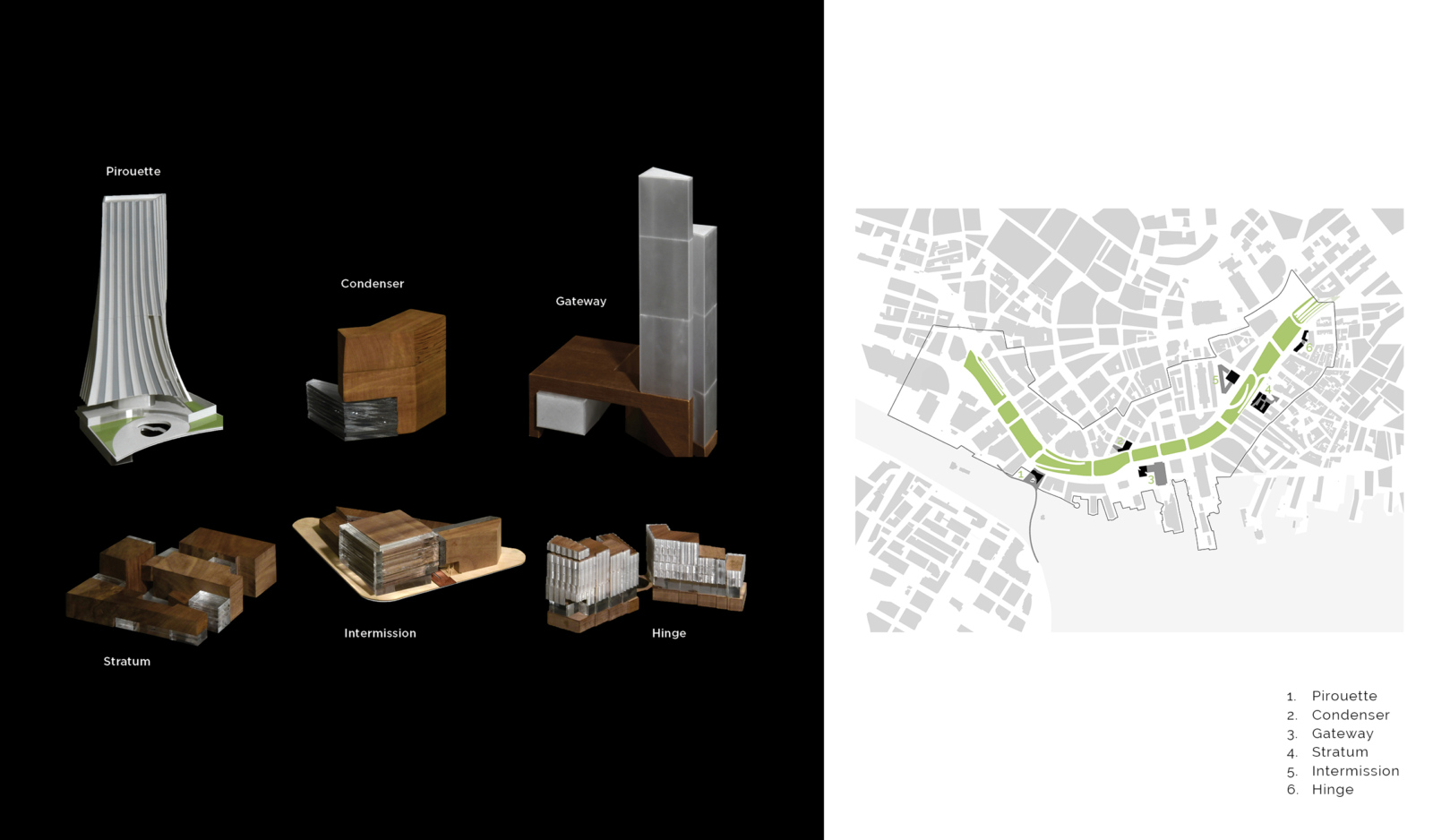
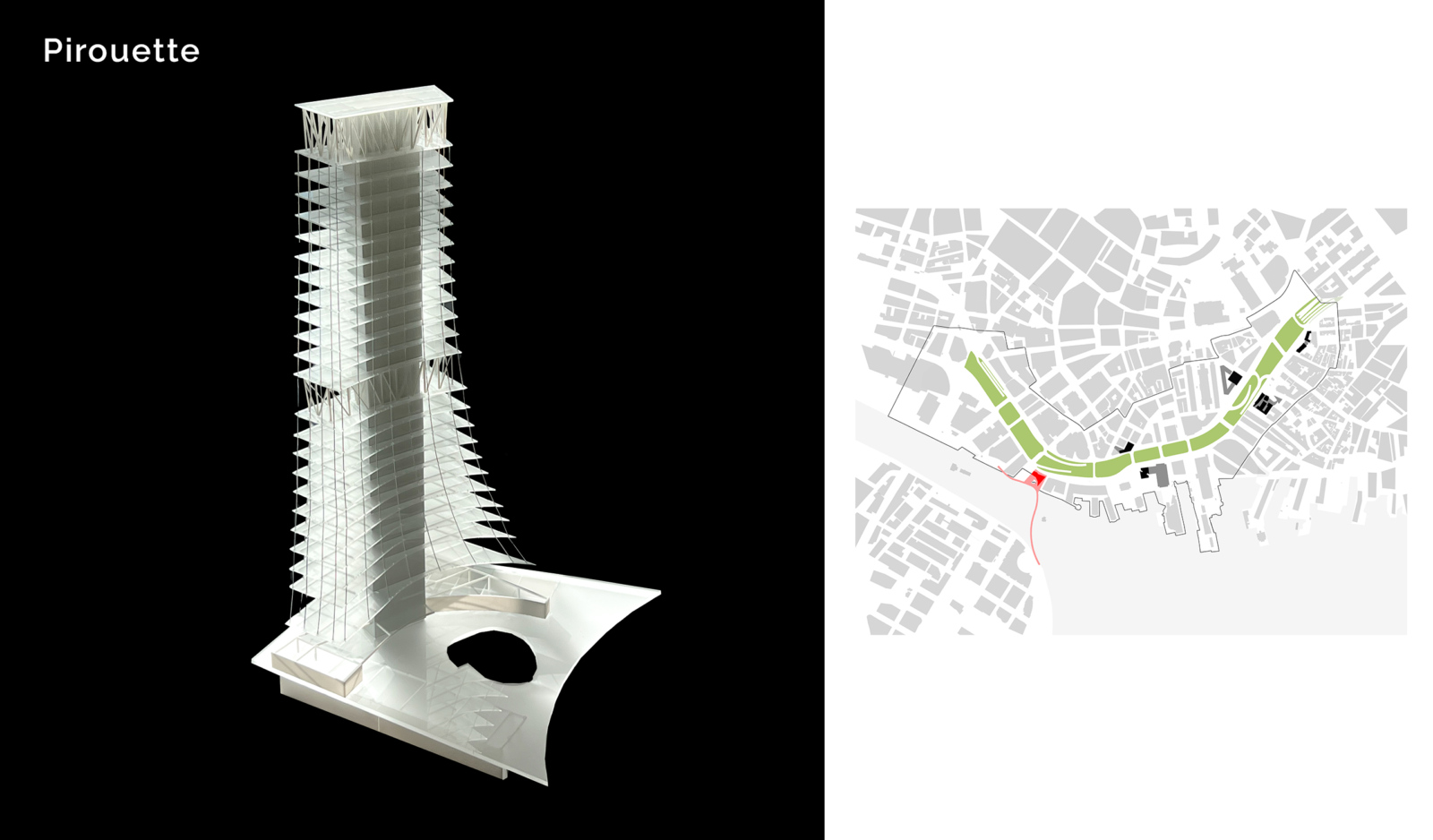
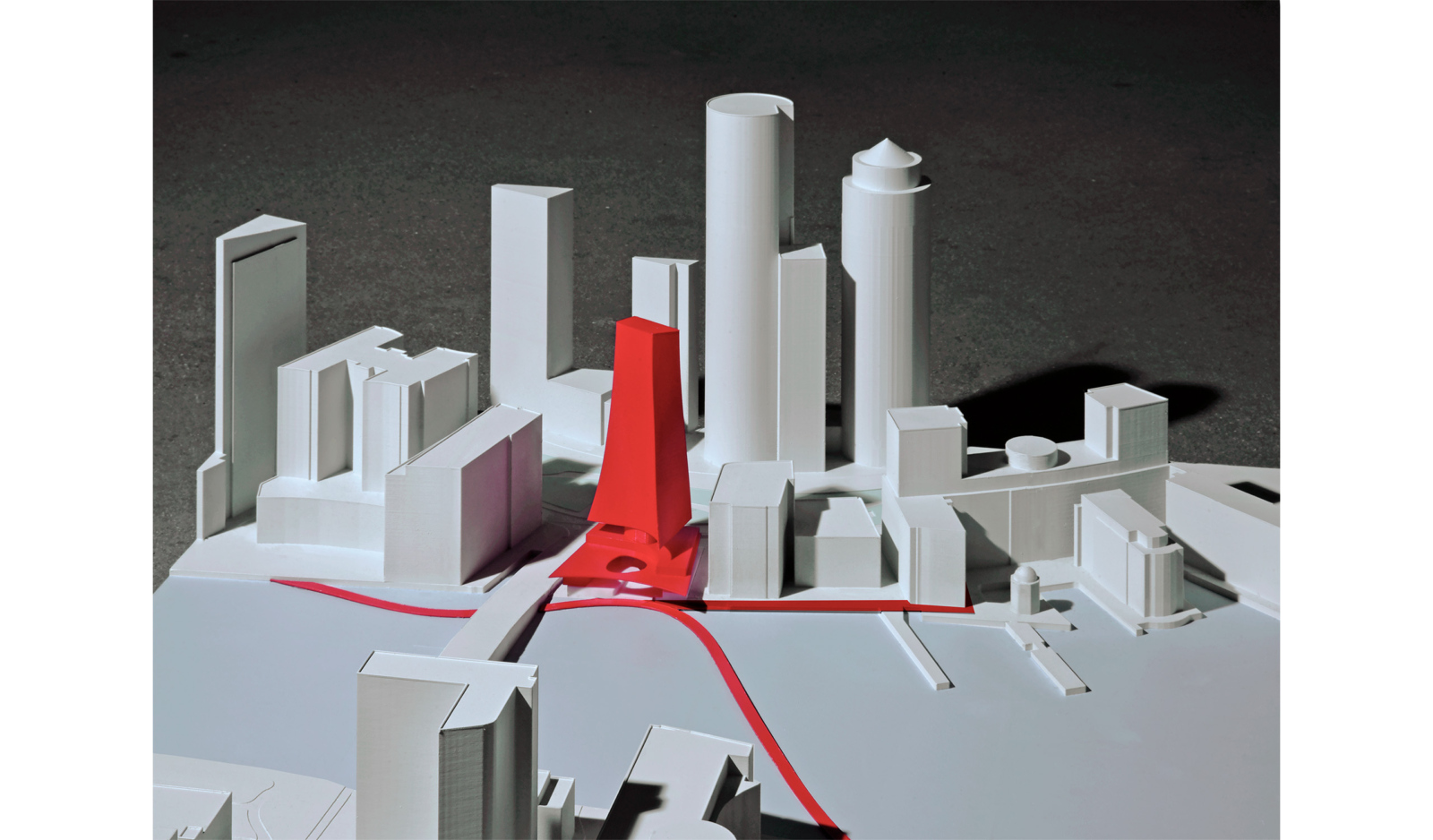
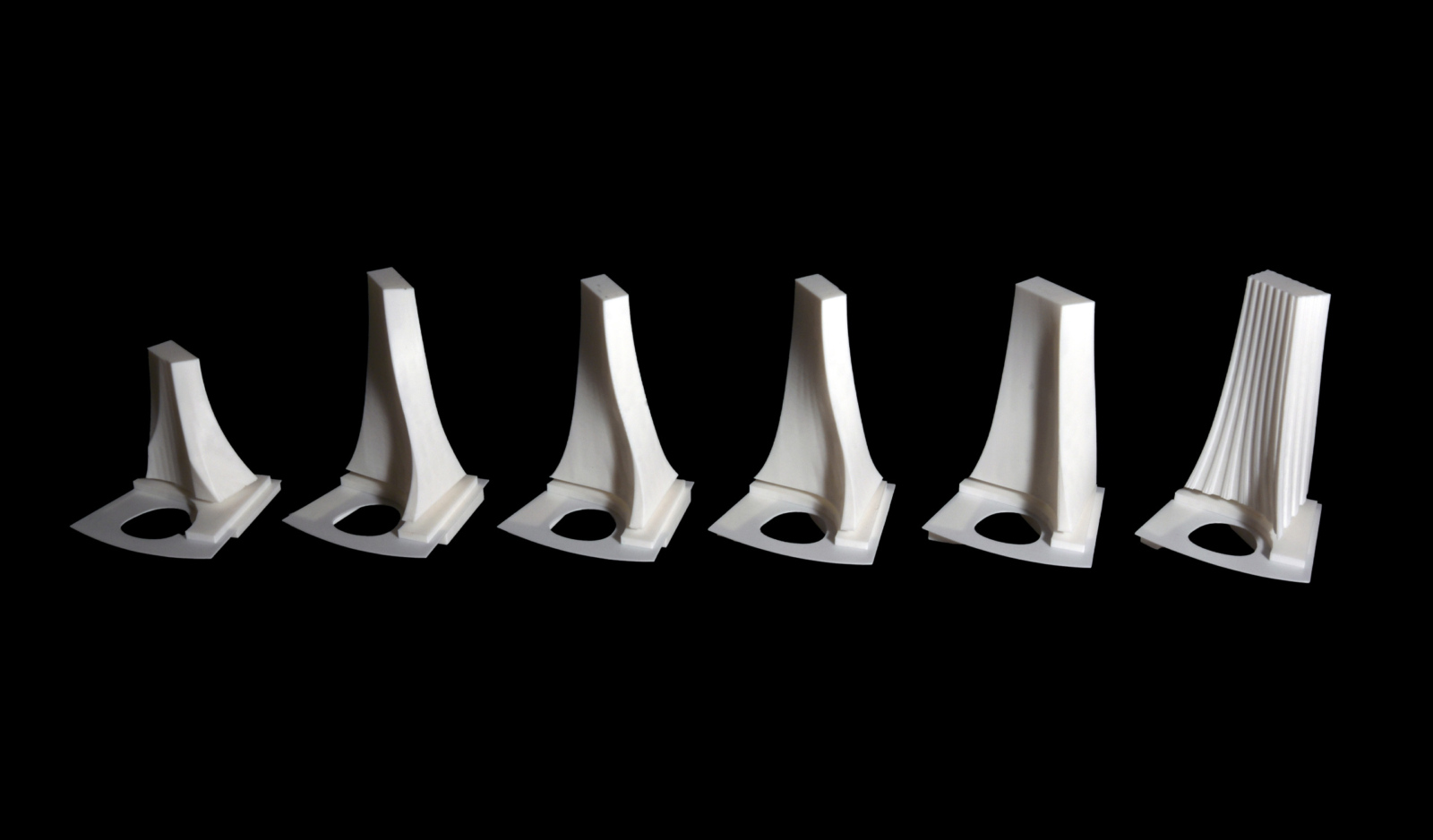
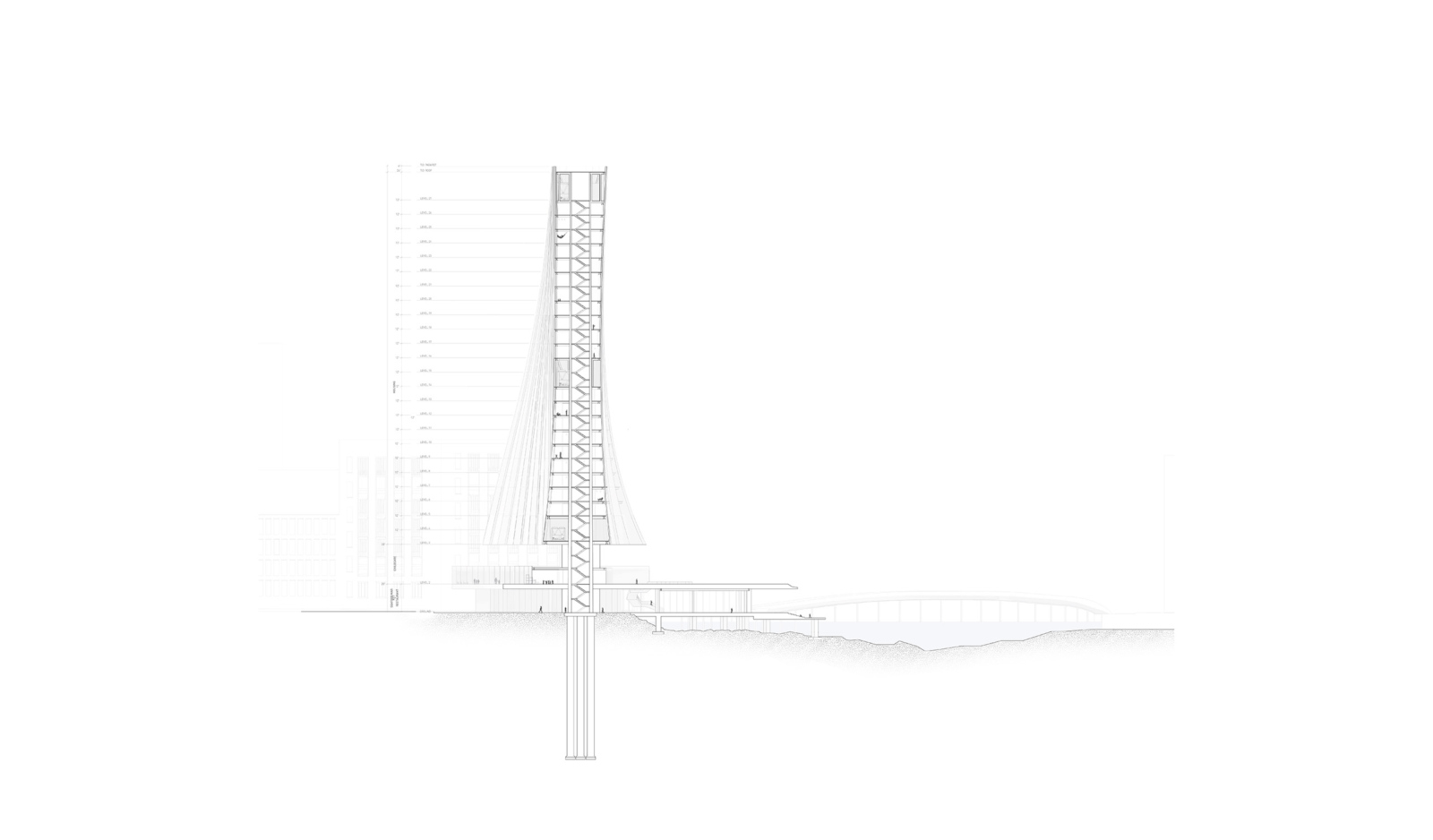
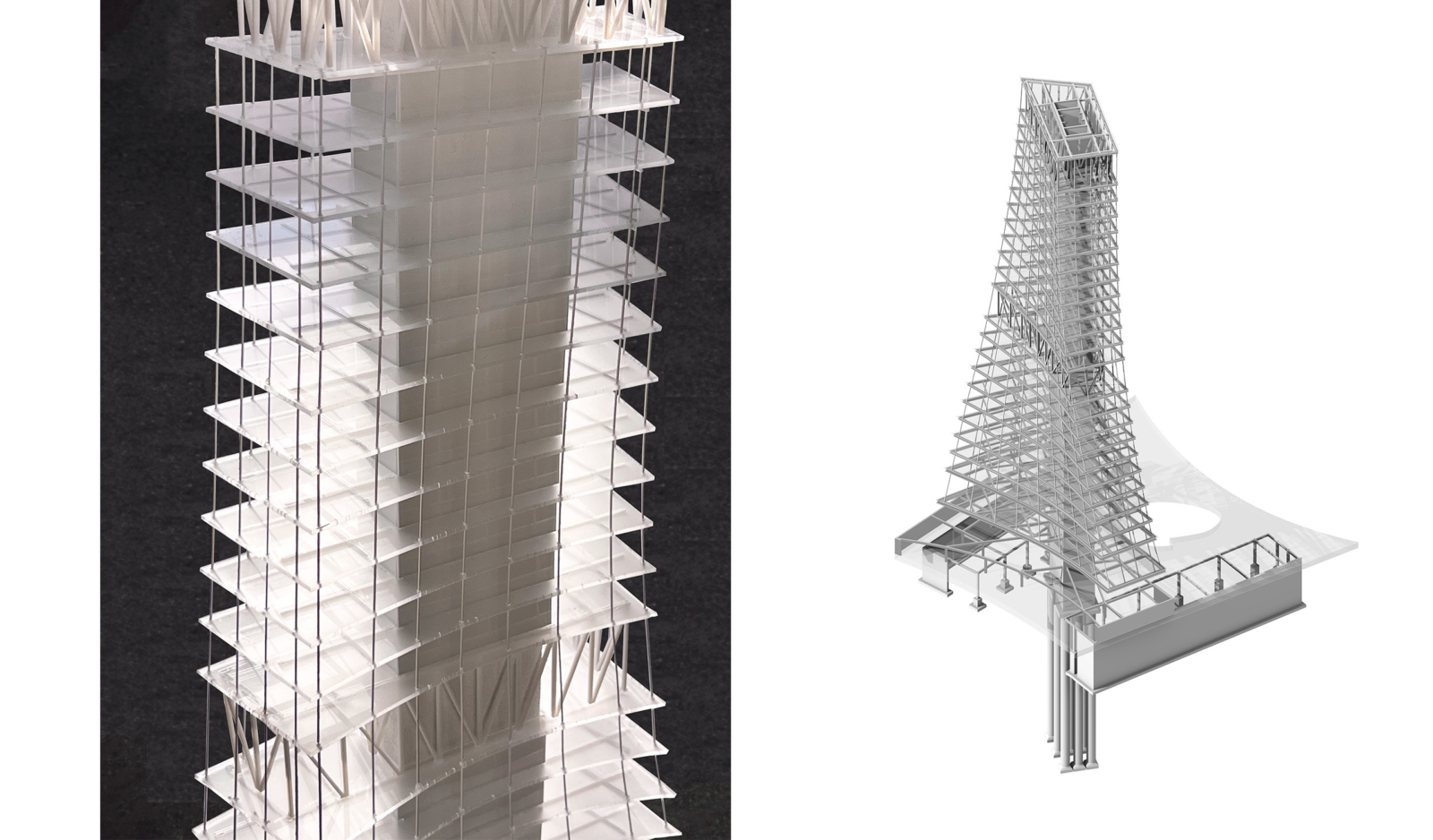
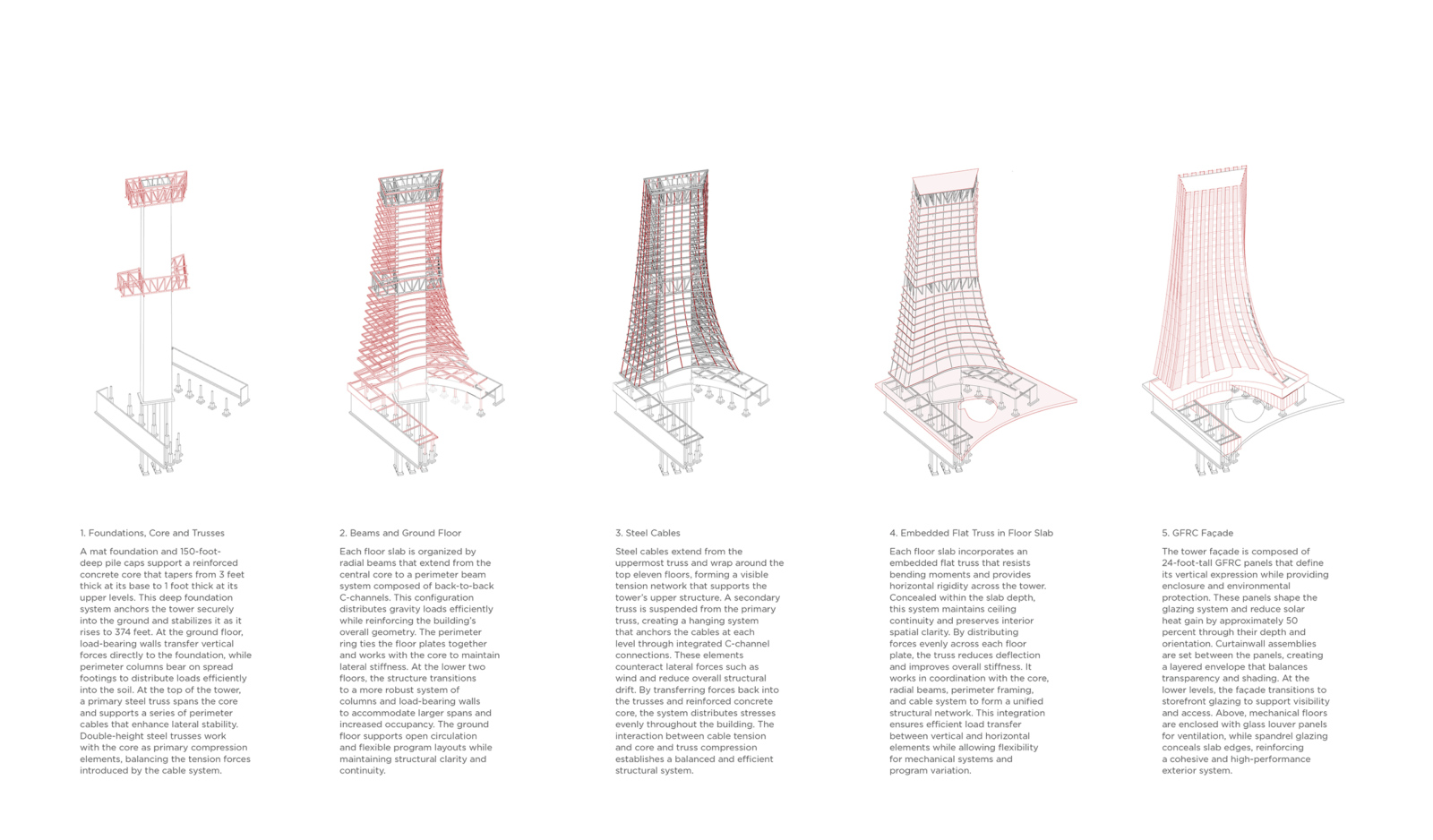

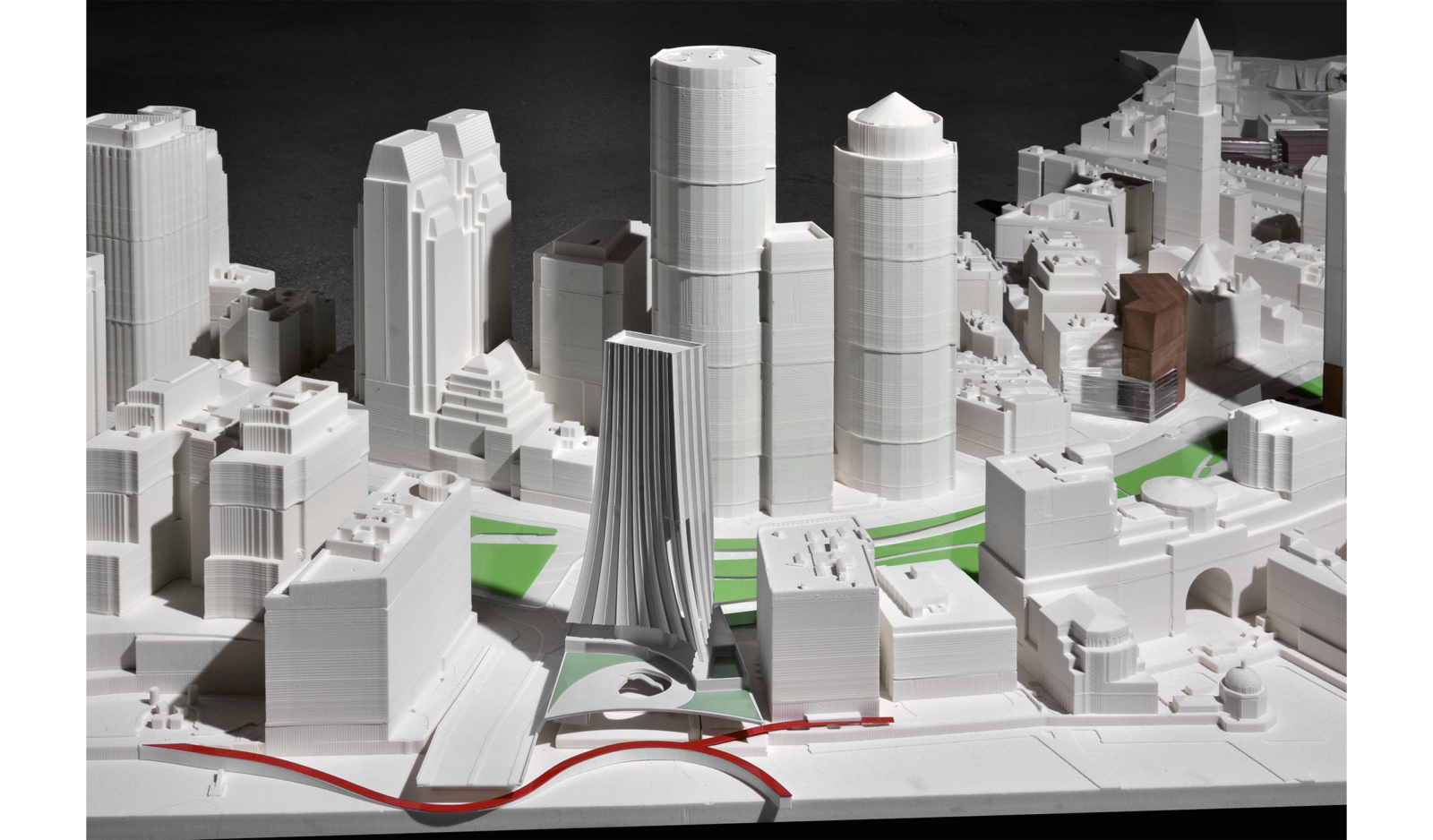
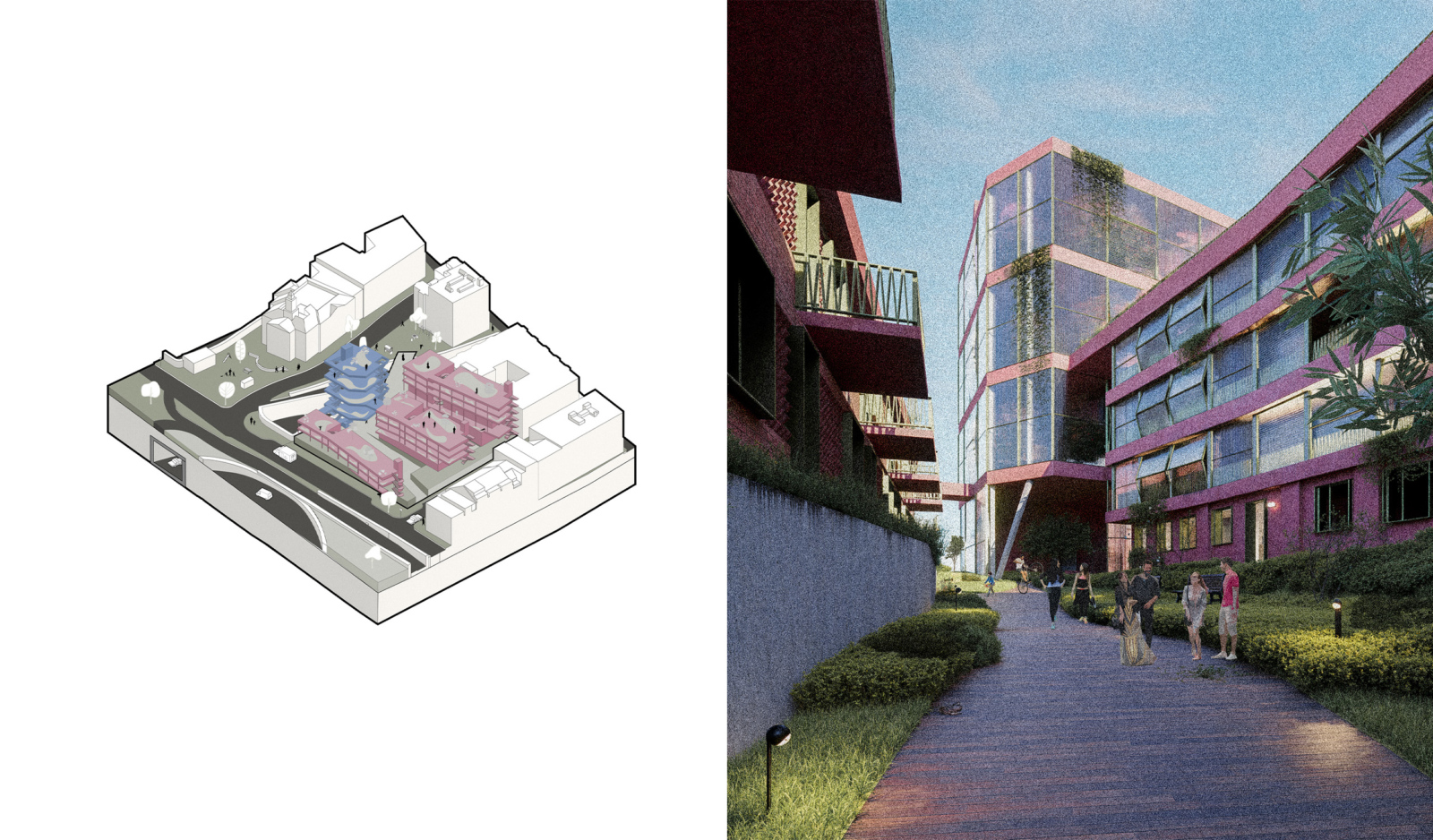
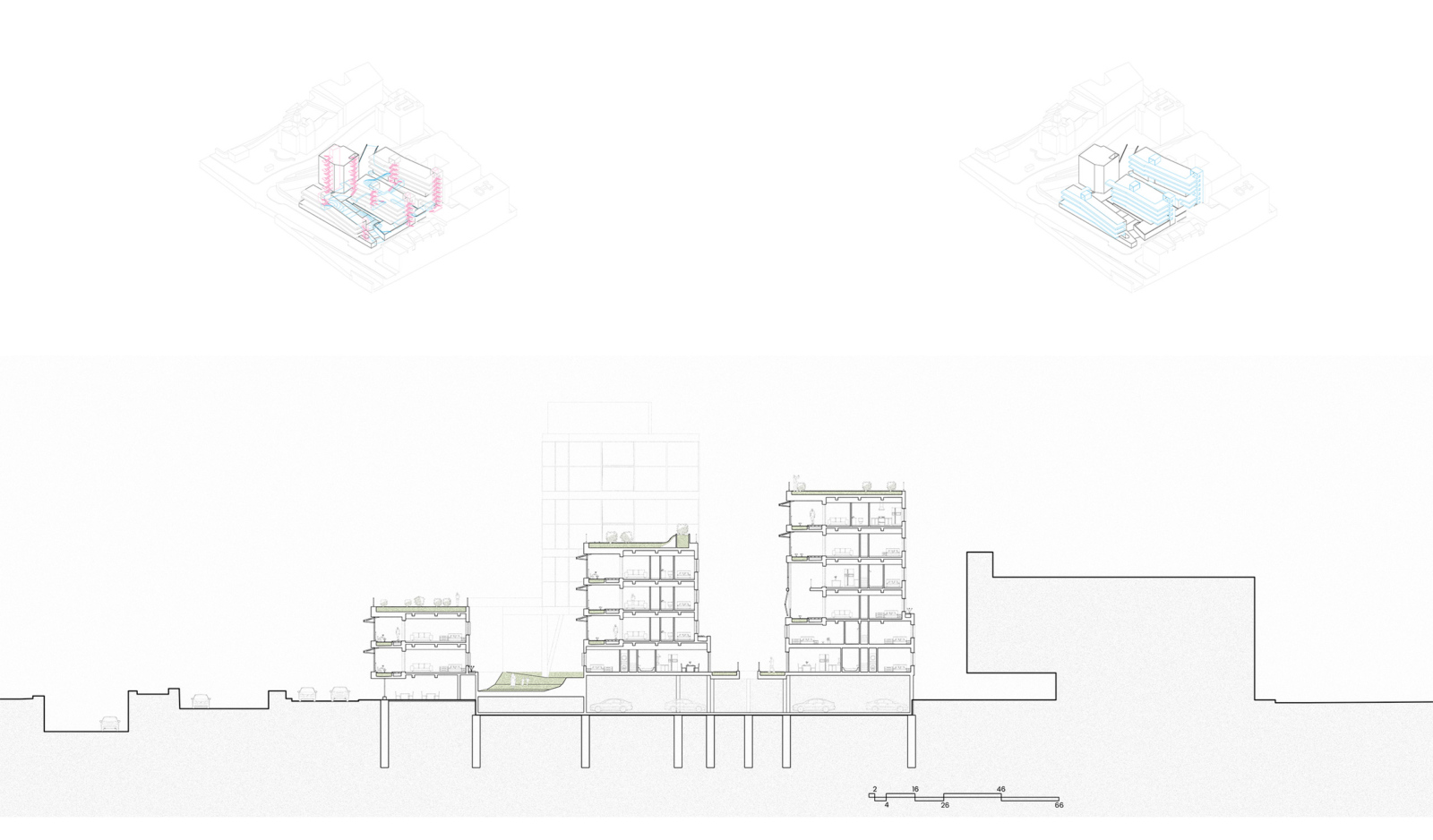
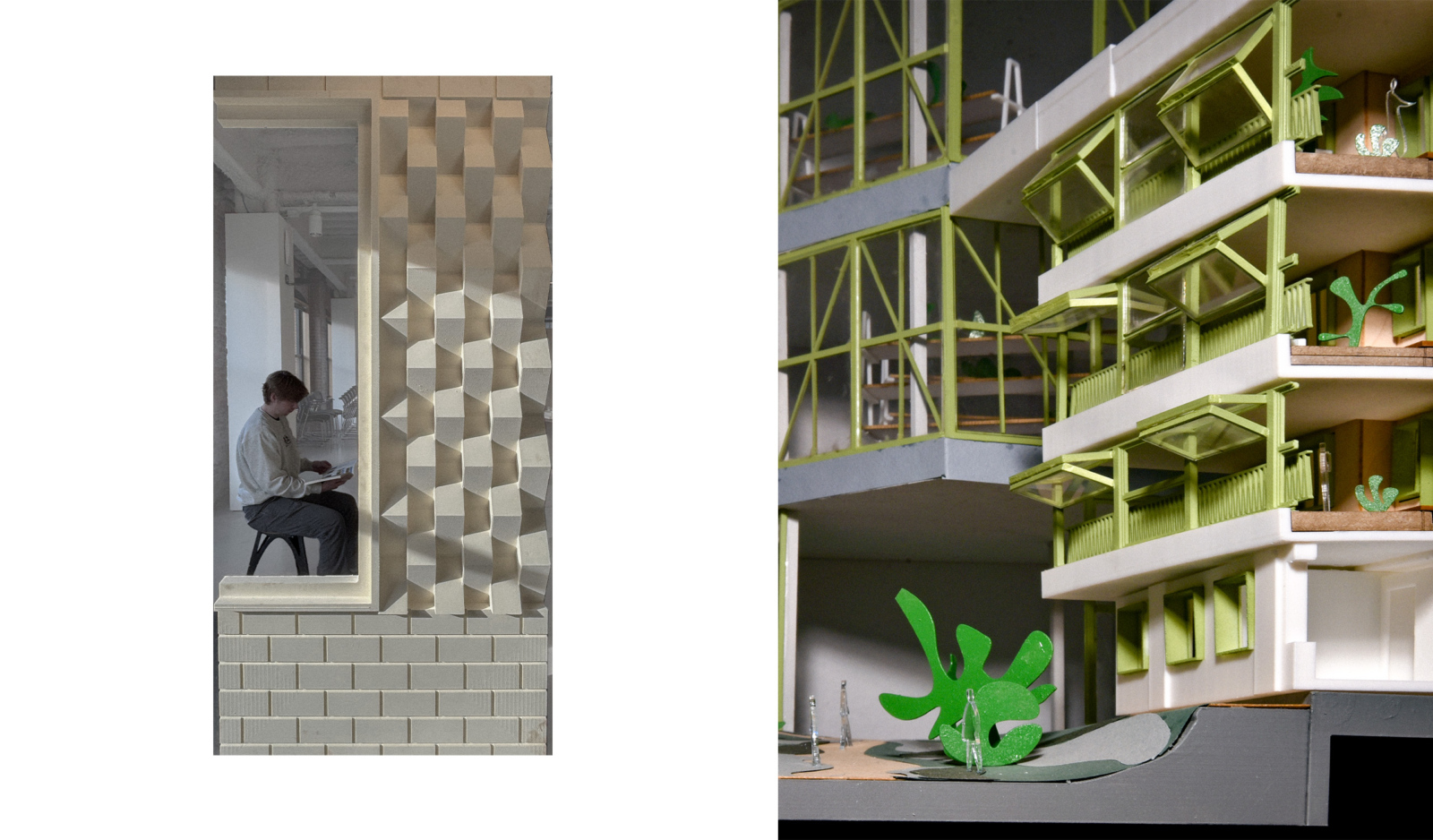
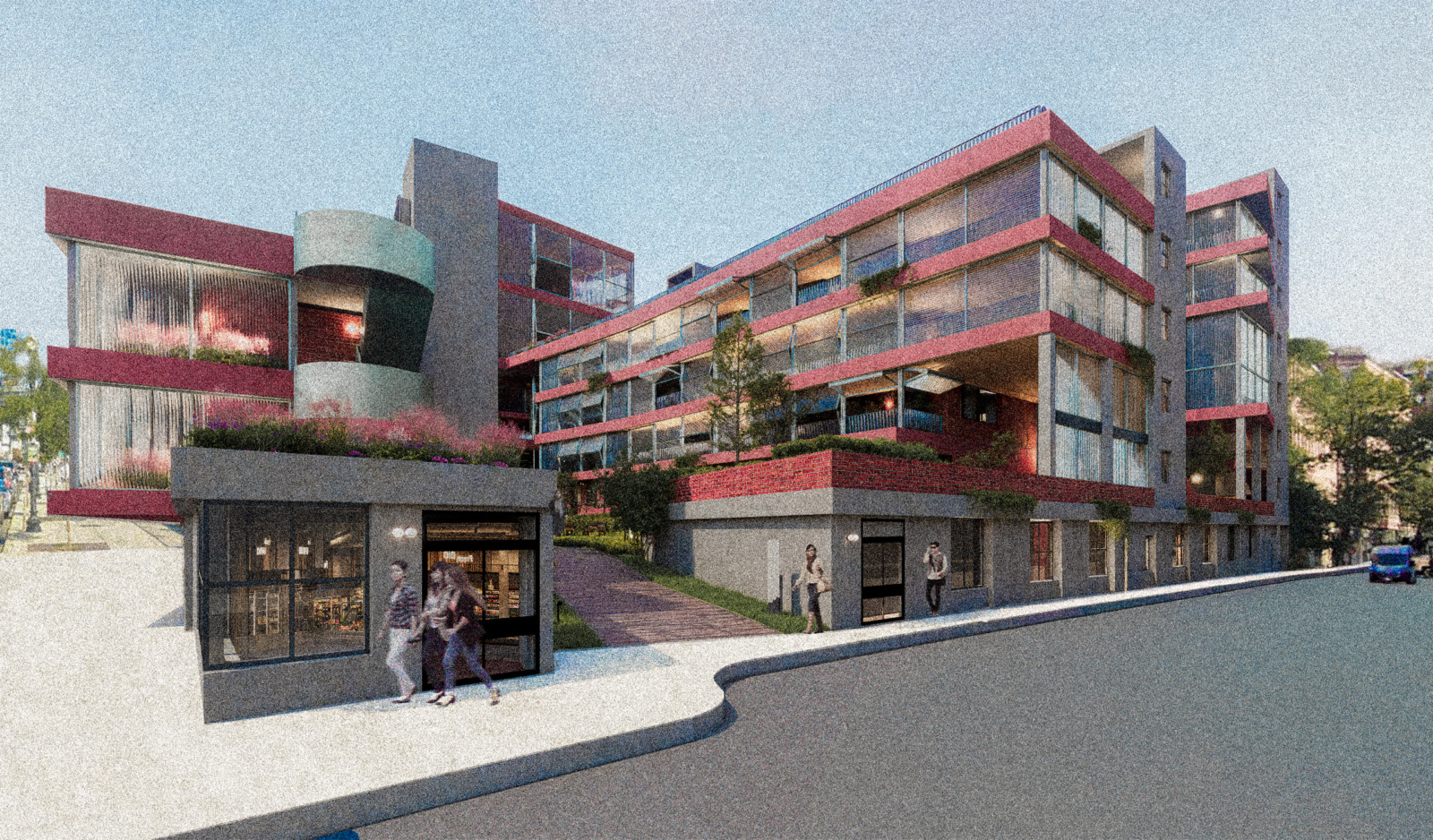
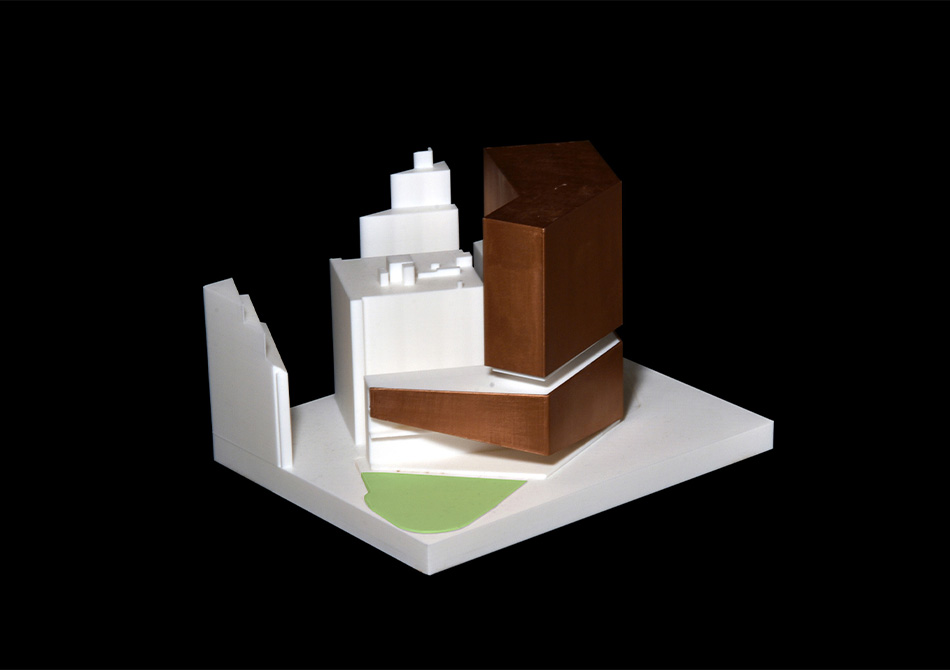
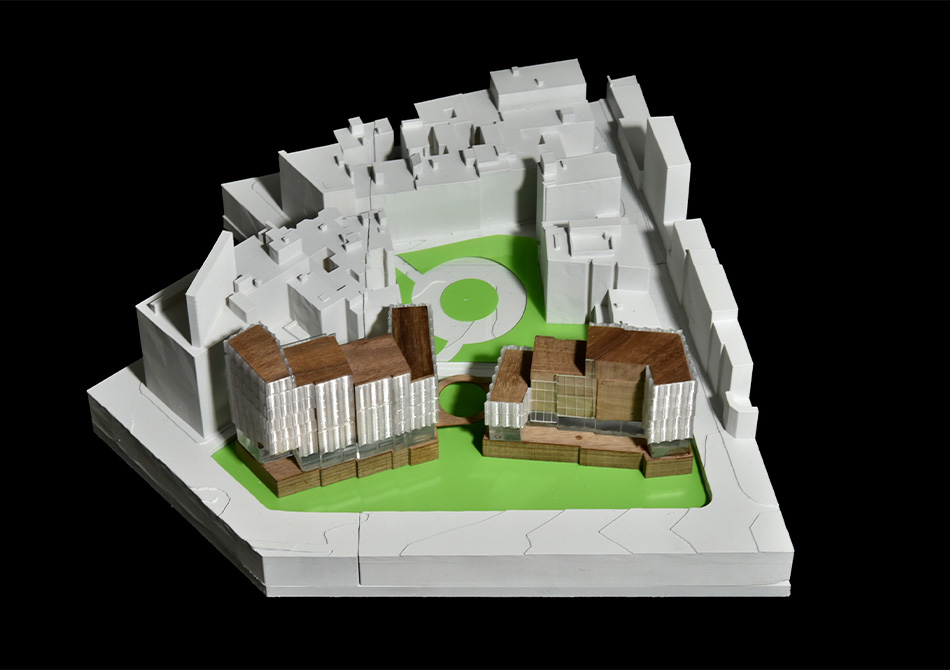
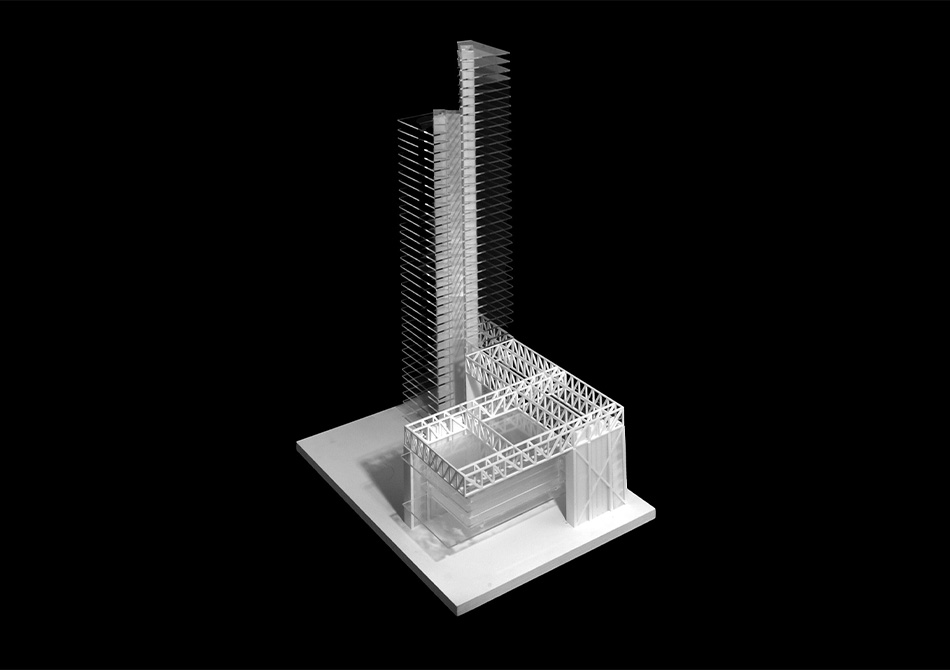
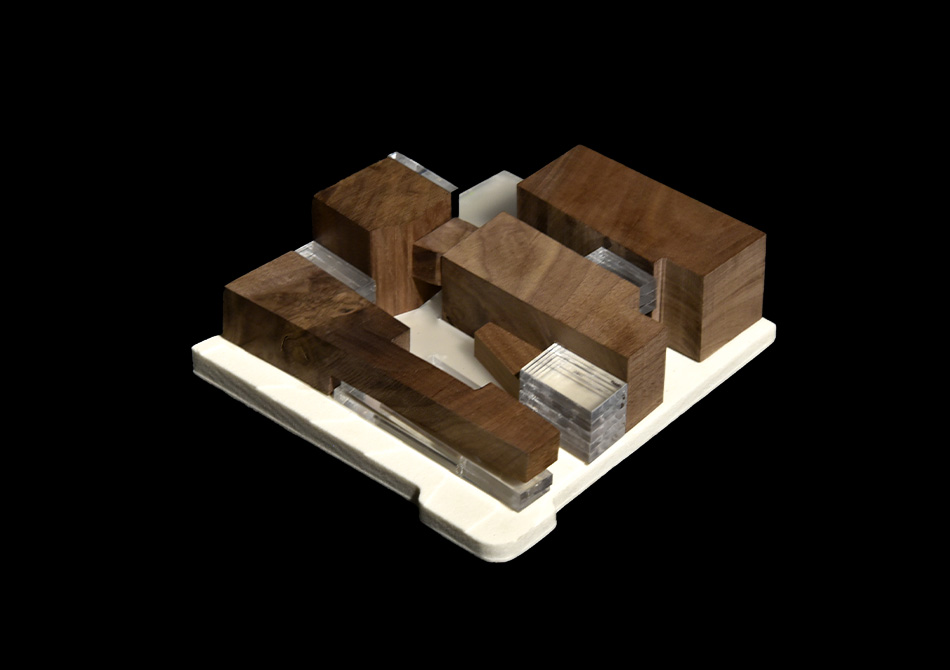
pirouette
Students: Anza Sellers, Ari Mccoy
intermission
Students: Bayliss Simon, Taylor Wypyski
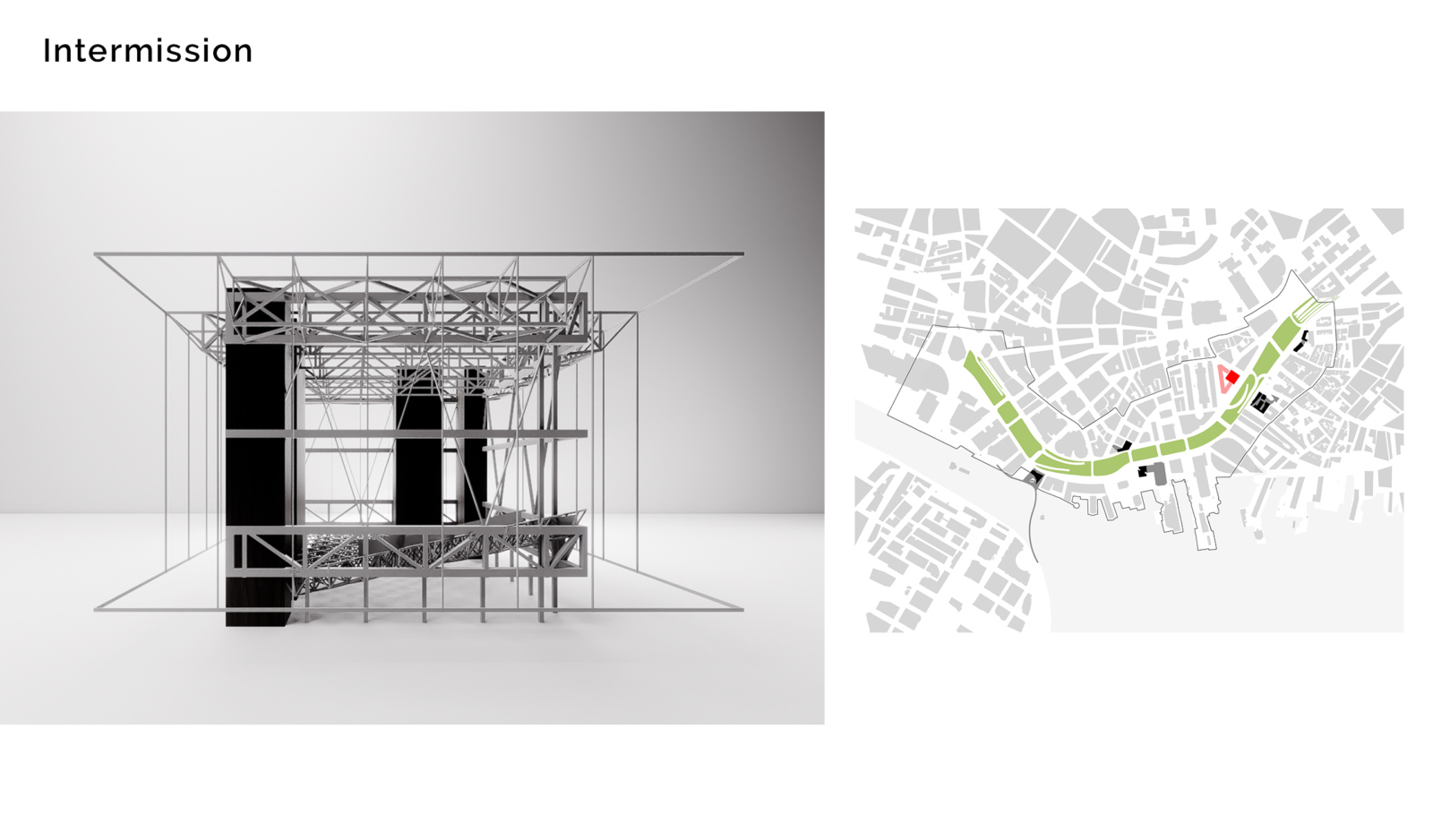
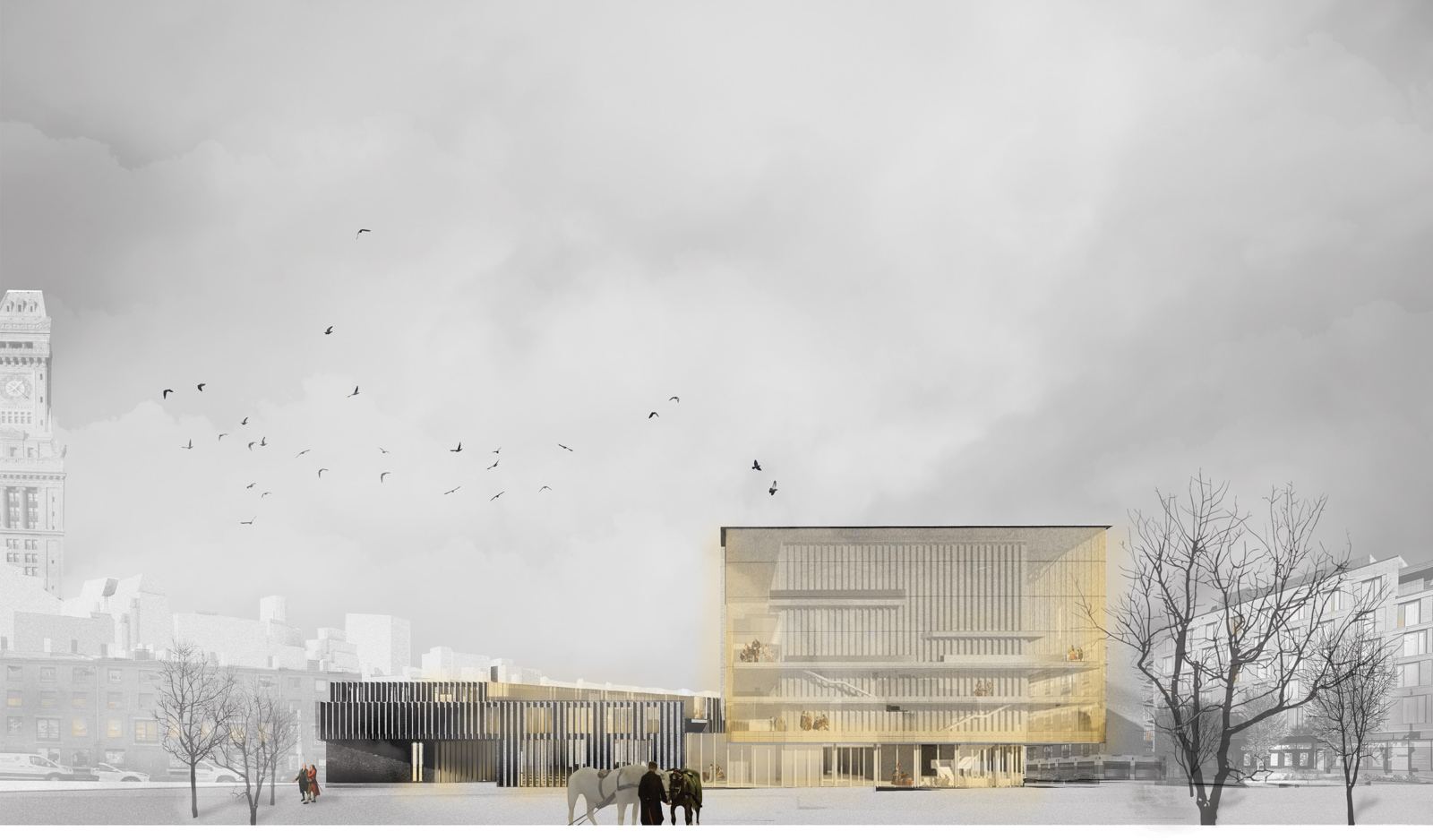
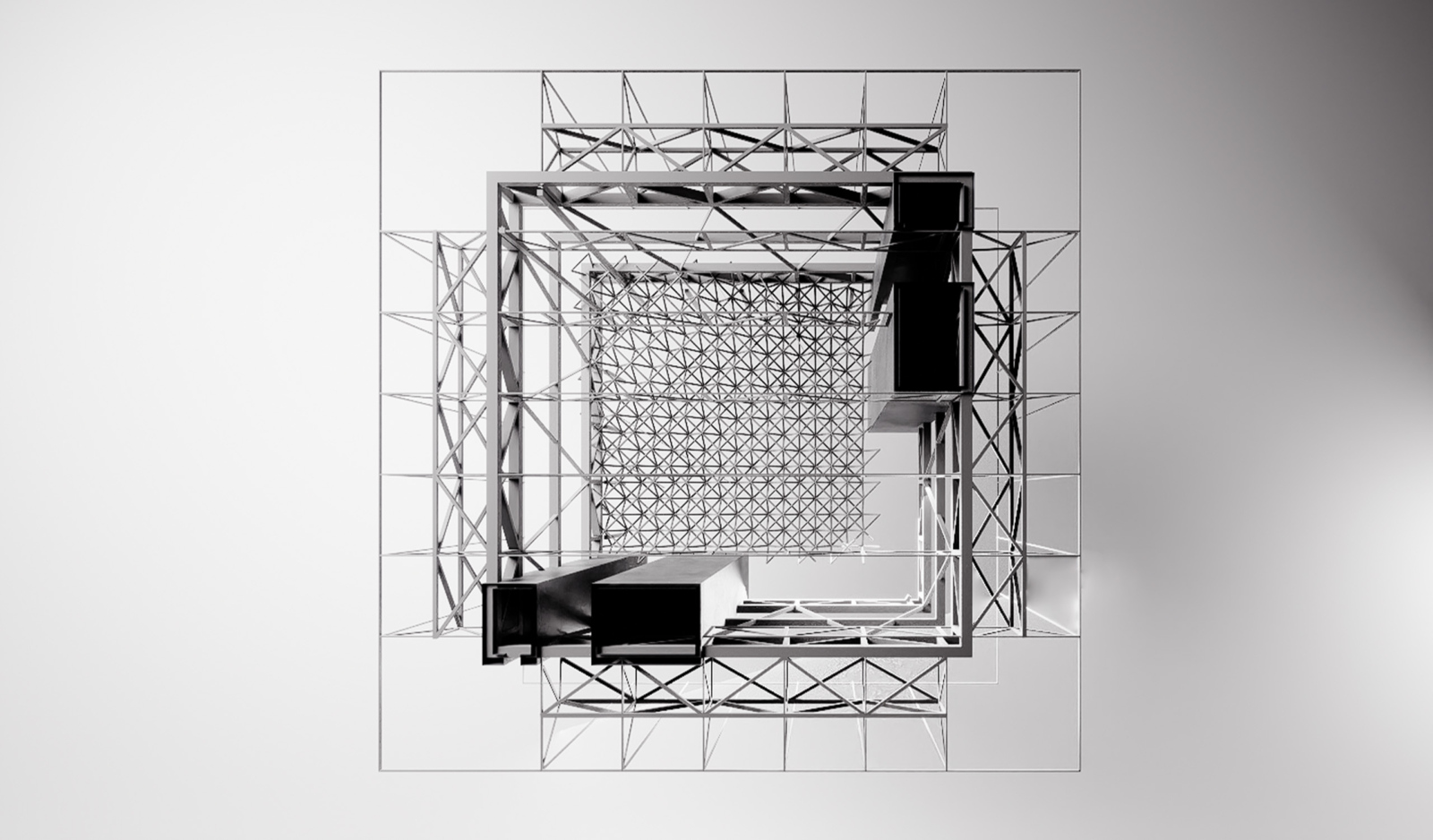
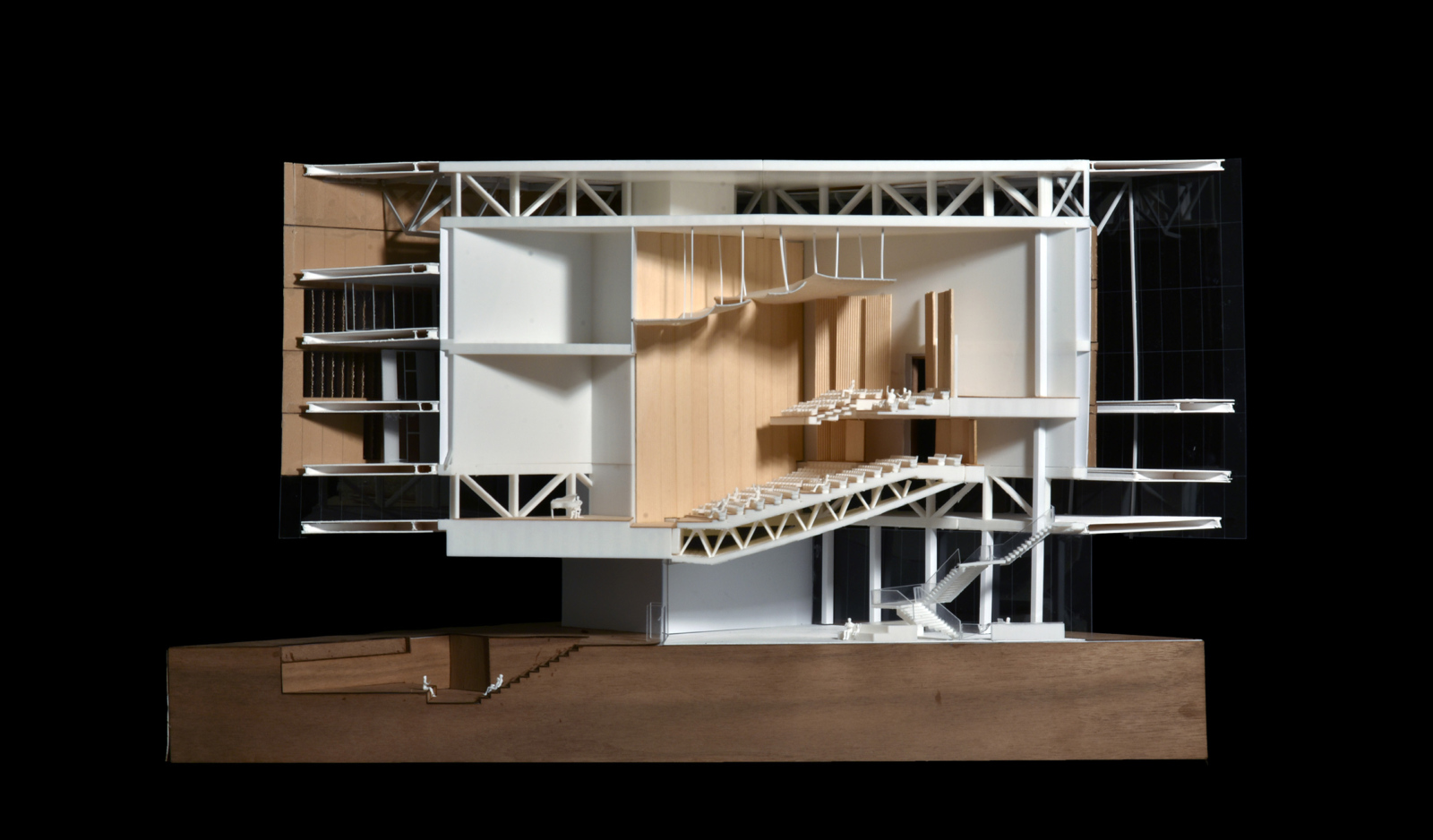
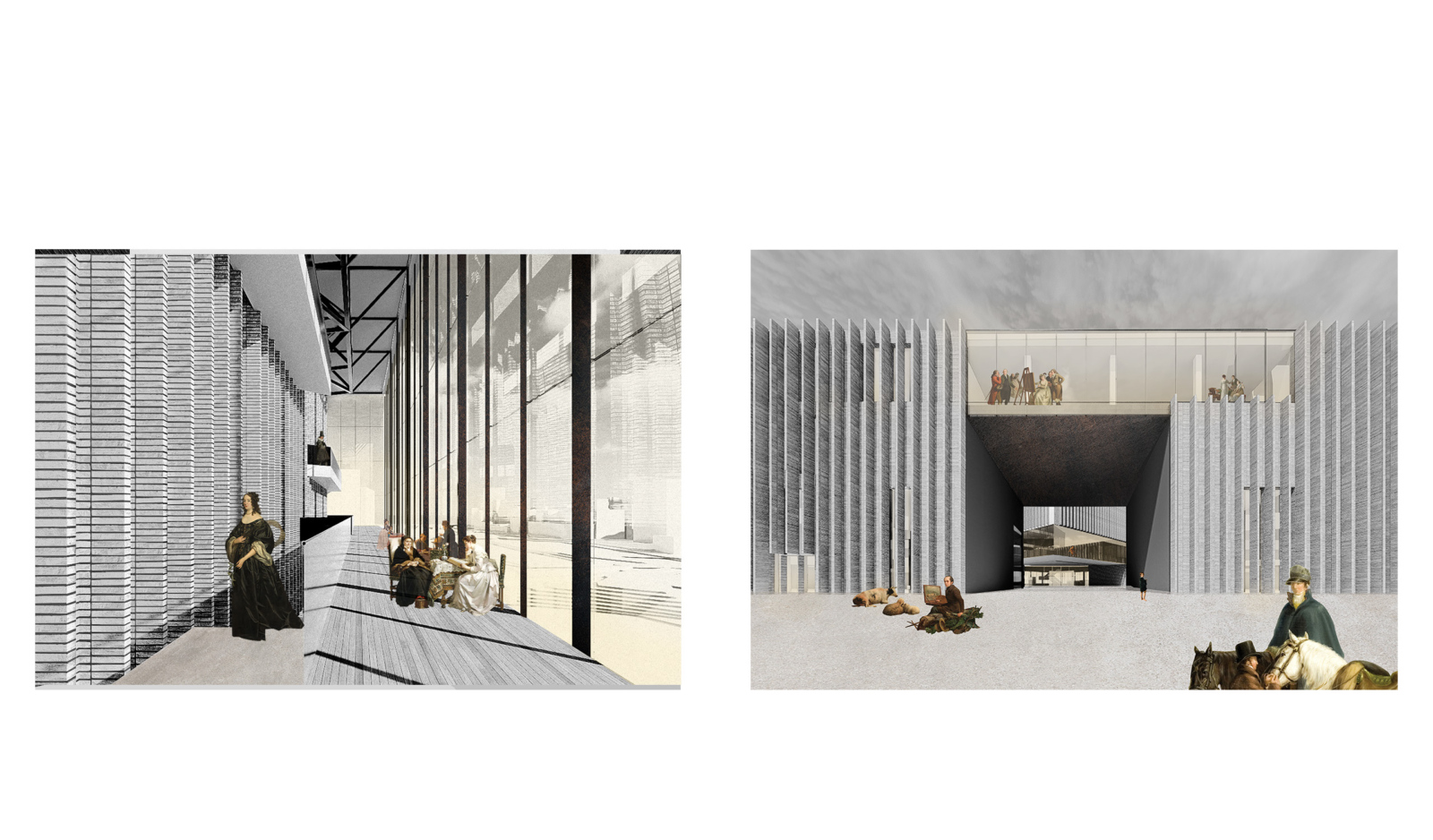
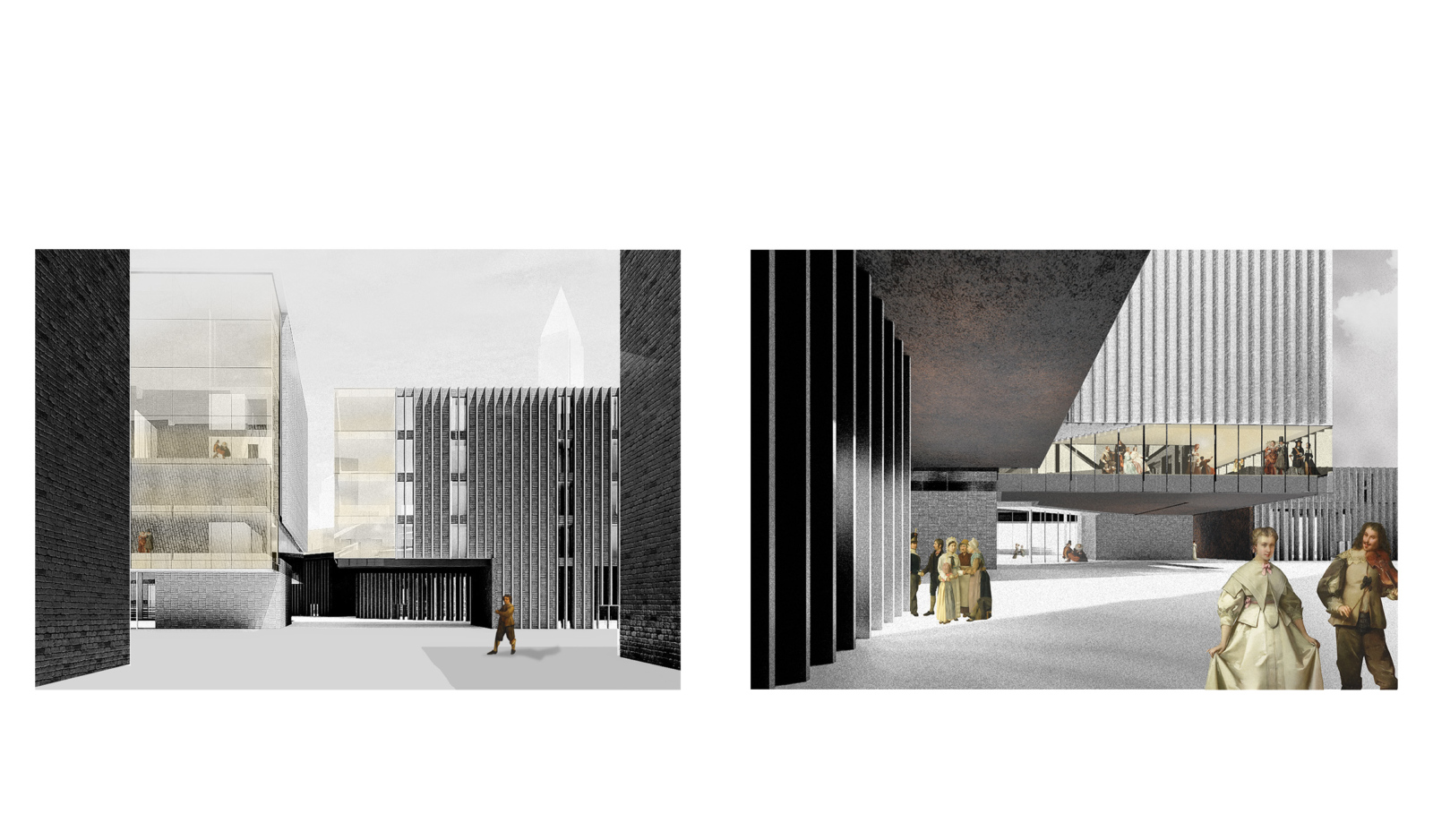
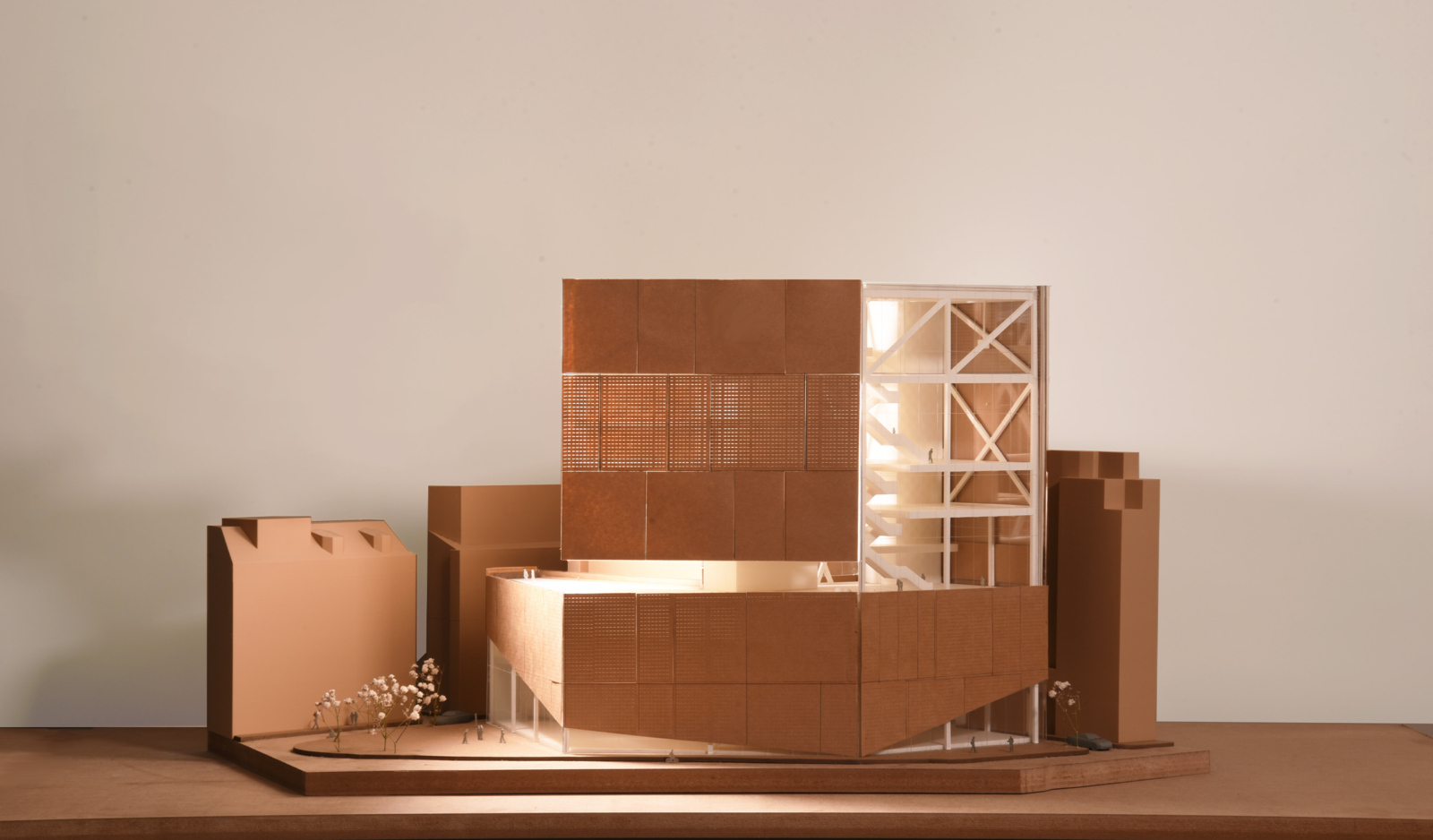
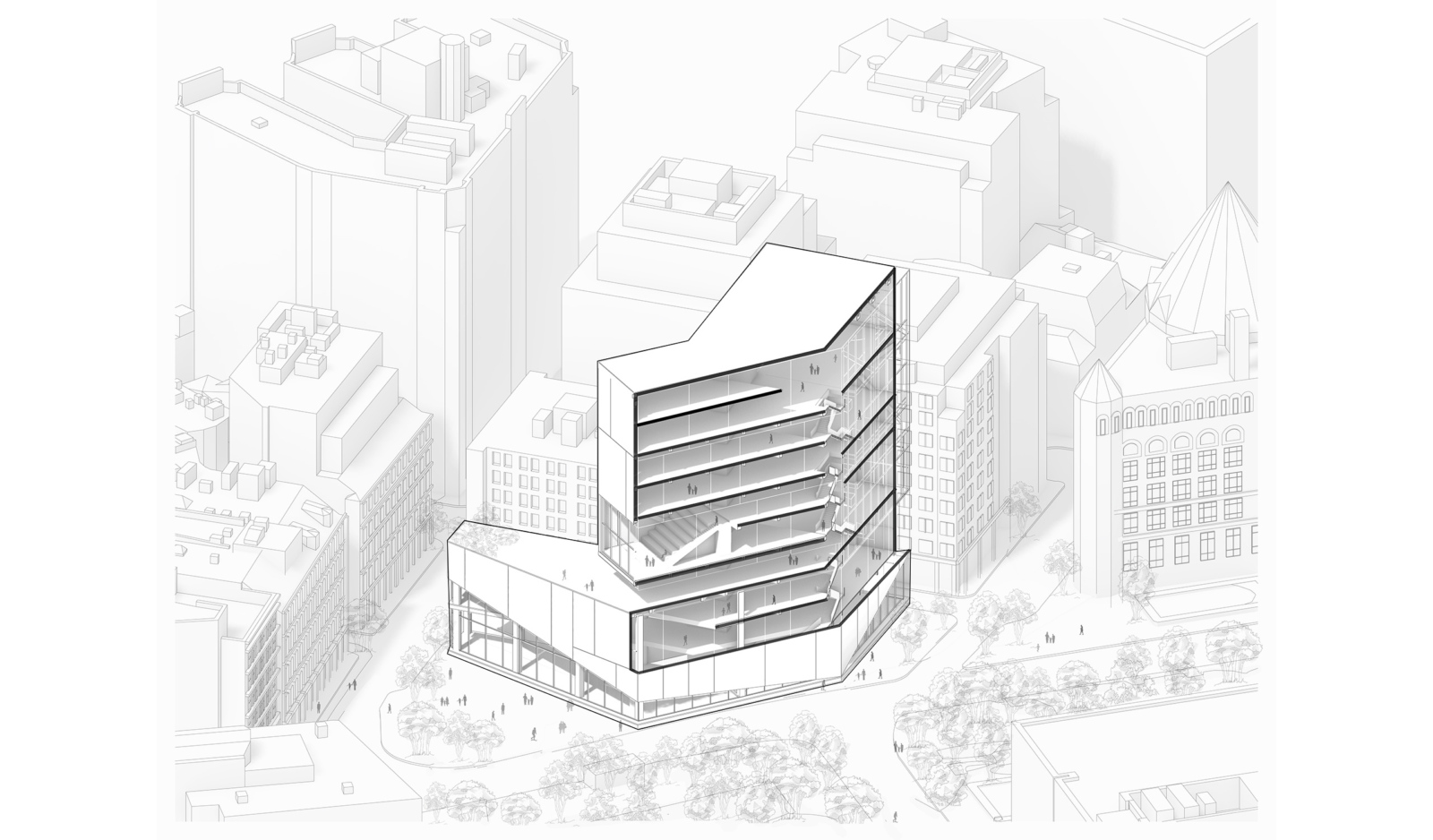
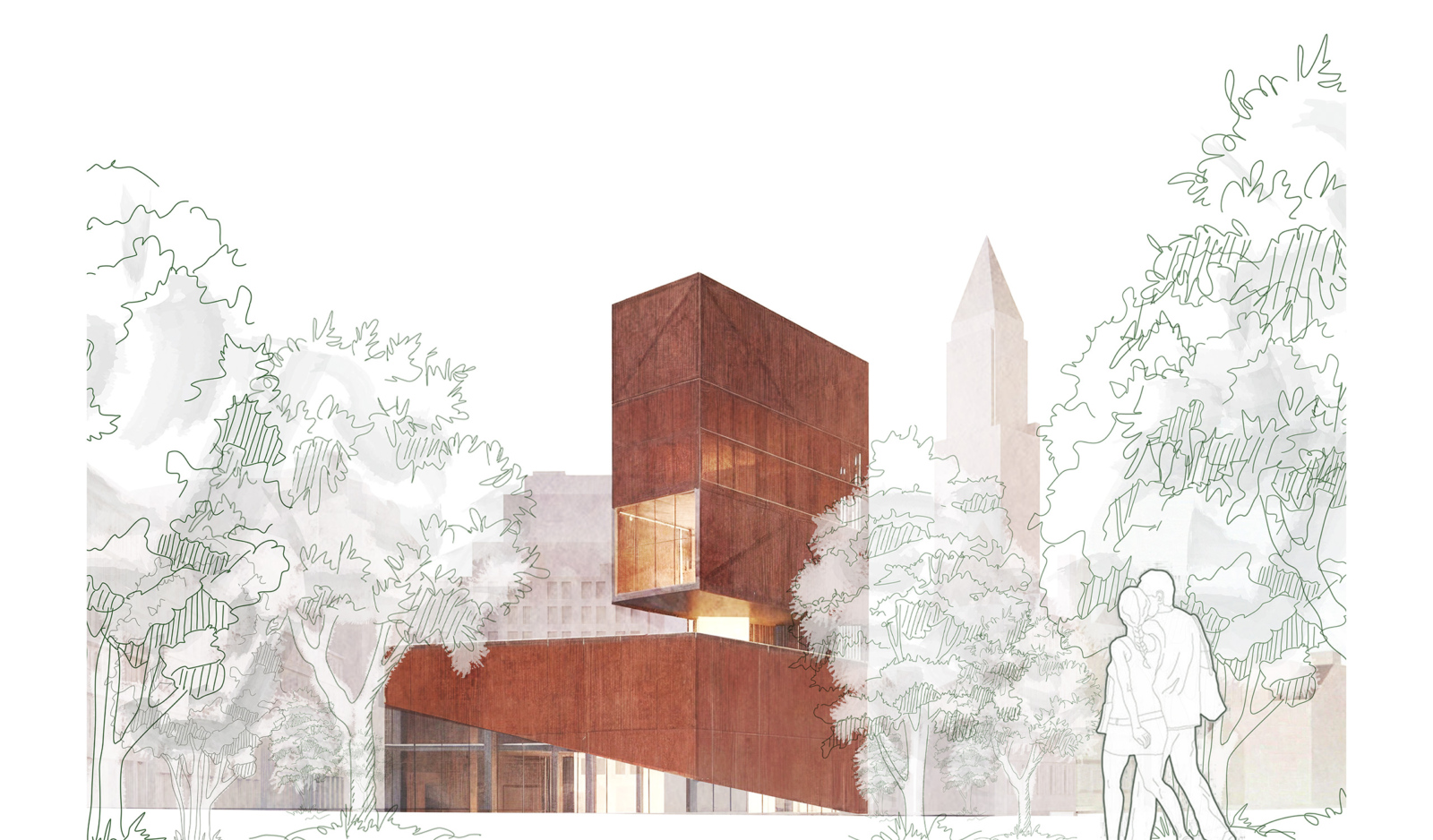
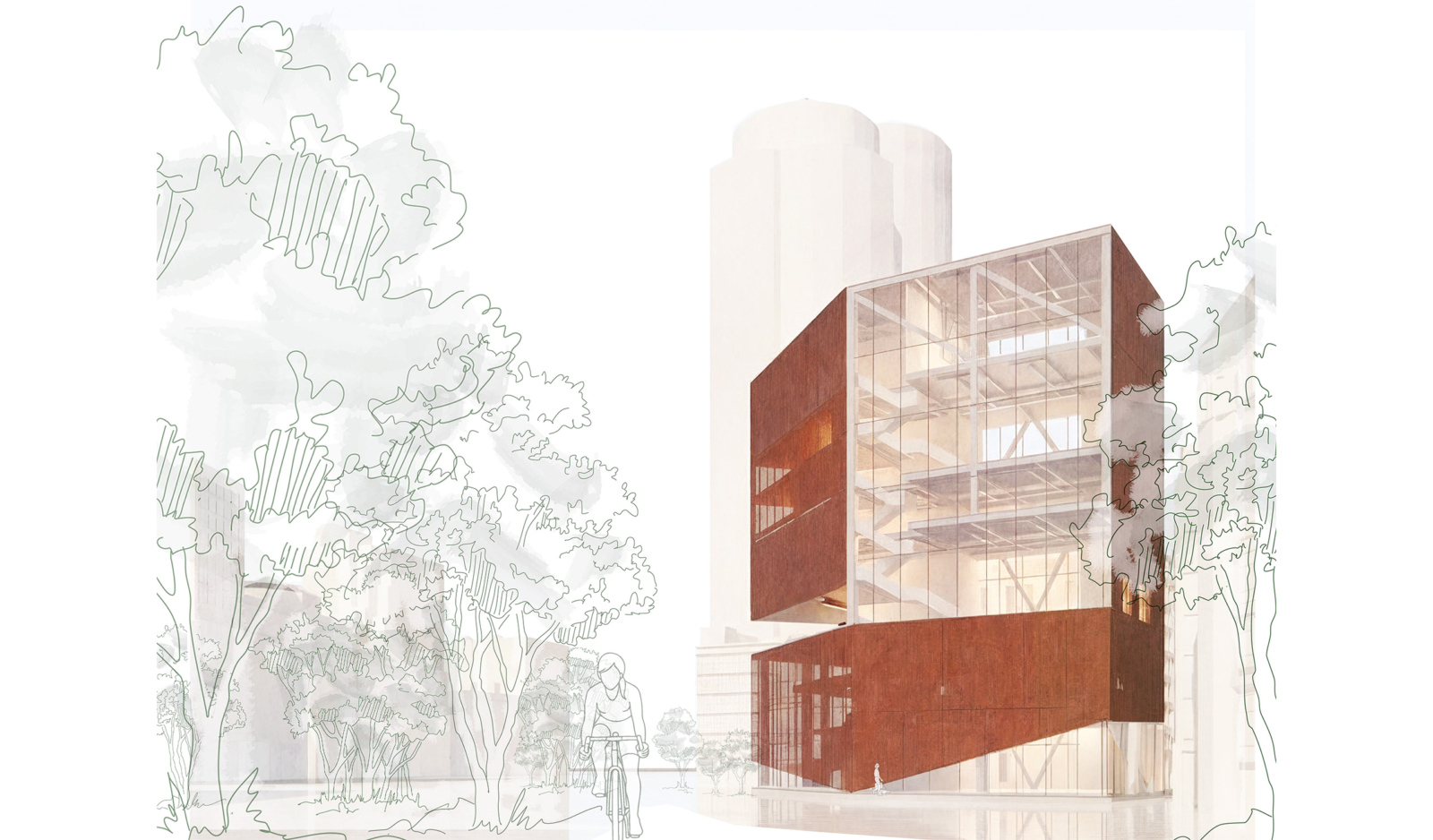
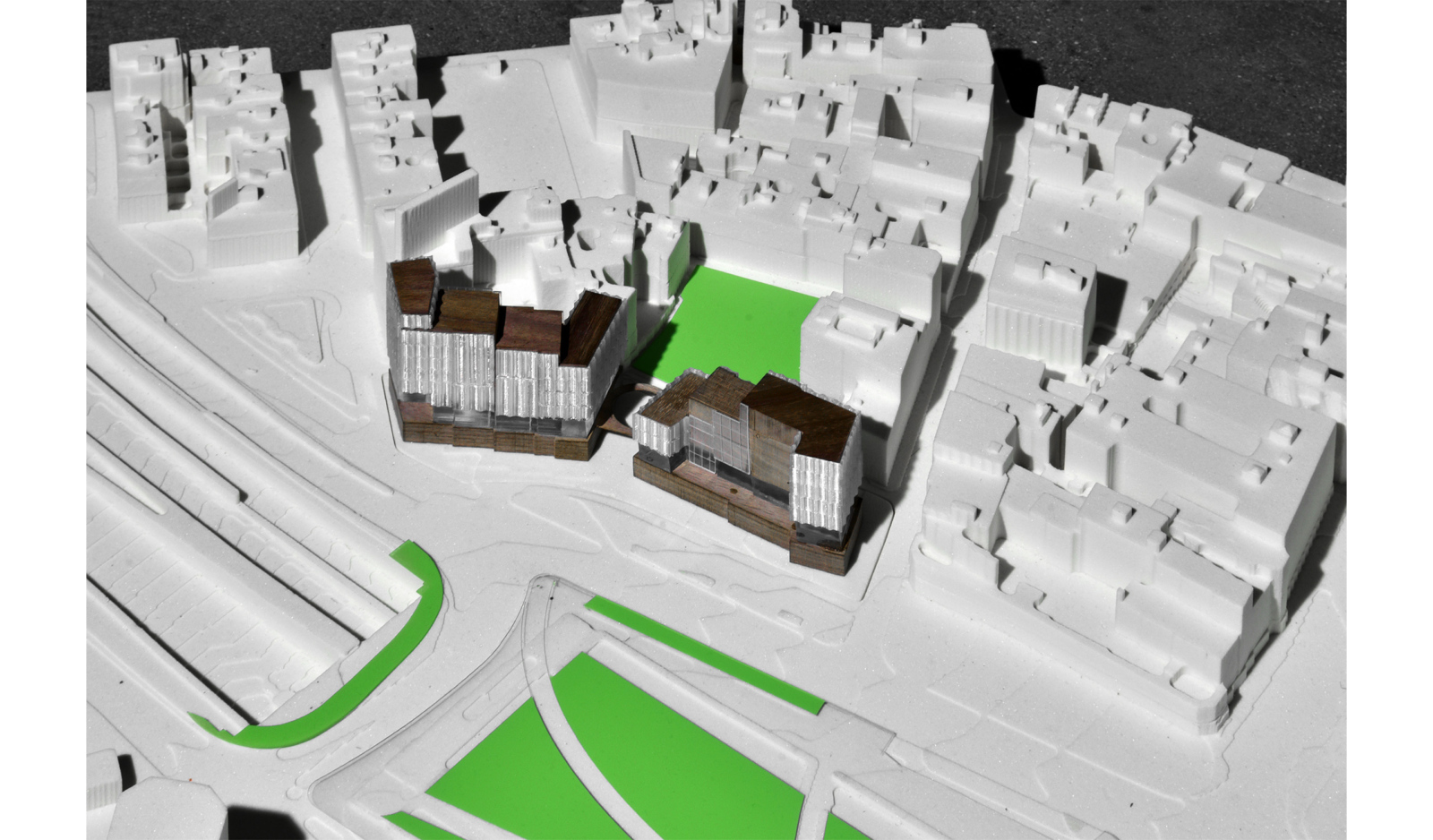
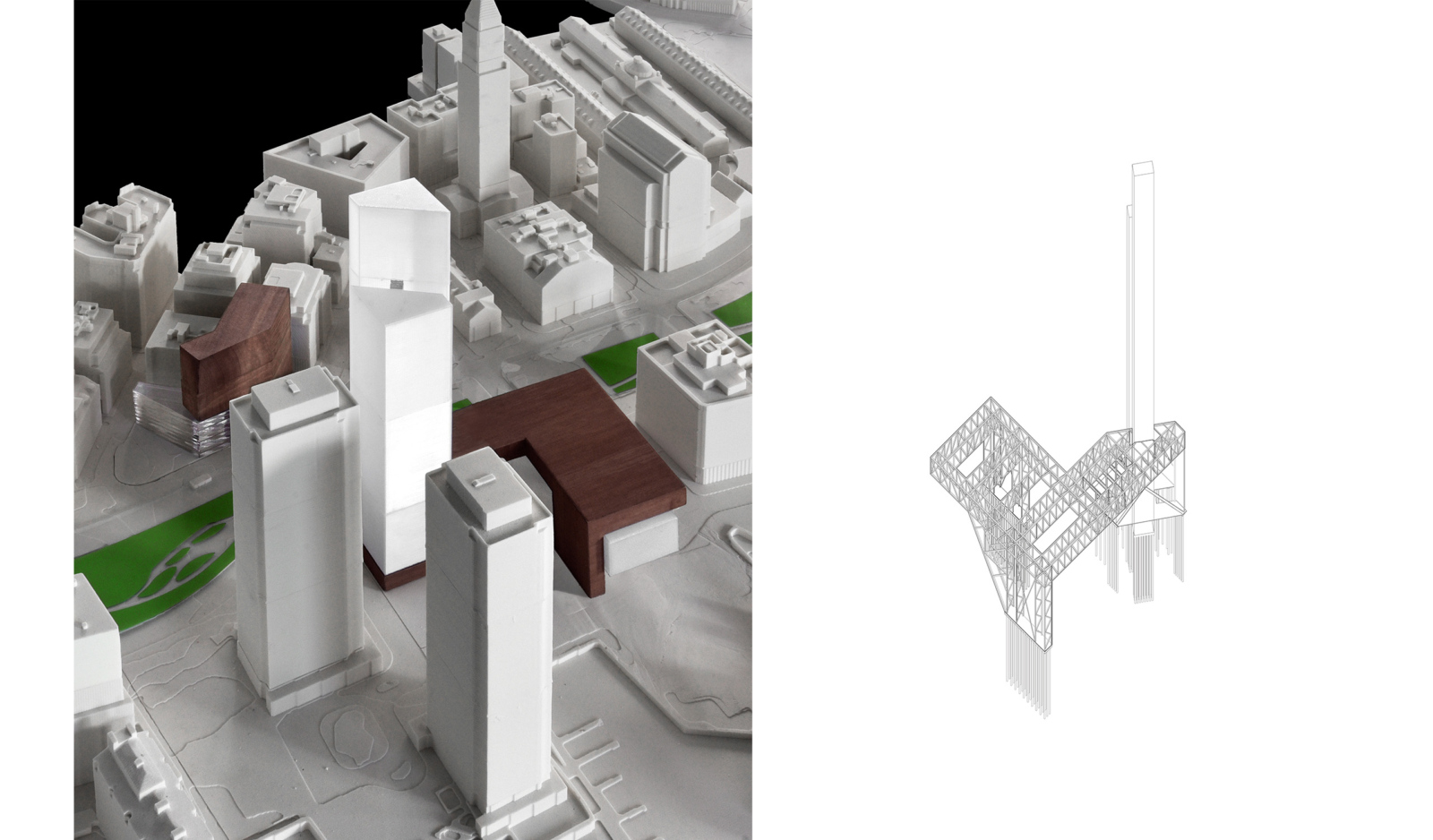
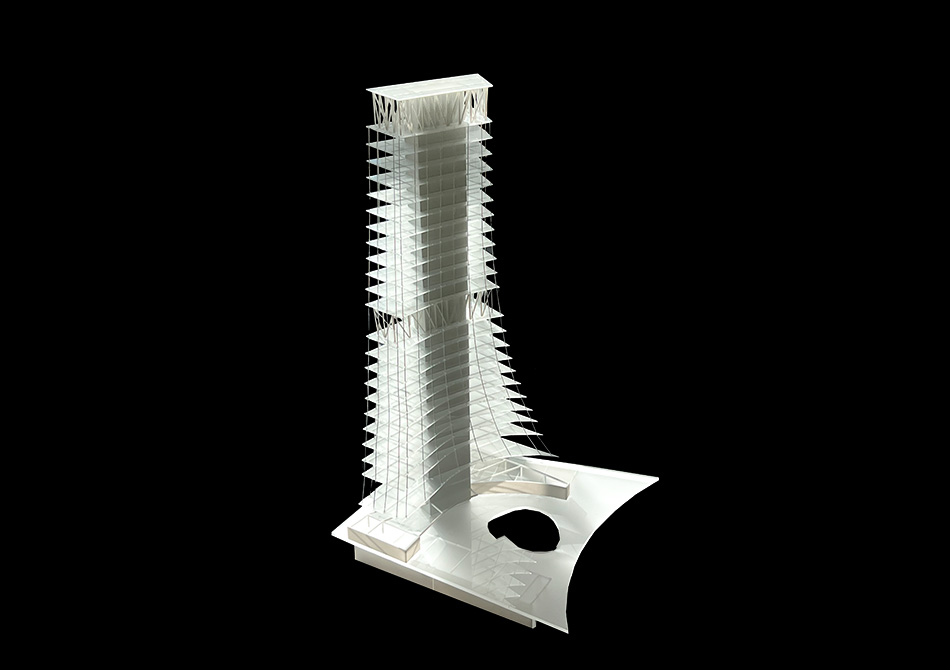
INTERMISSION is a mixed-use performing arts and residential complex along the Rose Kennedy Greenway that transforms a fragmented edge into a civic suture. A porous cultural district is anchored by a Performing Arts Center, organizing theater, exhibition, and housing within a vertically integrated ensemble structured by a public promenade and atrium. A belt-truss-supported core is wrapped by a lighter suspended frame, mediating between performance and civic space.
Condenser
Students: Vrinda Goel, Nathan Wilcher
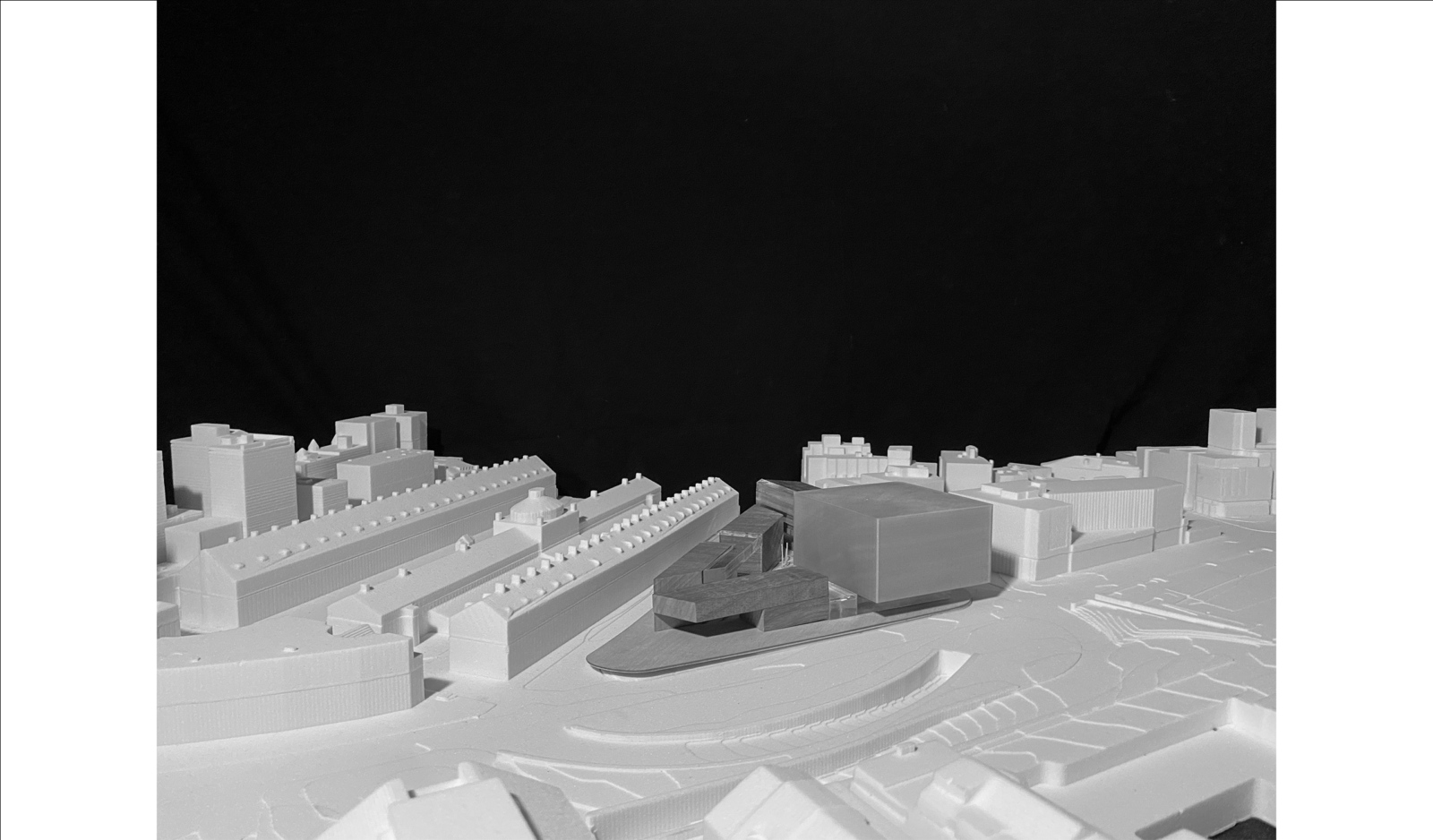
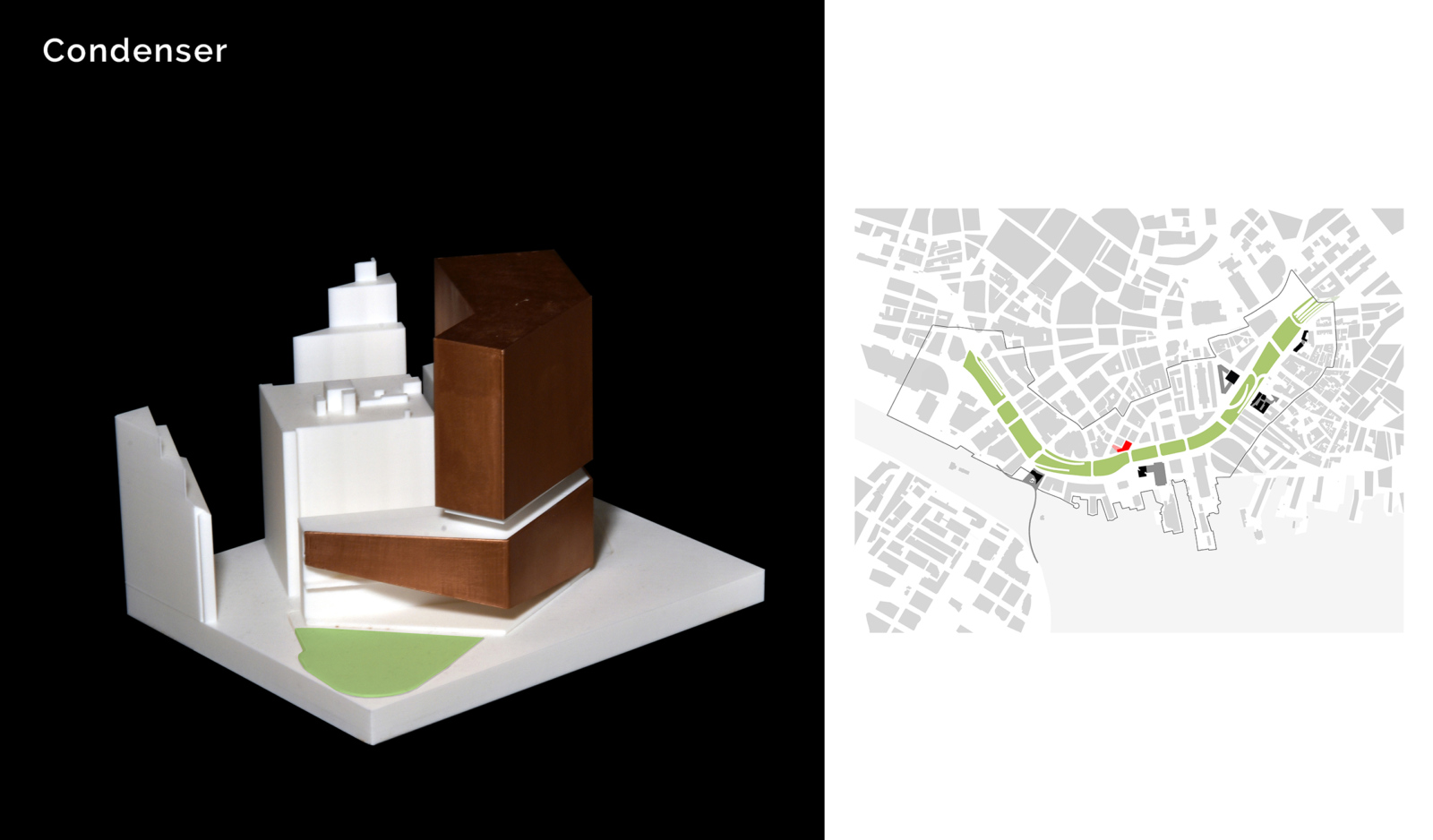
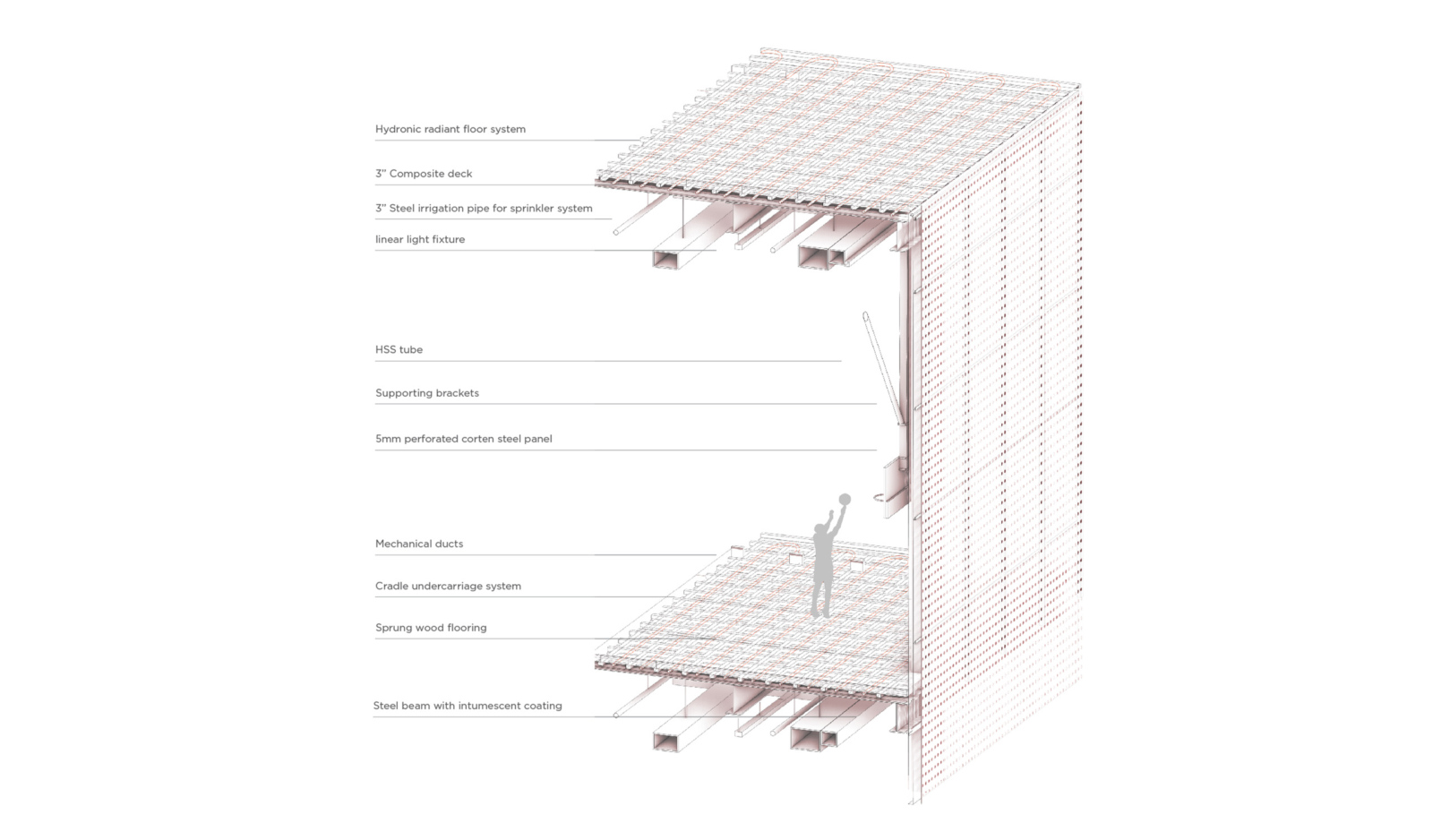
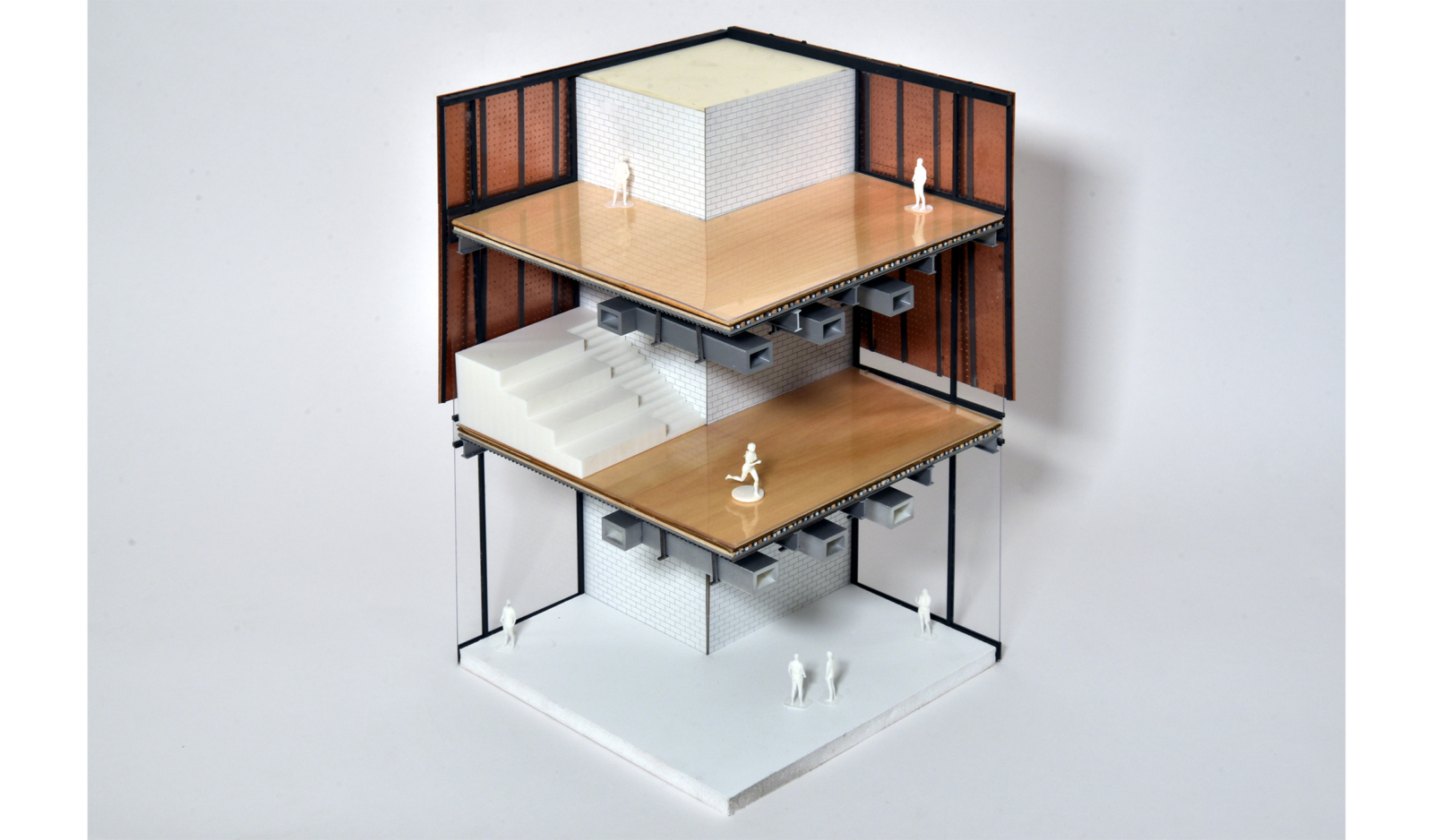
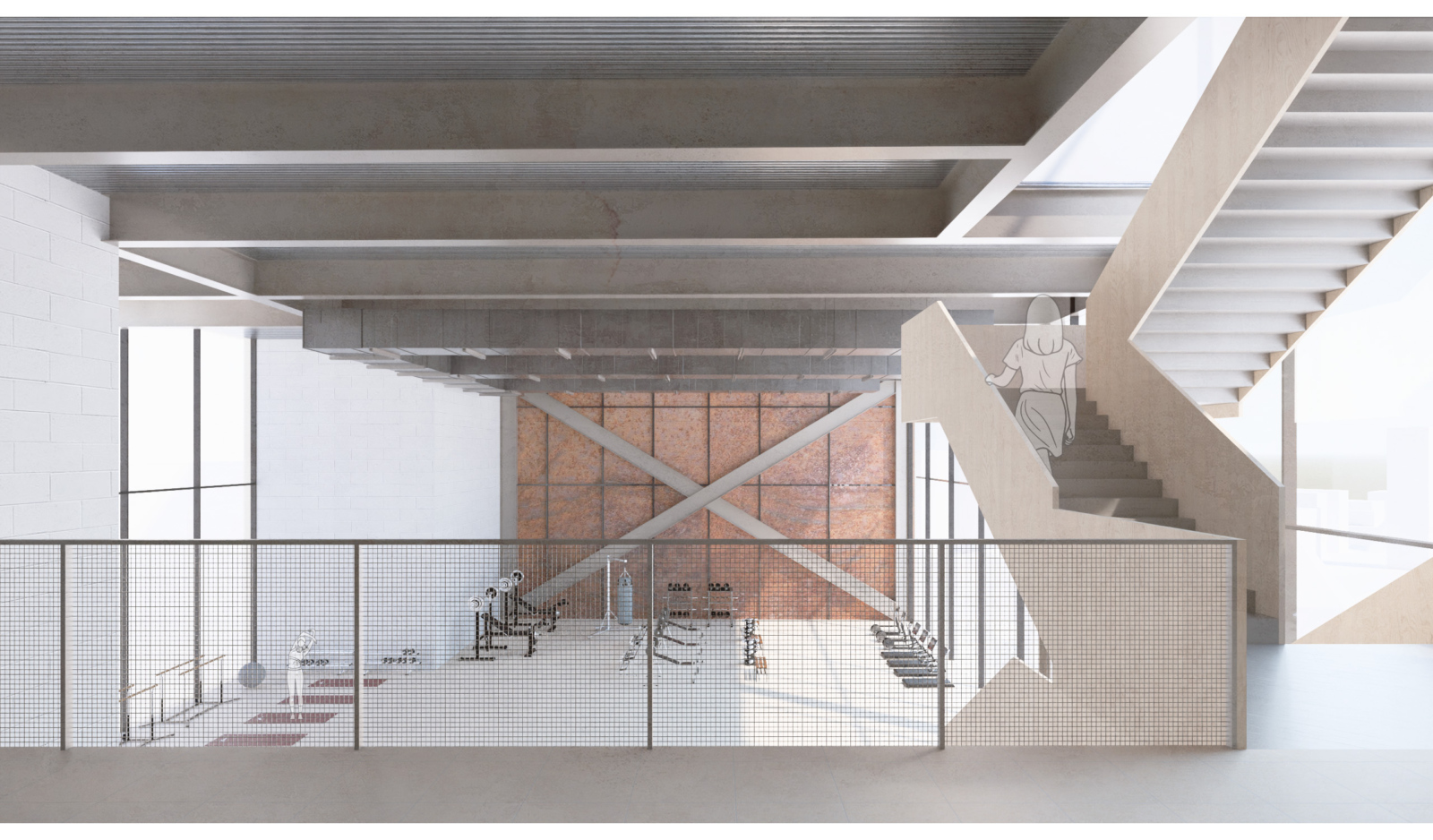
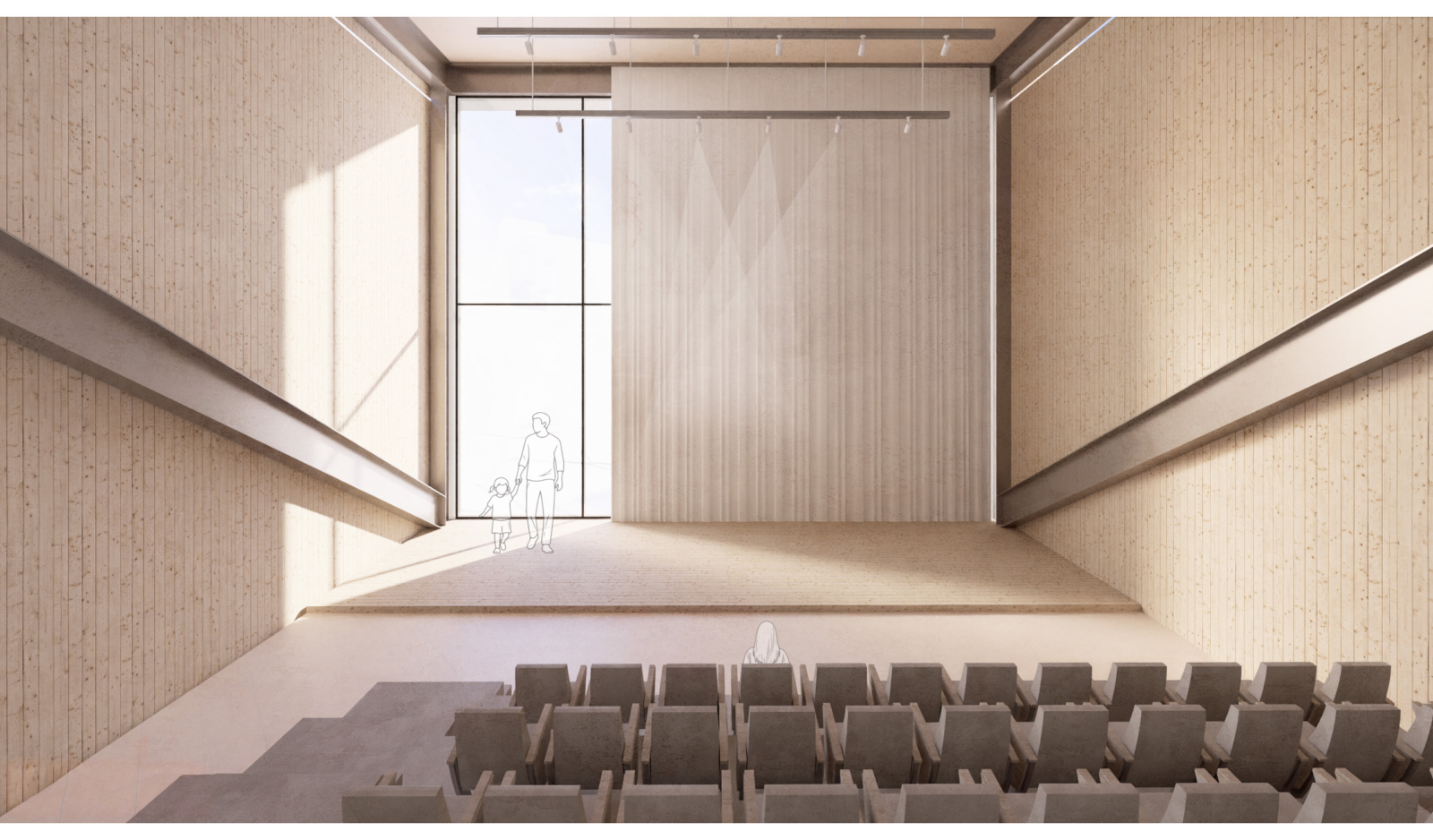
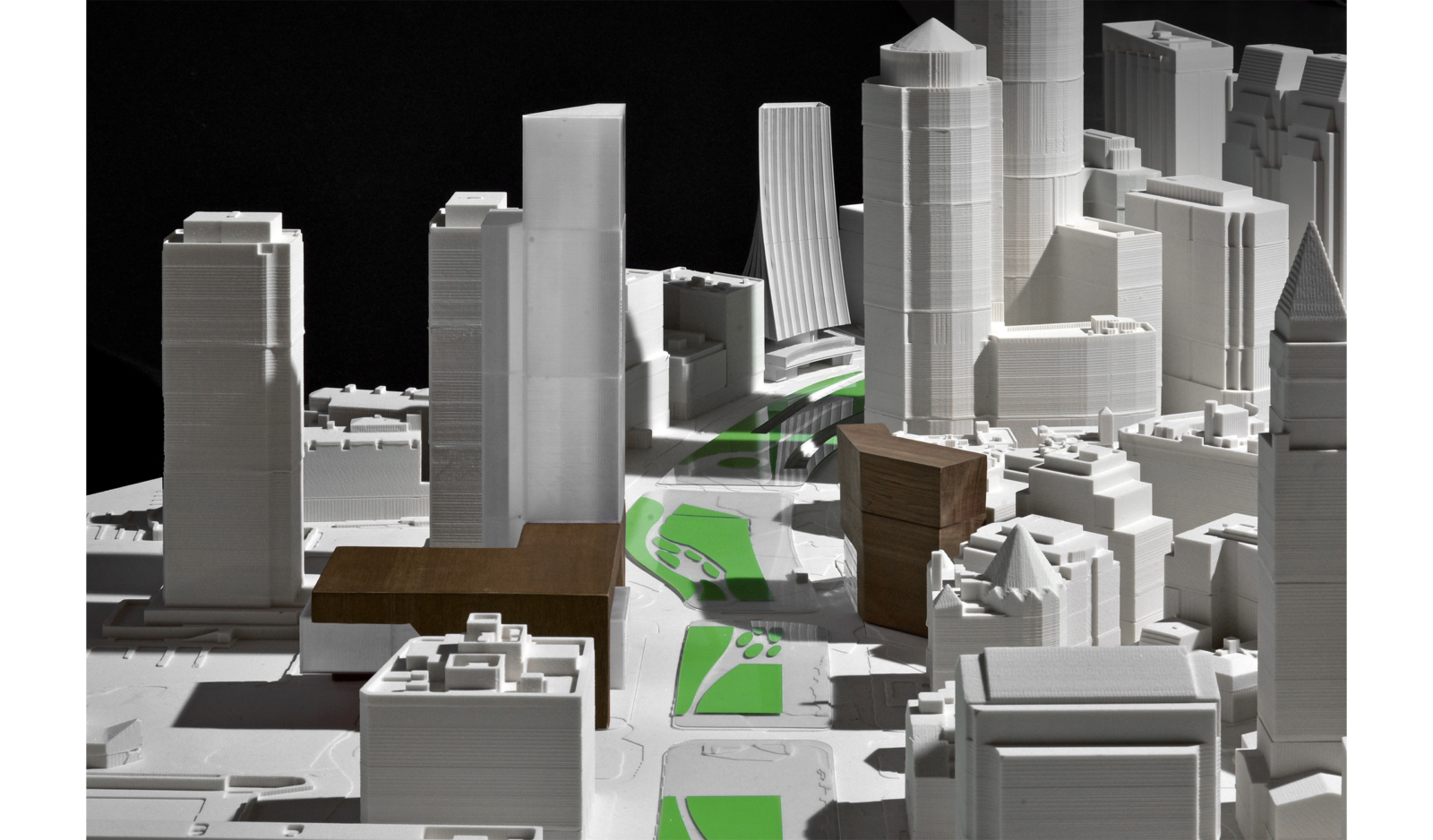
CONDENSER proposes a civic sports and cultural center in Boston, positioned within the Rose Kennedy Greenway at the Town Cove subdistrict, where two triangular parcels combine into a 230,000 square foot site between India Street and Broad Street.
The project operates as a “social condenser” in the lineage of Rem Koolhaas and Ivan Leonidov, compressing divergent speeds, publics, and uses into shared civic intensity through spatial proximity and programmatic overlap. Program is stacked and stitched by a vertical promenade, moving from an open, district-facing ground level with plaza and lobby into flexible health and recreation zones, locker and practice spaces, gymnasium and multi use courts, and culminating in a performance hall and an elevated sports court that frames the Greenway and mediates the scale shift between the financial and wharf districts.
hinge
Students: Matthew Watson, Olivia Labbate
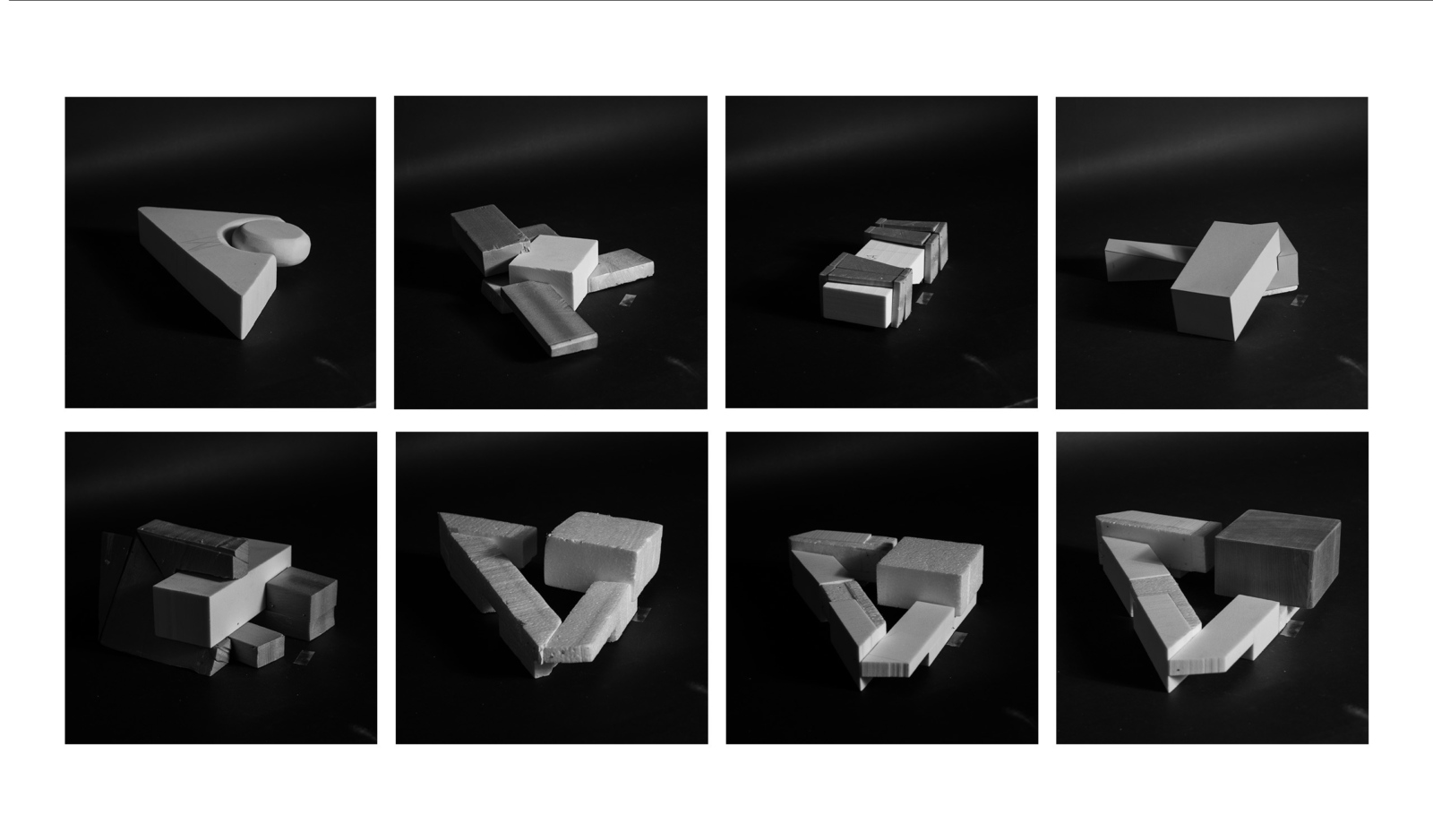
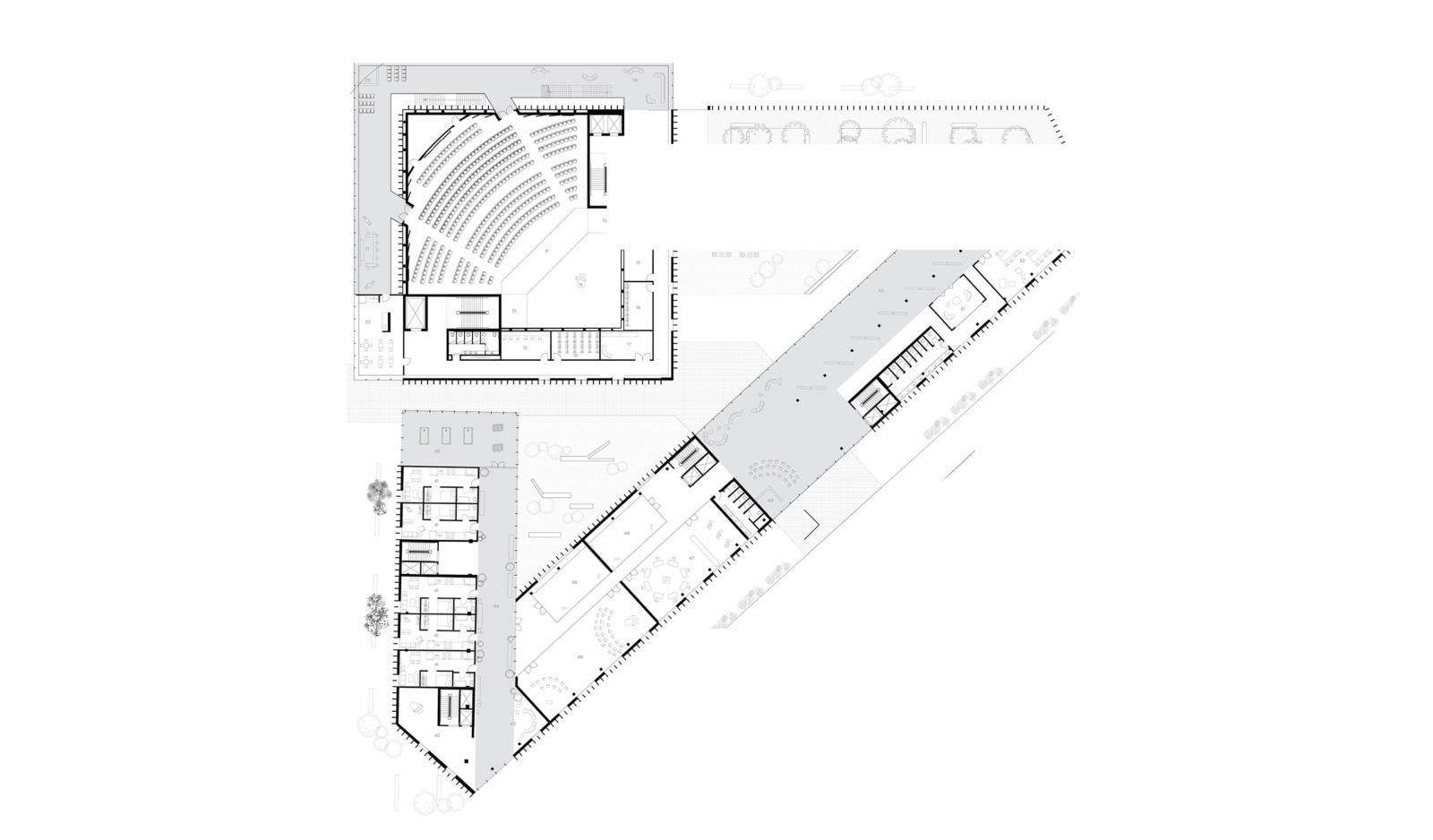
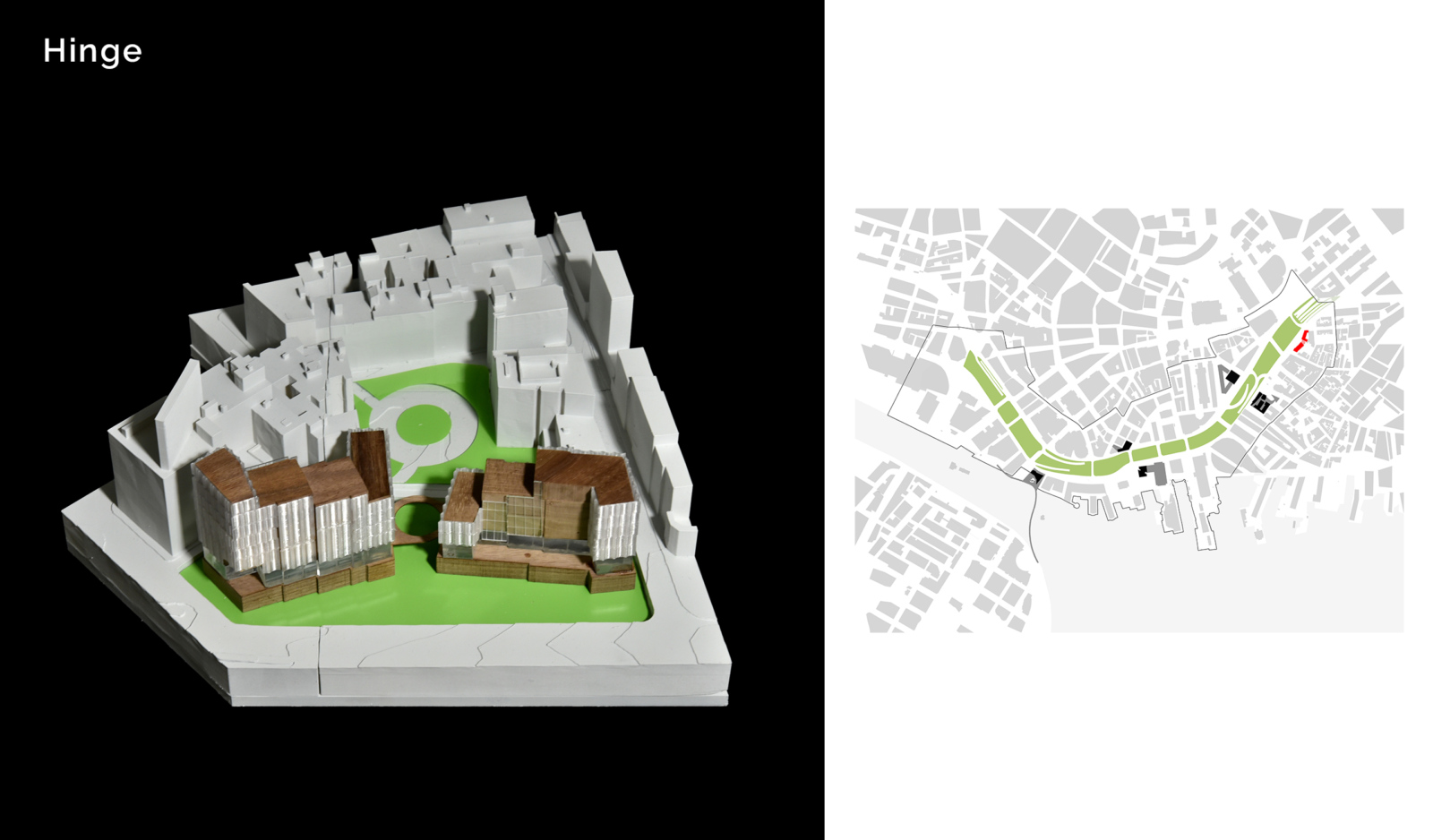
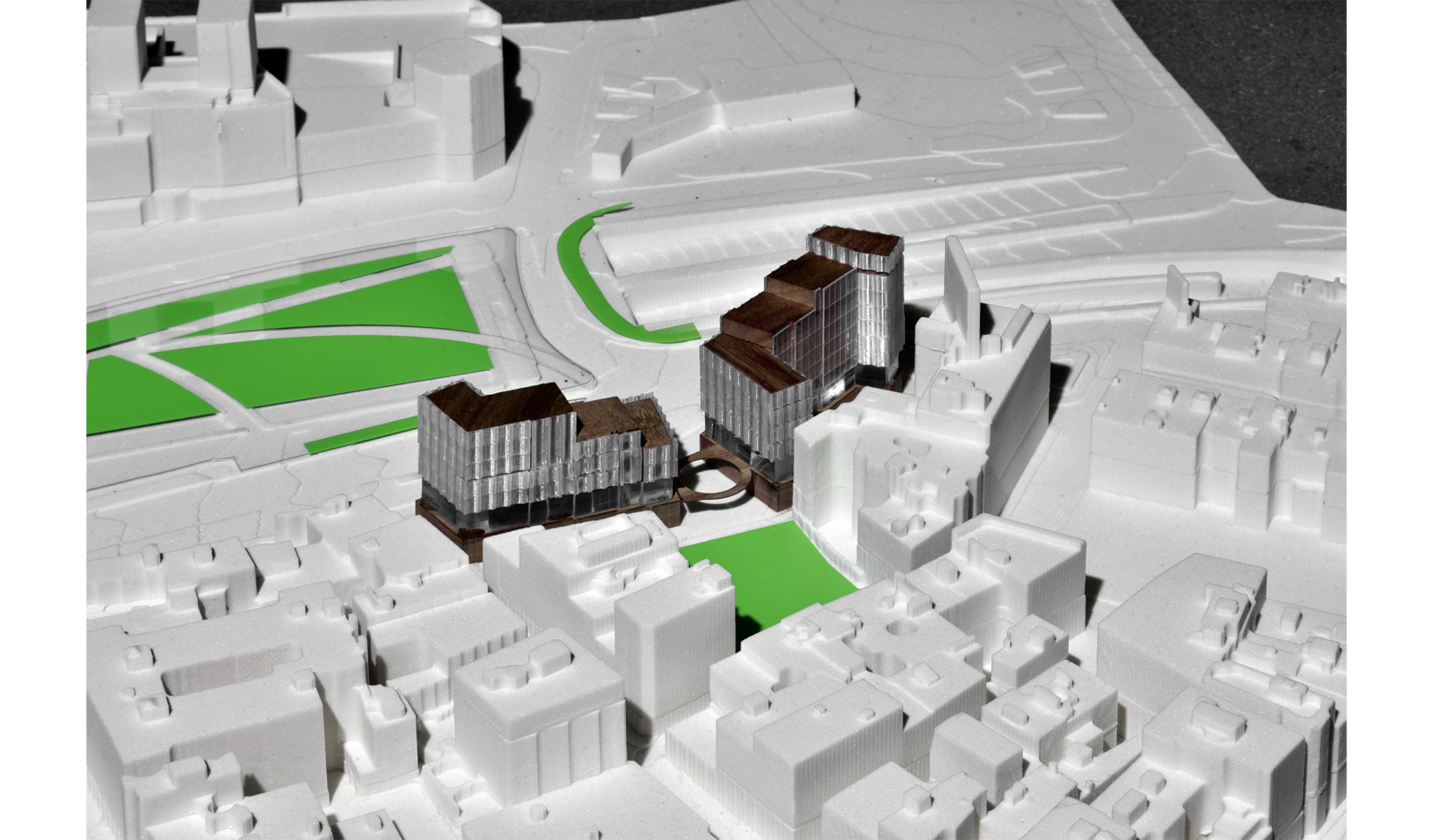
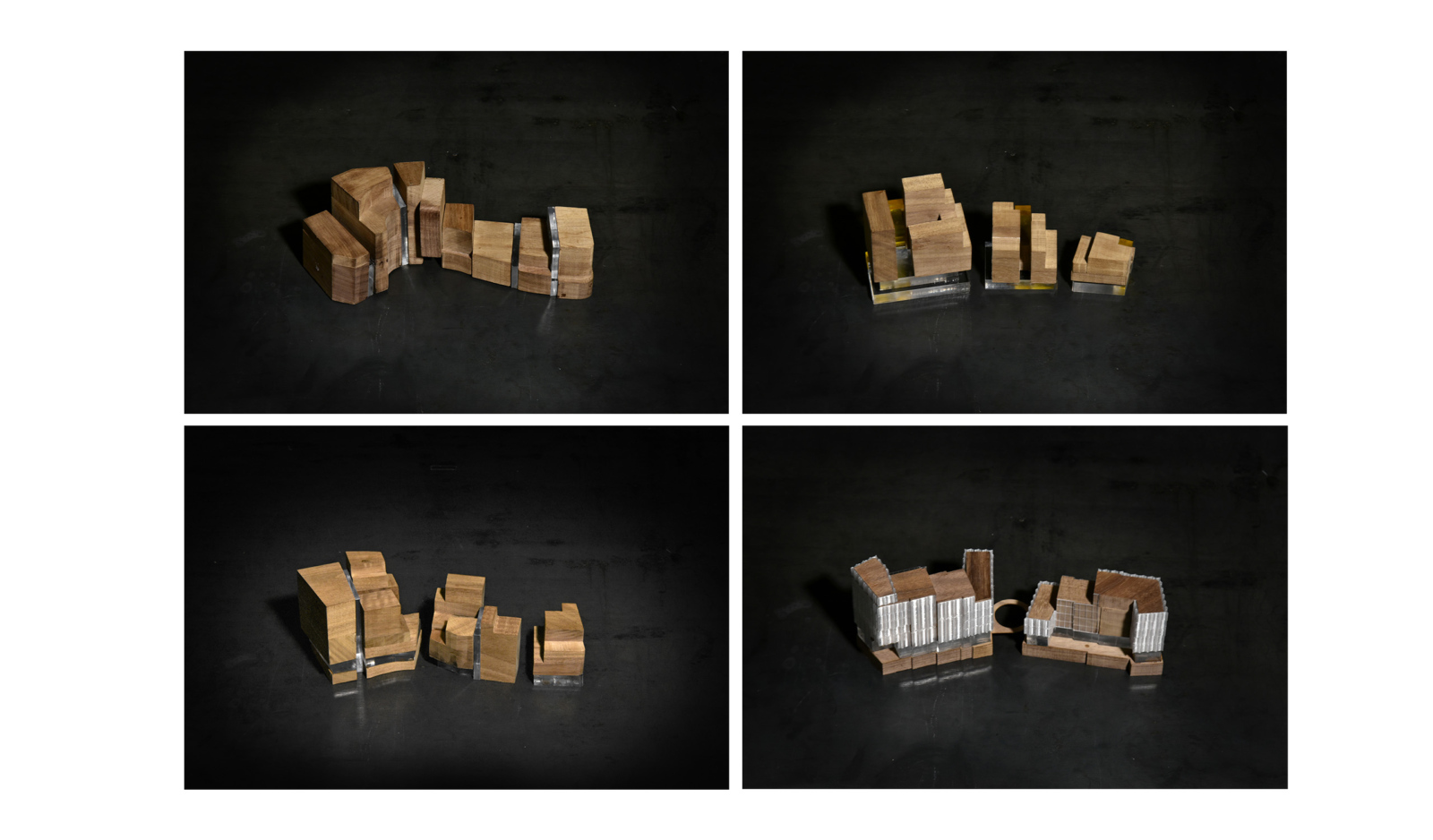
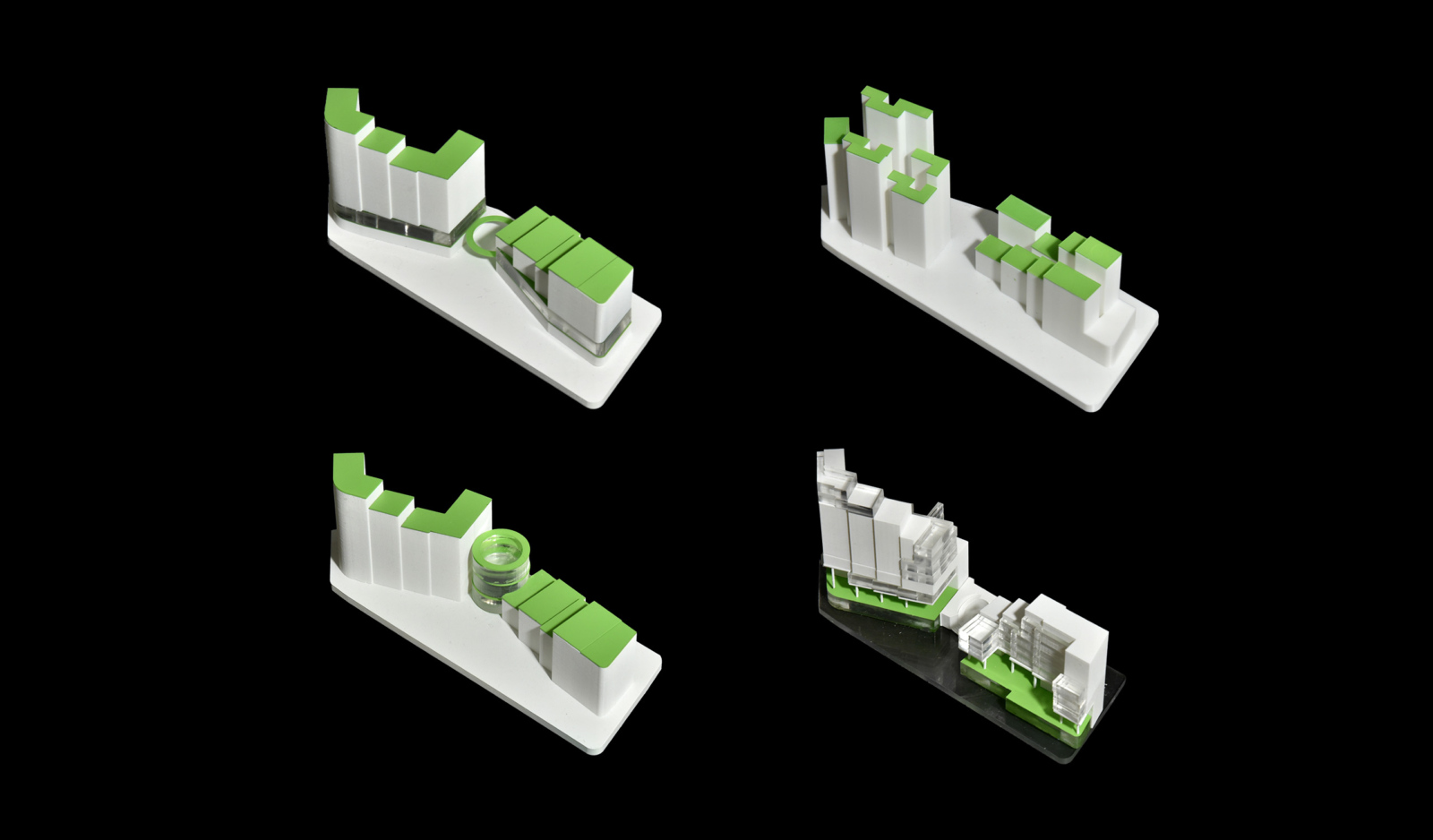
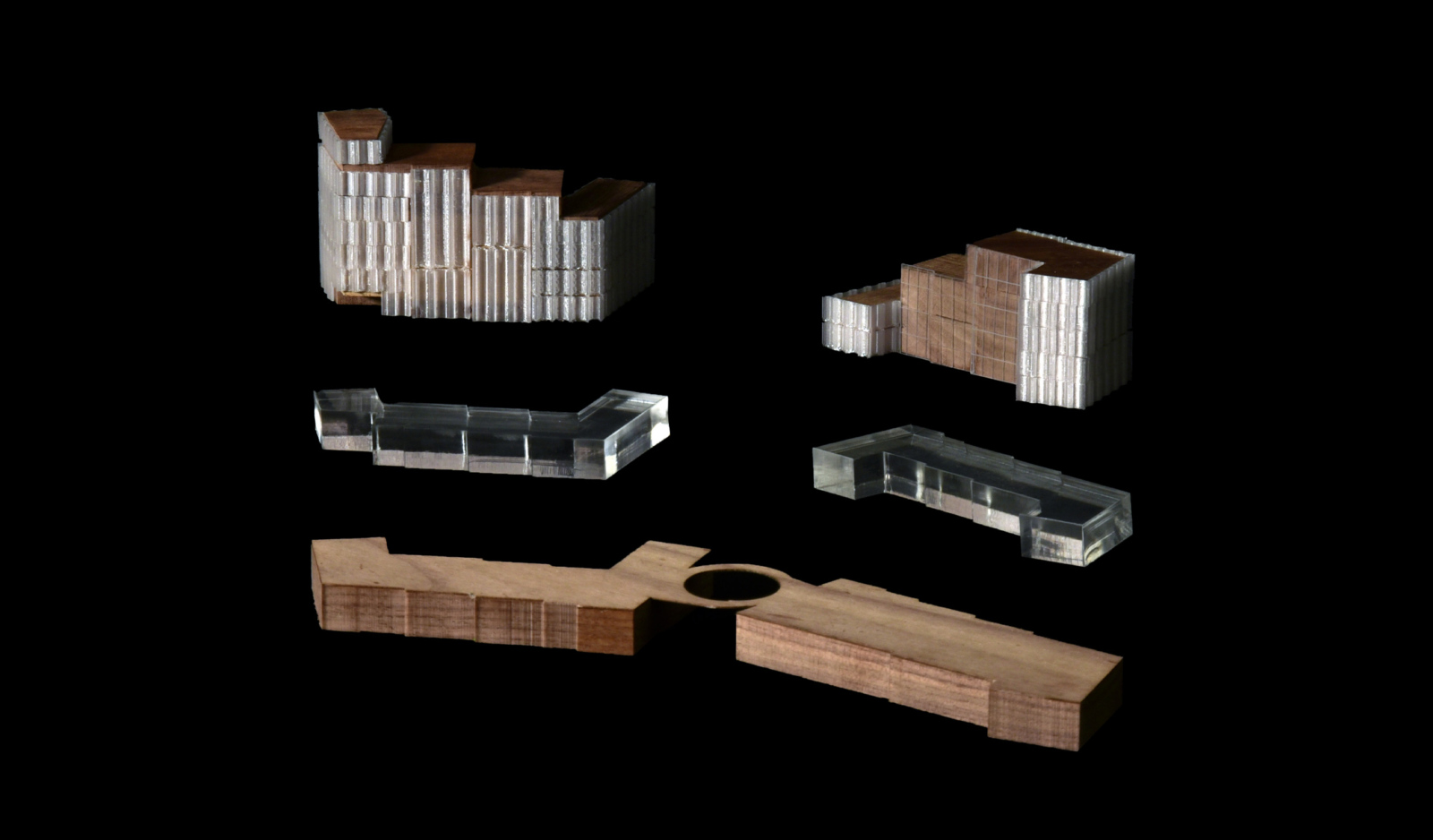
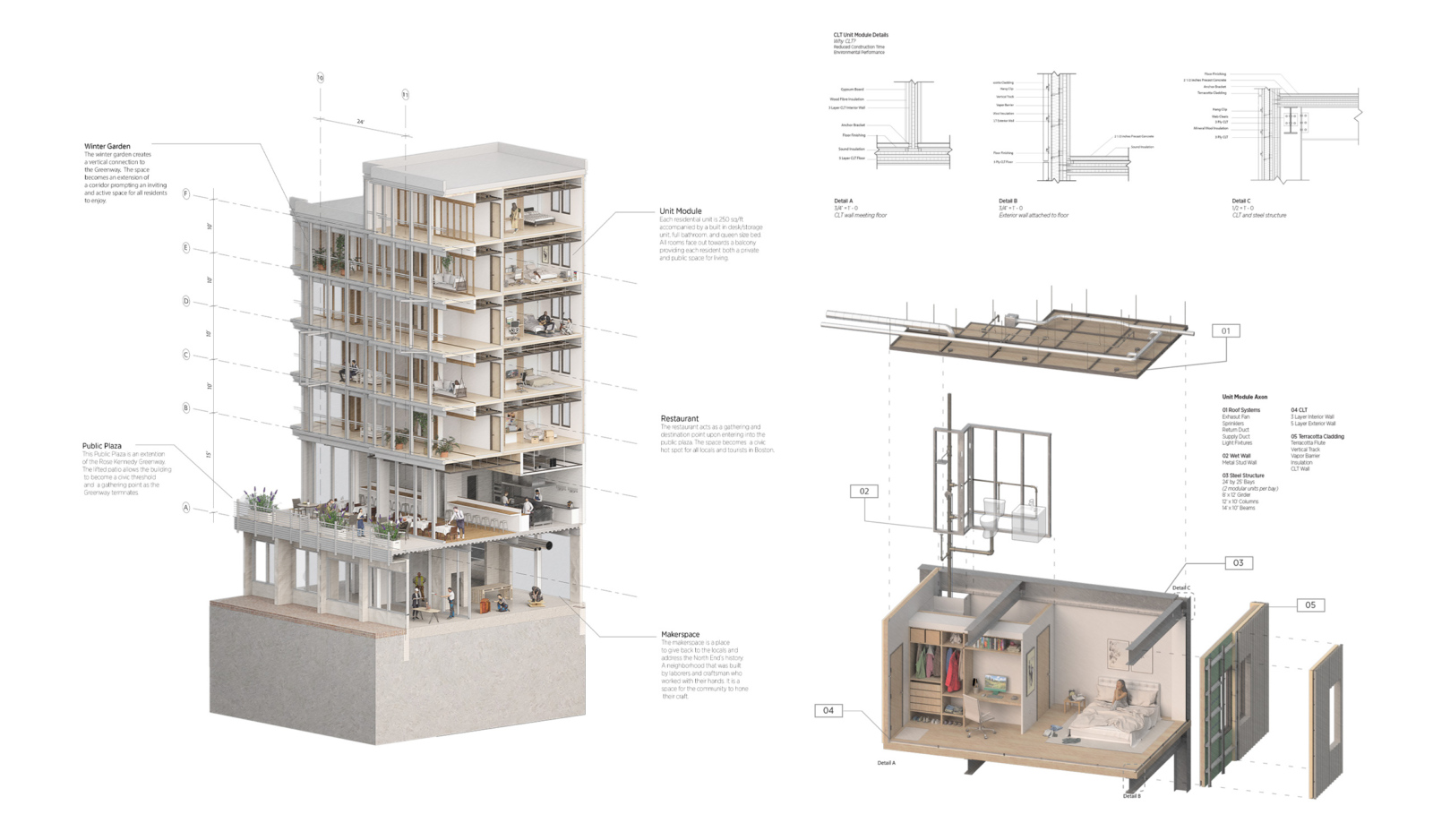
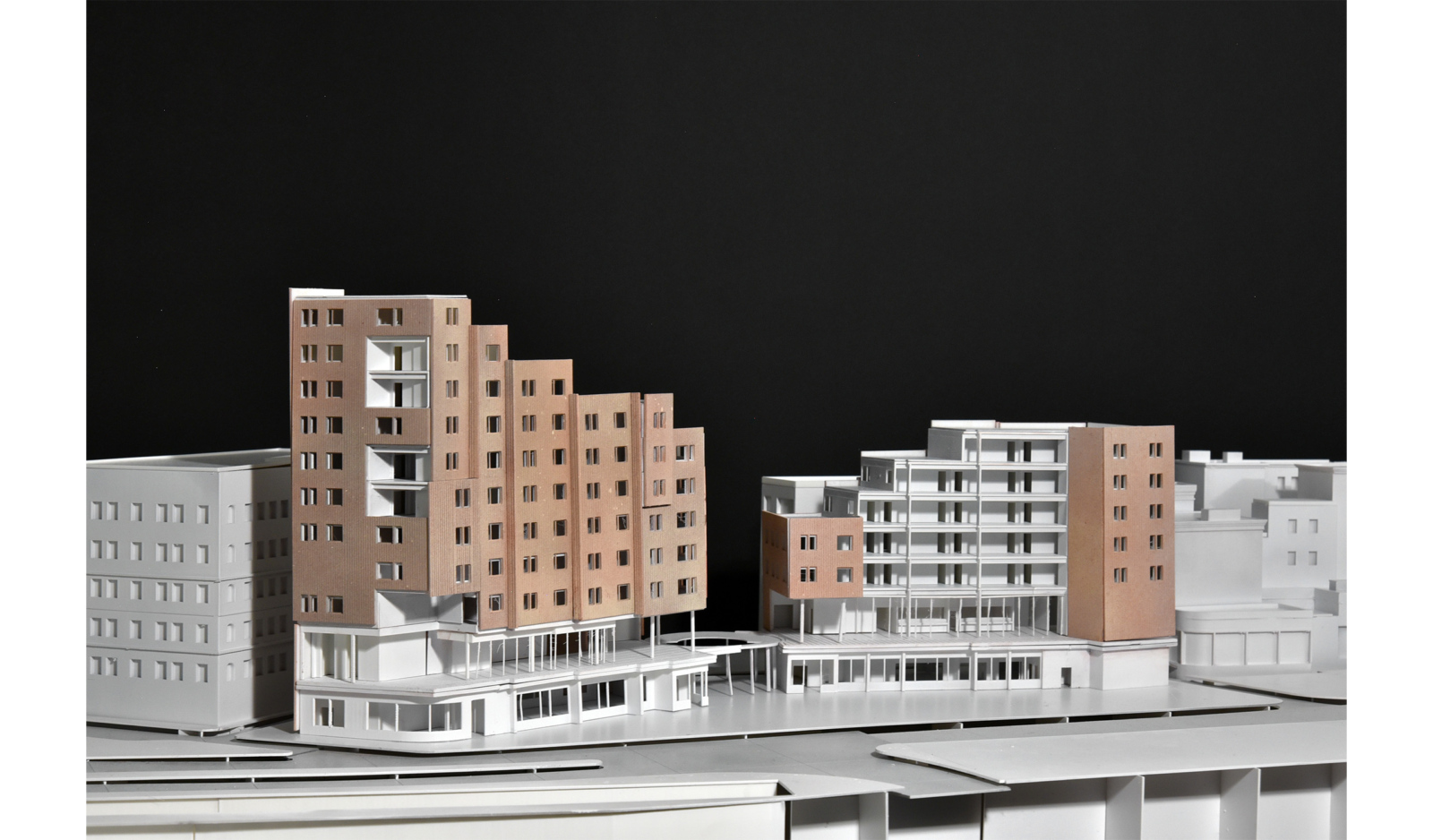
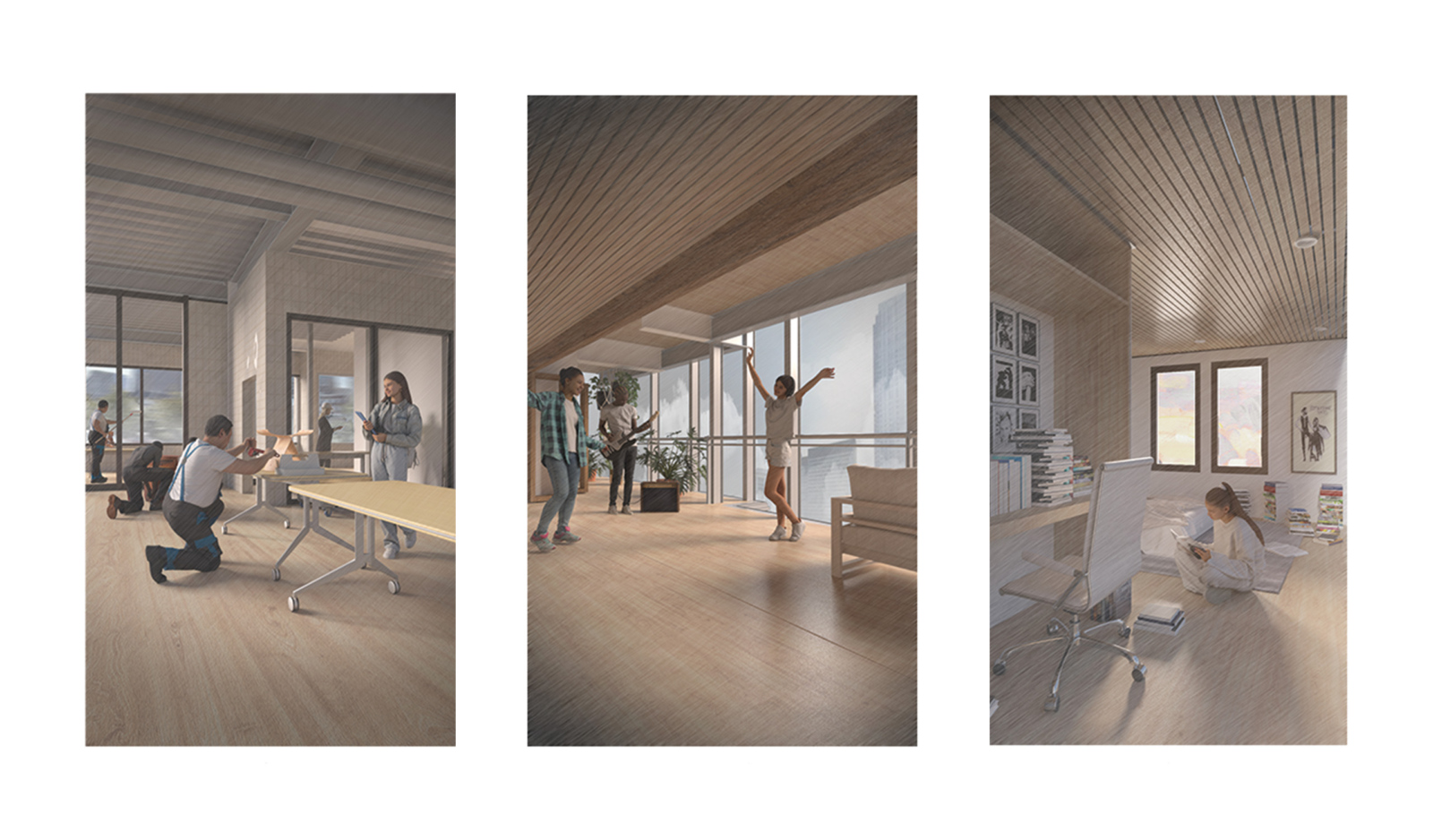
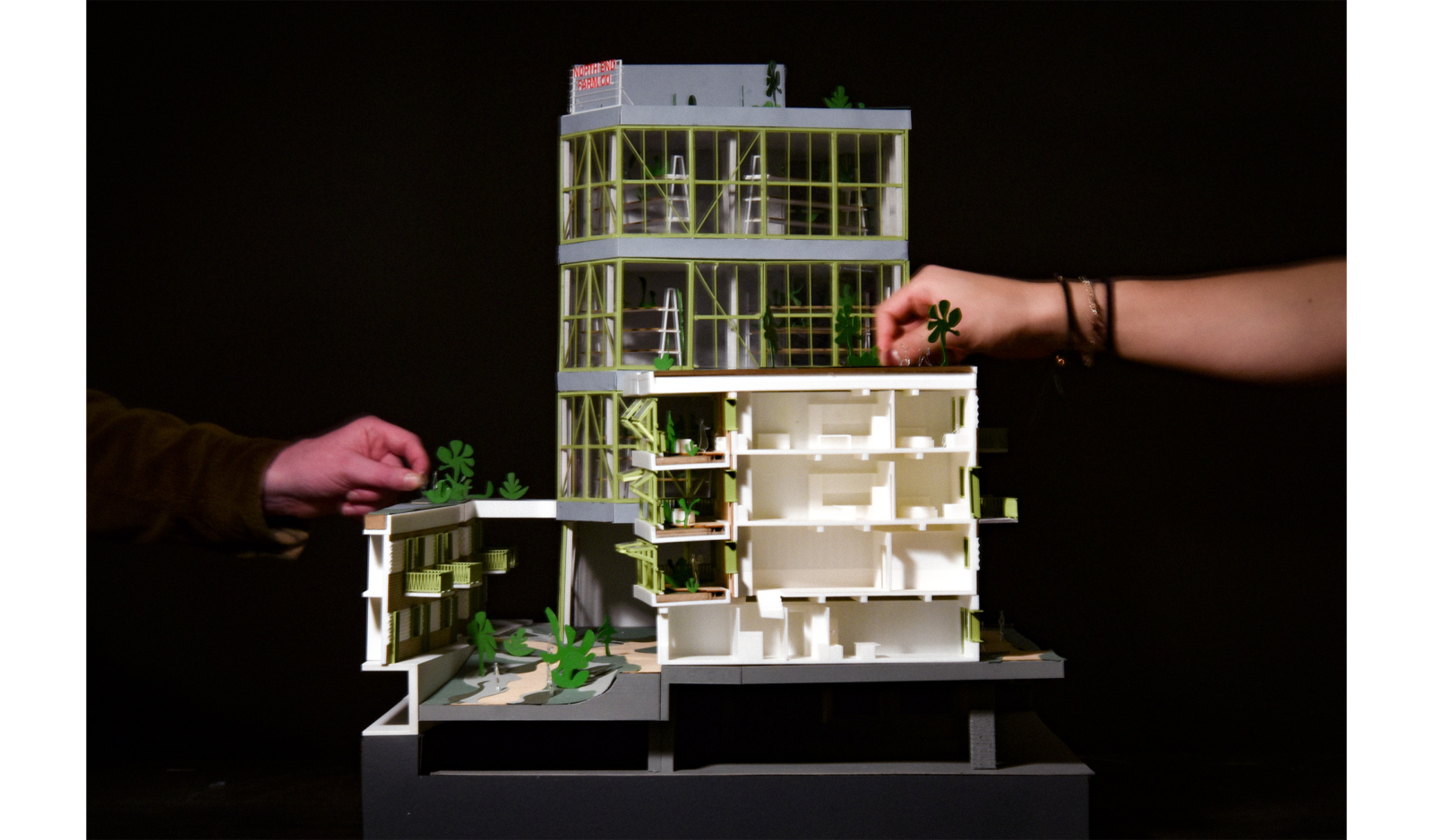
HINGE is positioned between the North End and the Rose Kennedy Greenway, a linear park system established after the burial of the Central Artery through the Big Dig. Although the Greenway has re-stitched streets and restored visual continuity, the North End remains spatially and culturally disjointed from Downtown Boston. The Project extends the Greenway’s terminus into the North End, transforming a boundary into a zone of exchange. Its public programming draws from the neighborhood’s historic and cultural legacy, while co- living residential units respond to the increasing presence of young adults and emerging professionals in this dense urban context. Conceived as a civic threshold, HINGE marks the formal end of the Greenway while signaling the continuation and amplification of the North End’s cultural influence within the broader city.
gateway
Students: Natalie Krentz, Sam Johnson
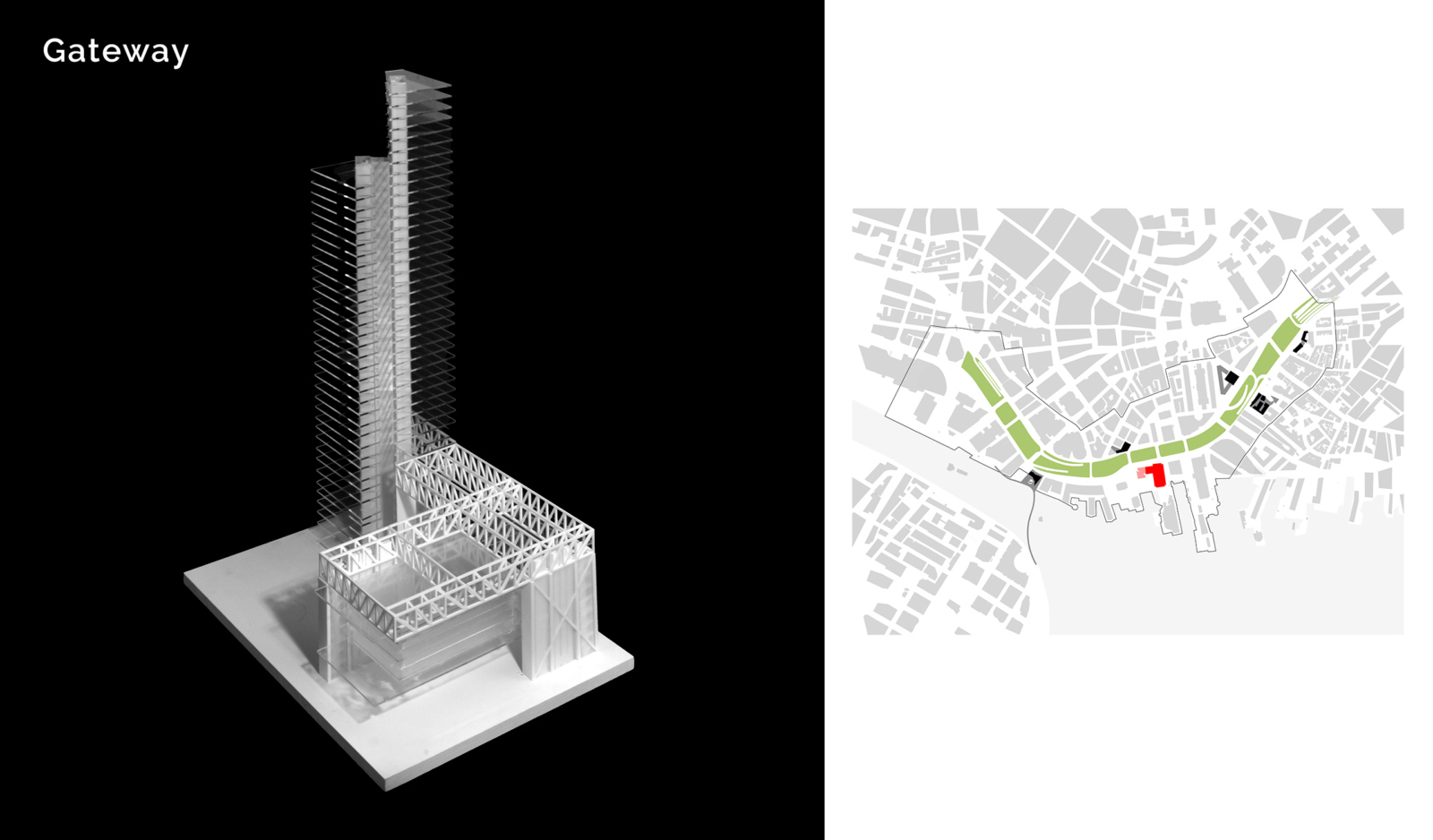
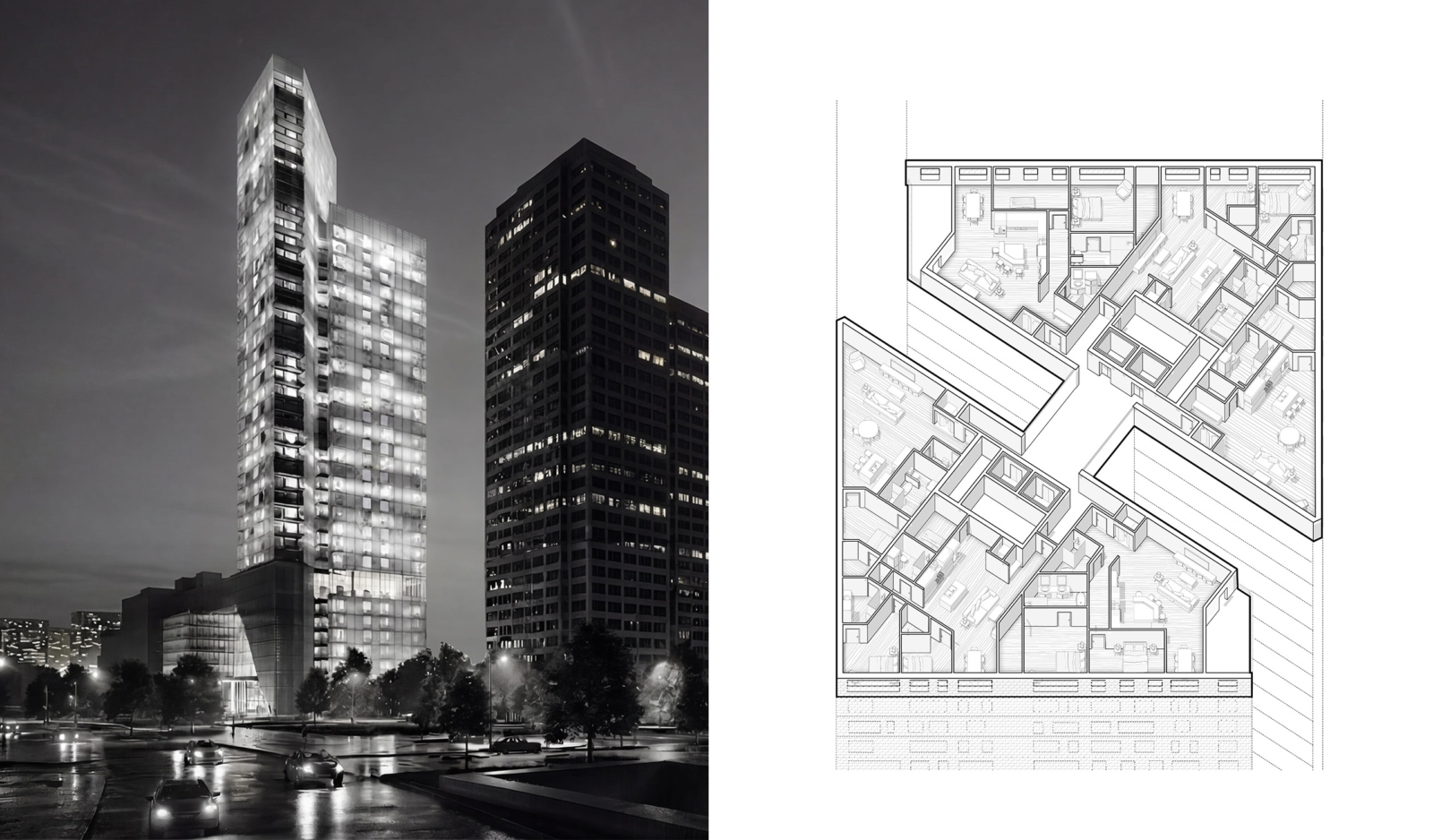
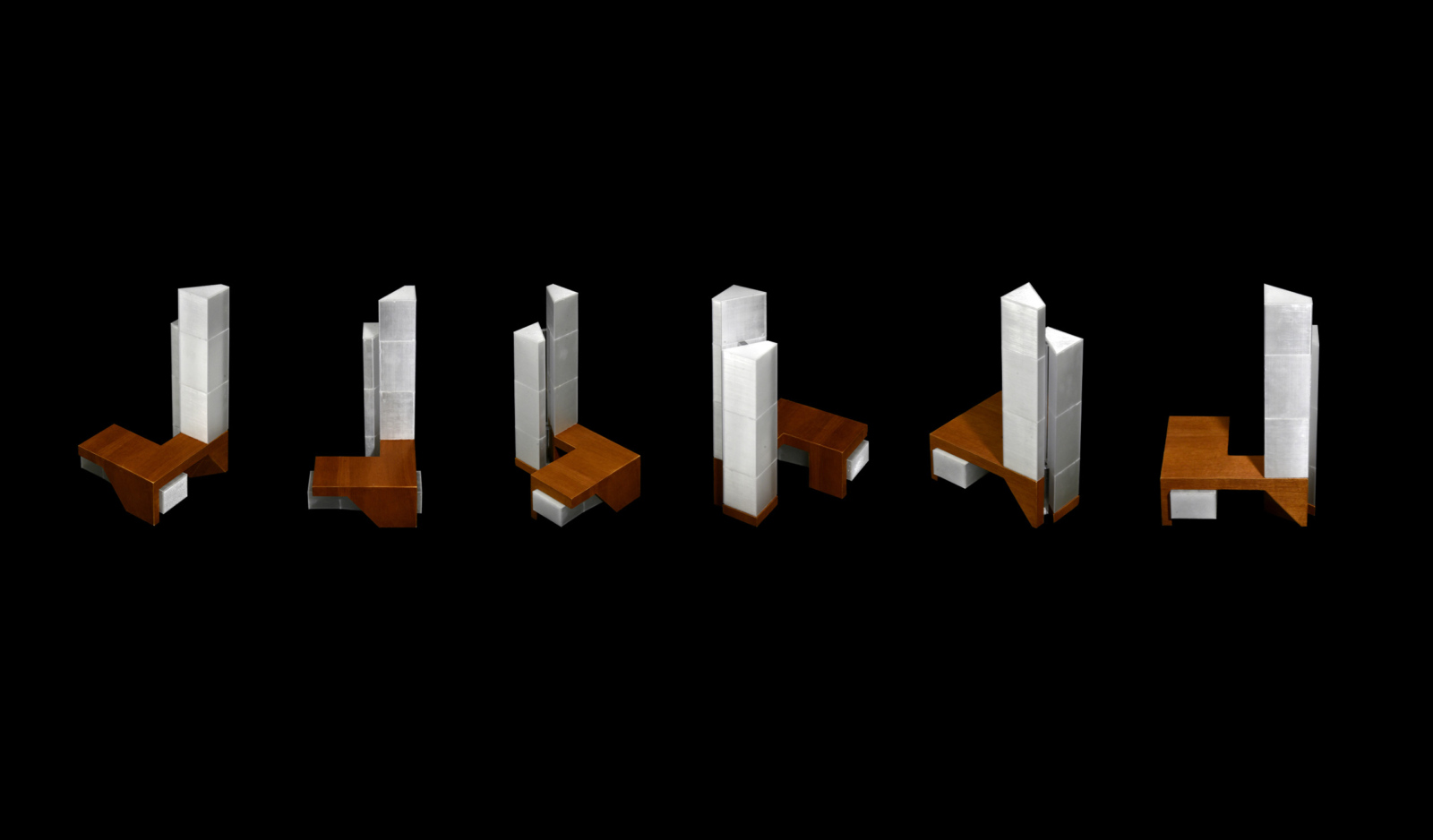
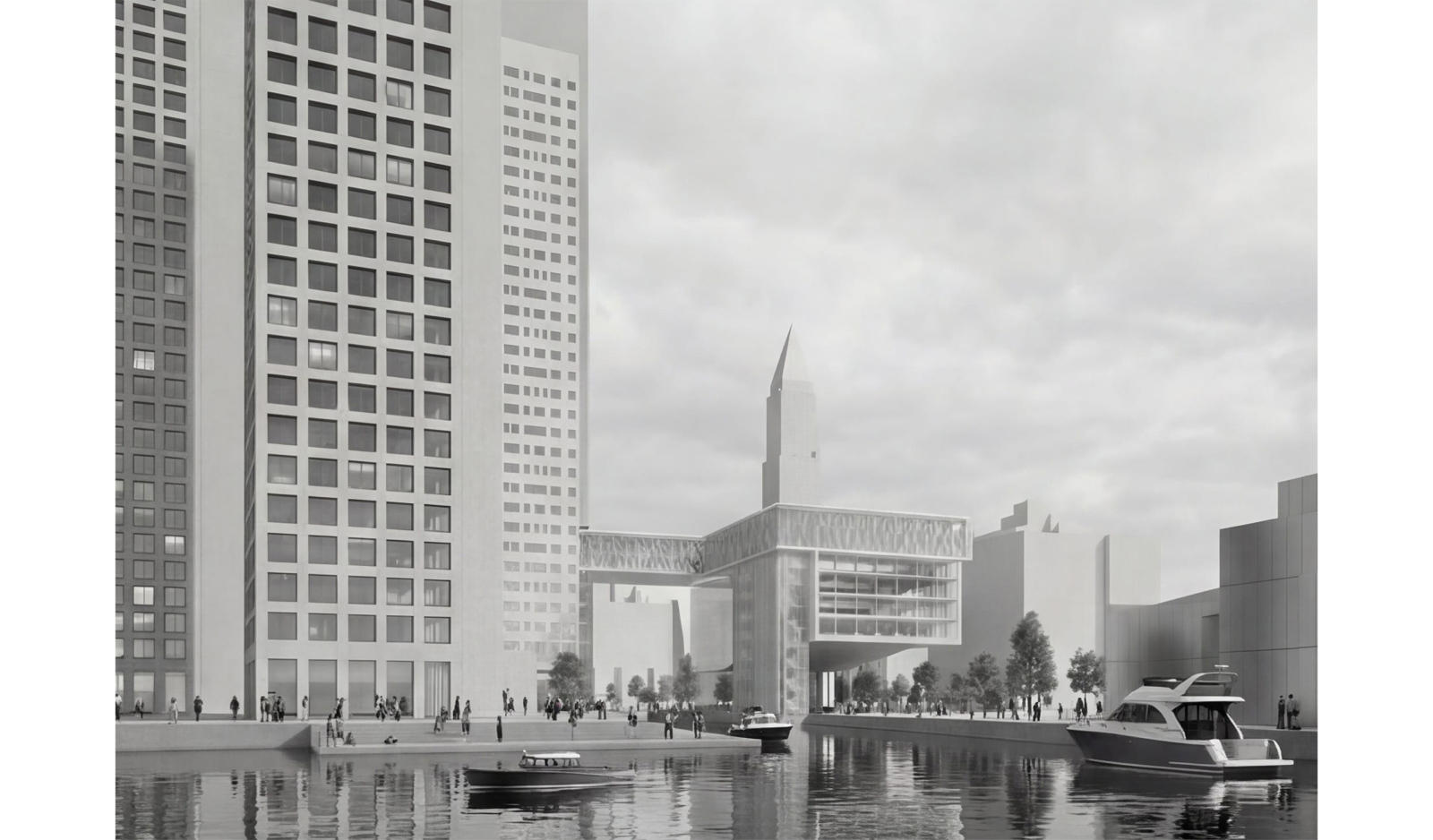
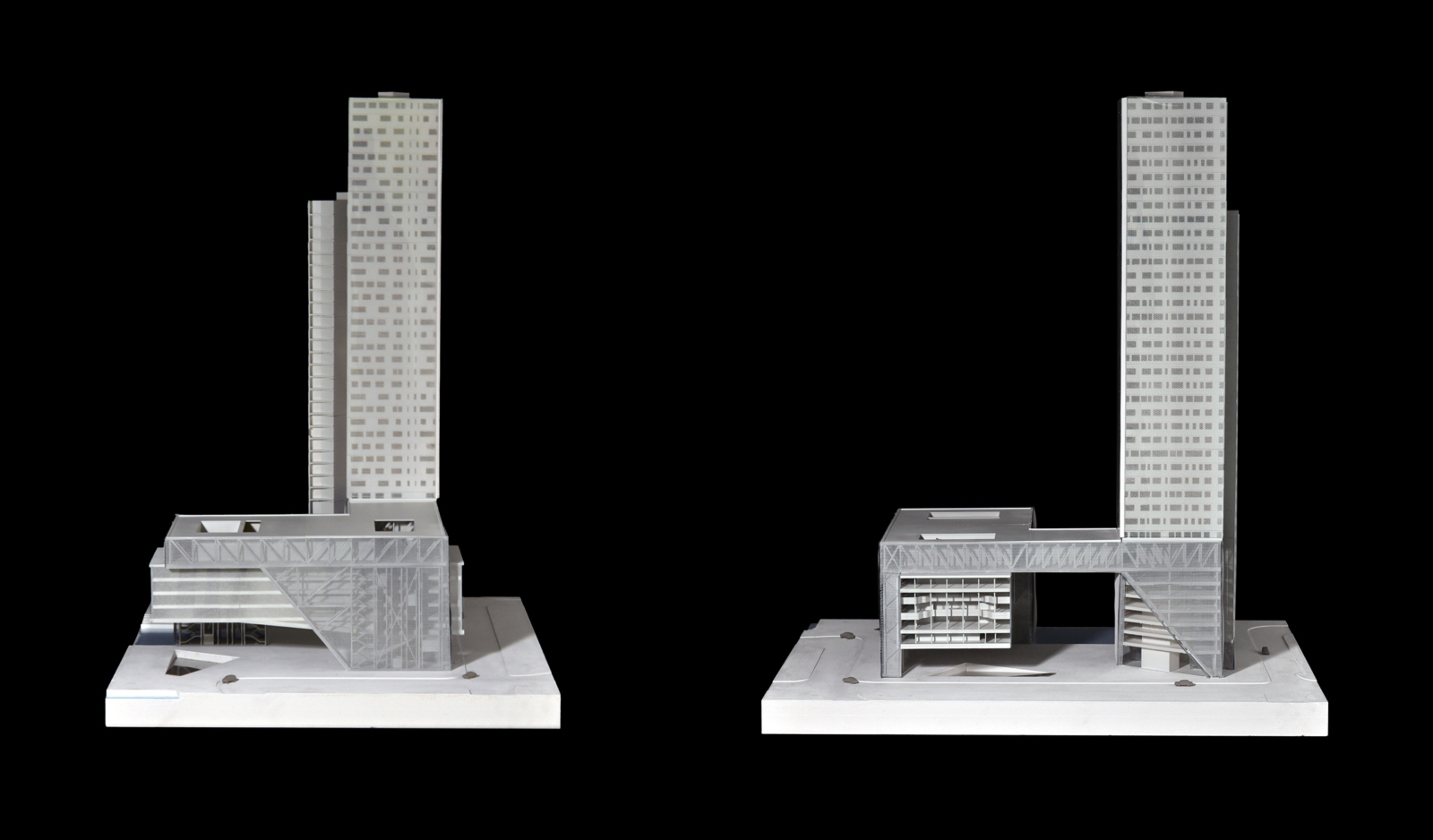
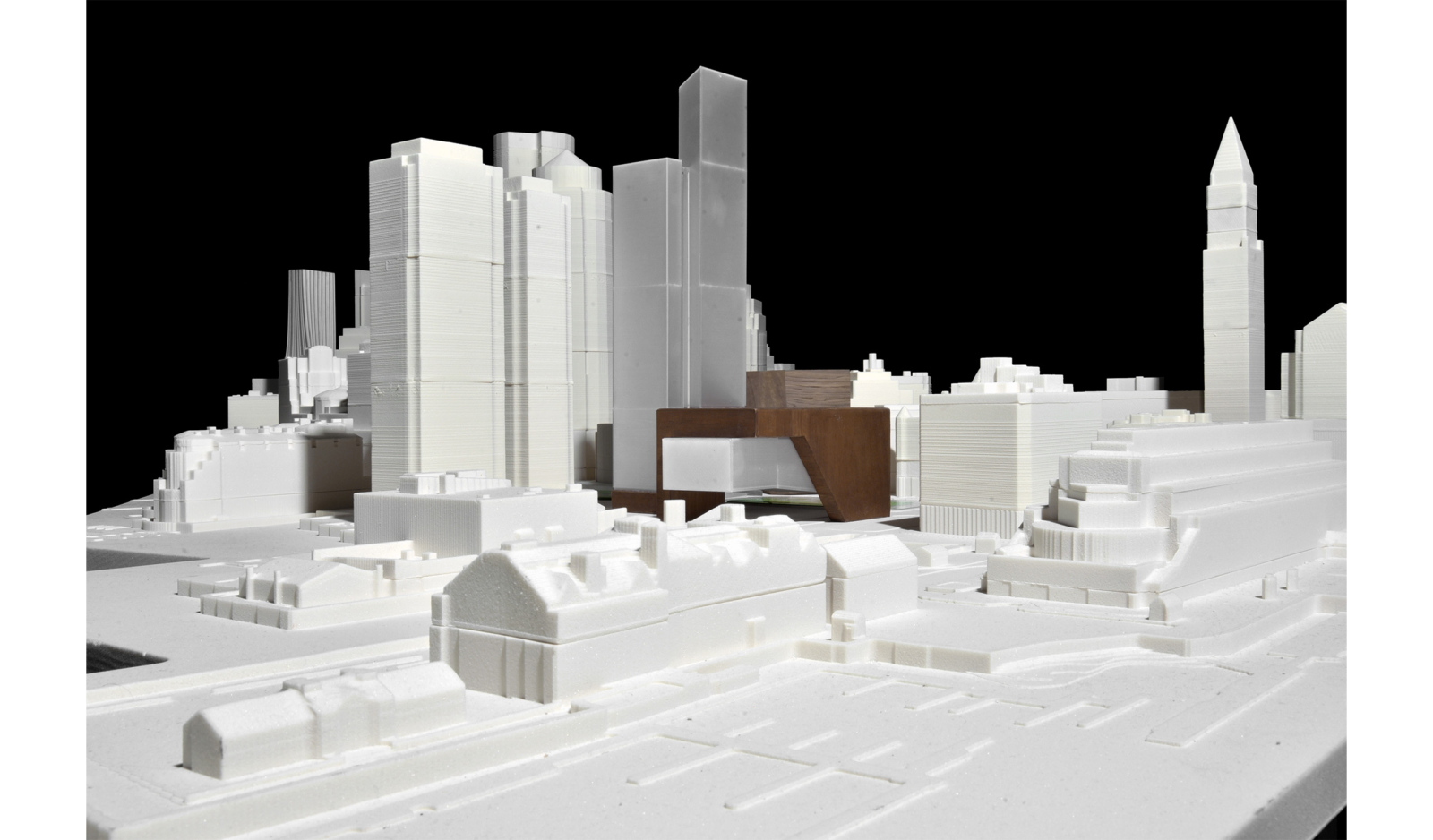
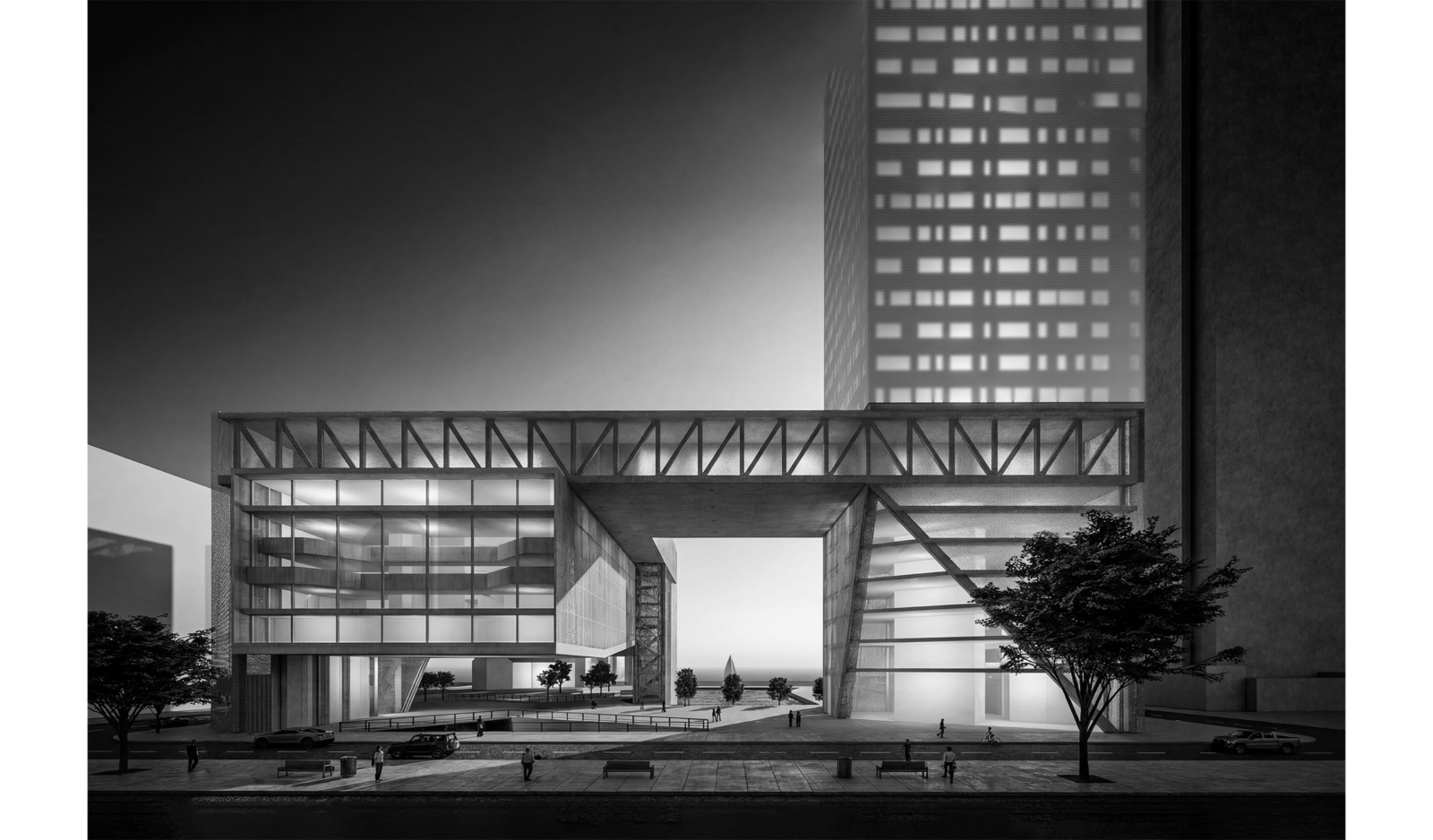
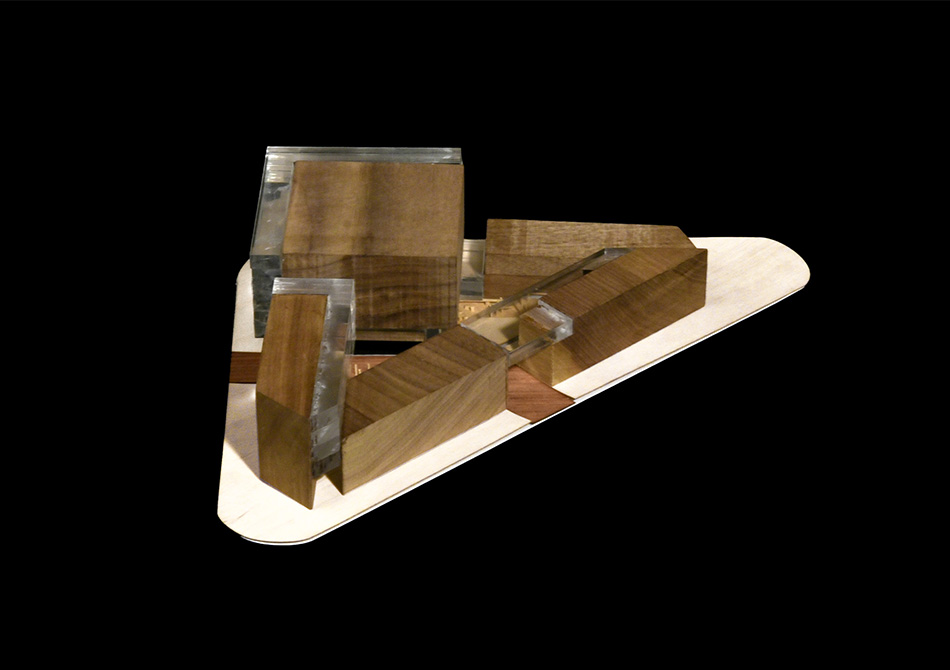
GATEWAY repositions the Harbor Garage site as a mixed-use urban hinge between the Greenway and the Boston waterfront, transforming a barrier into a civic threshold. Organized as a “lifted table,” the project preserves an open promenade at grade while concentrating program above. By elevating the mass, it reconnects surrounding public spaces and frames the site as both infrastructural repair and spatial manifesto, with a façade that modulates openness through concealment and reveal.
stratum
Students: Kennan Huskison, Owen Connors, Max Jin