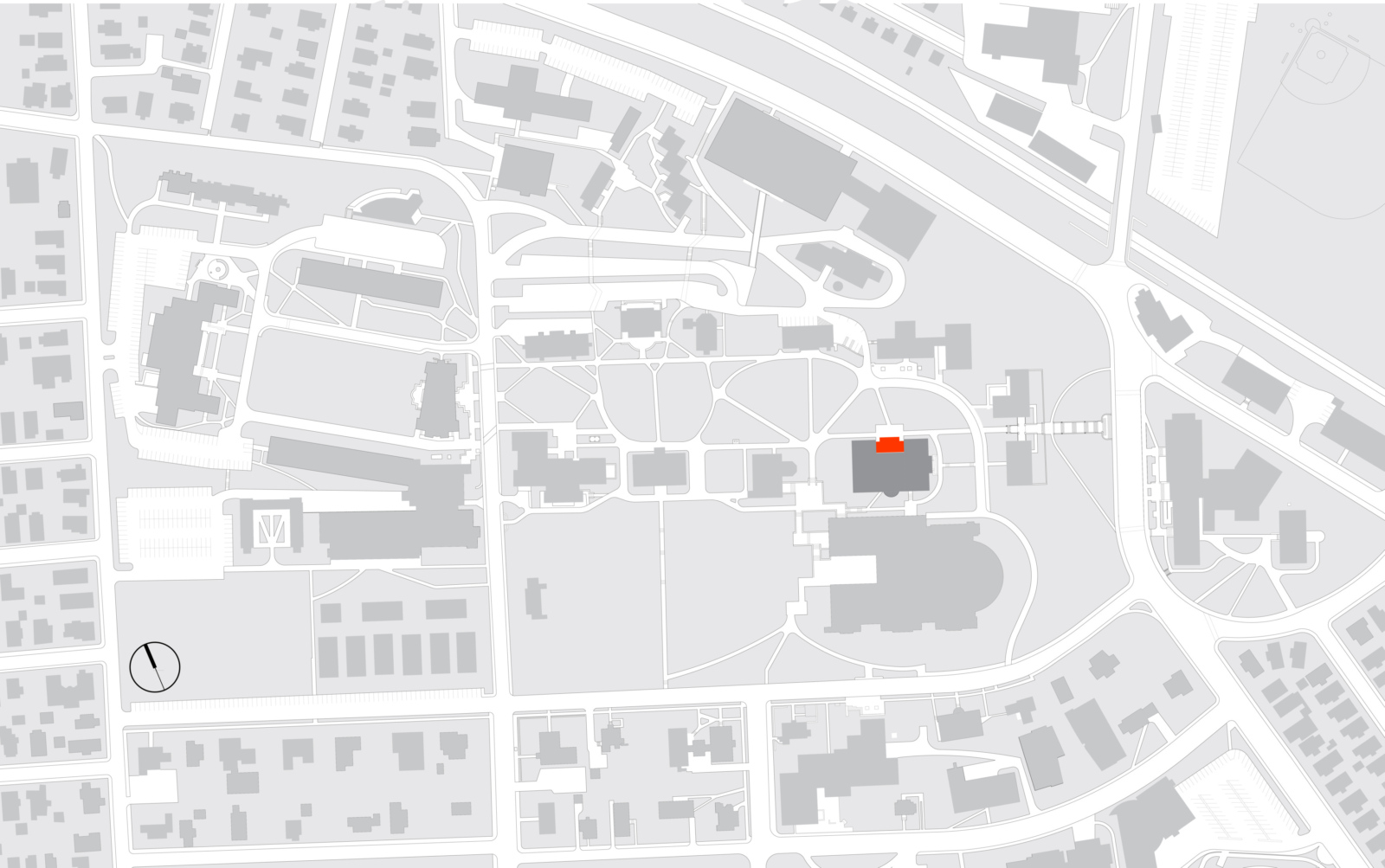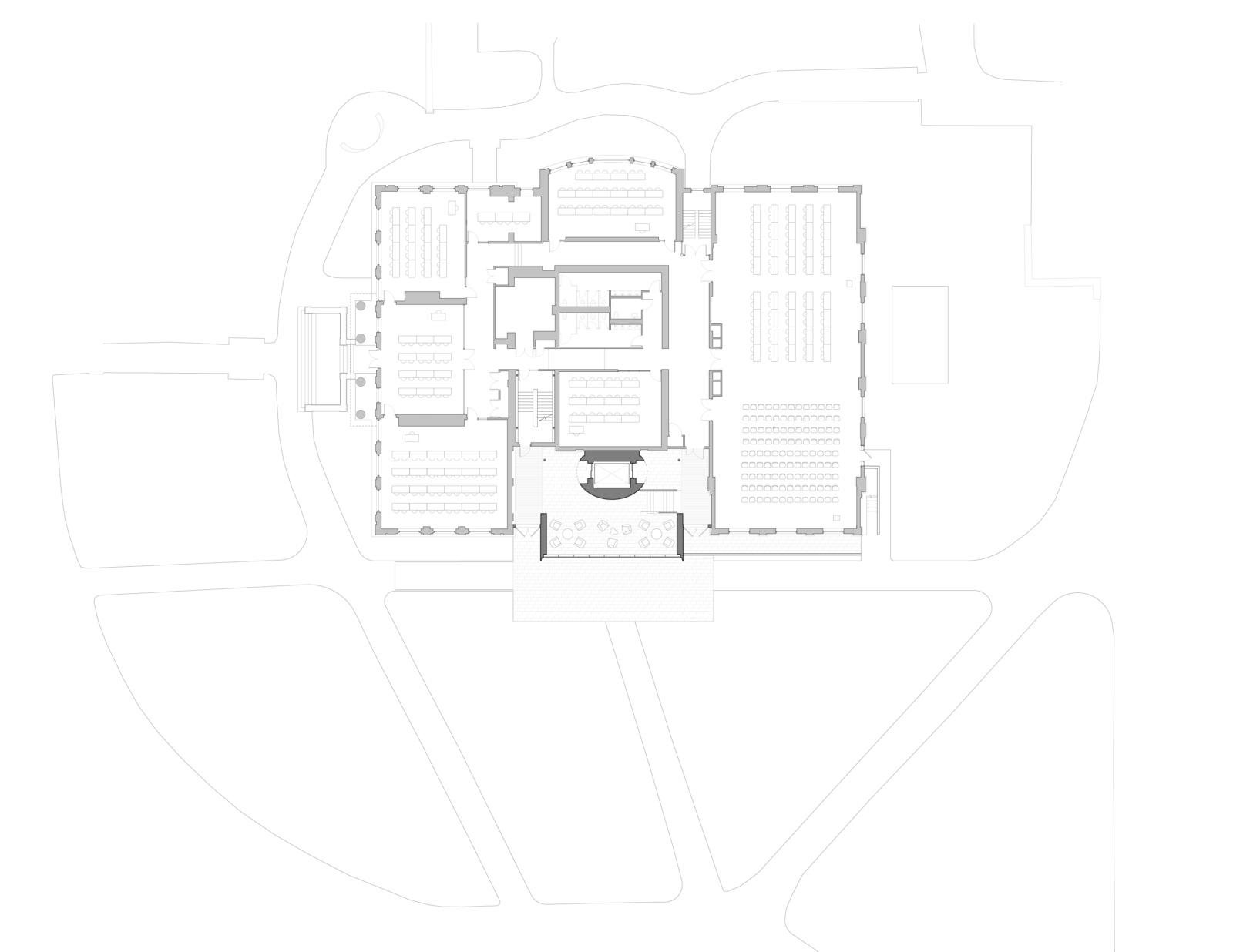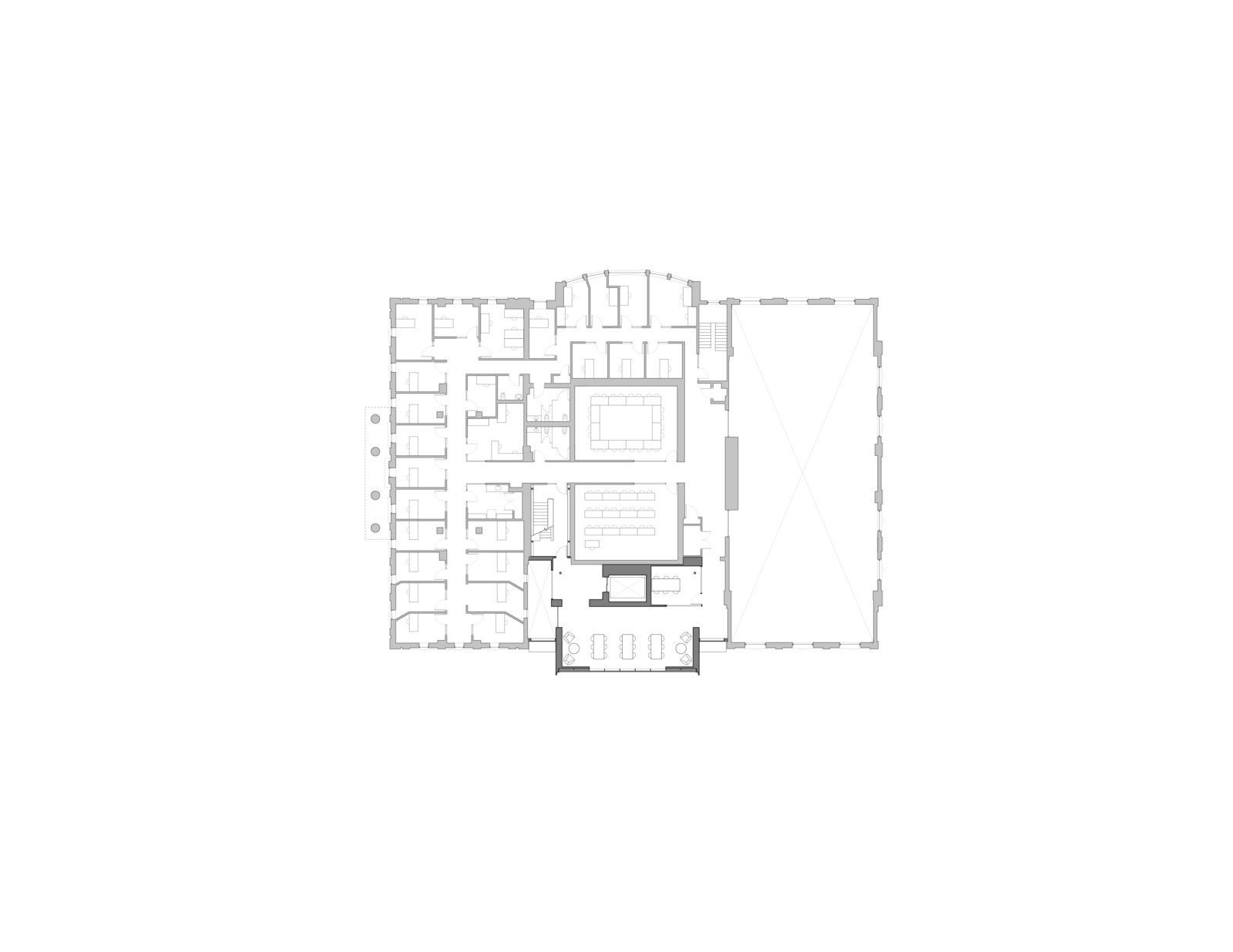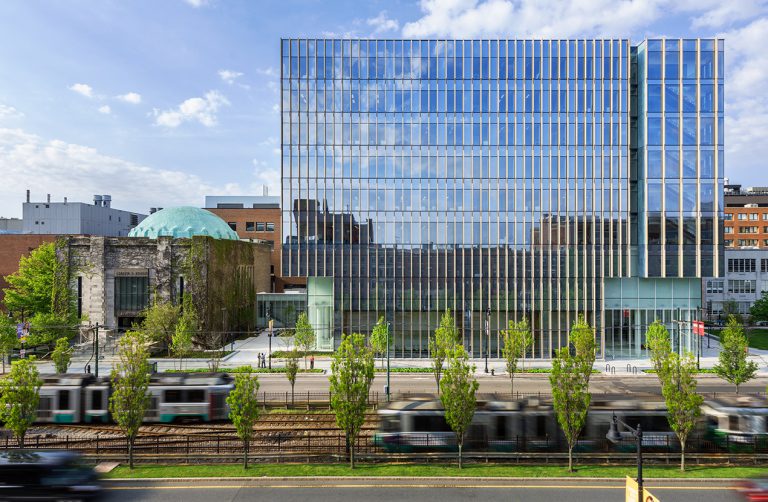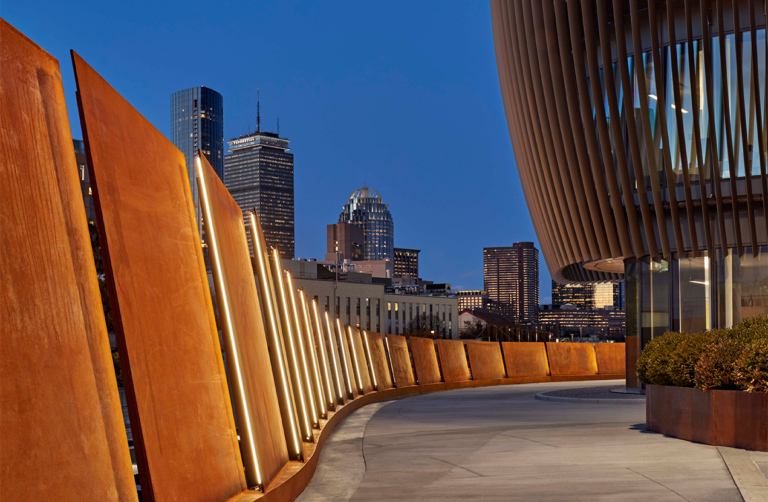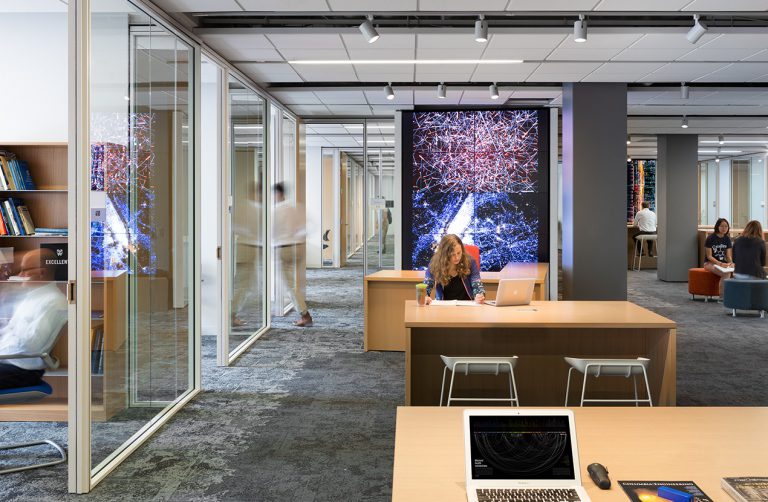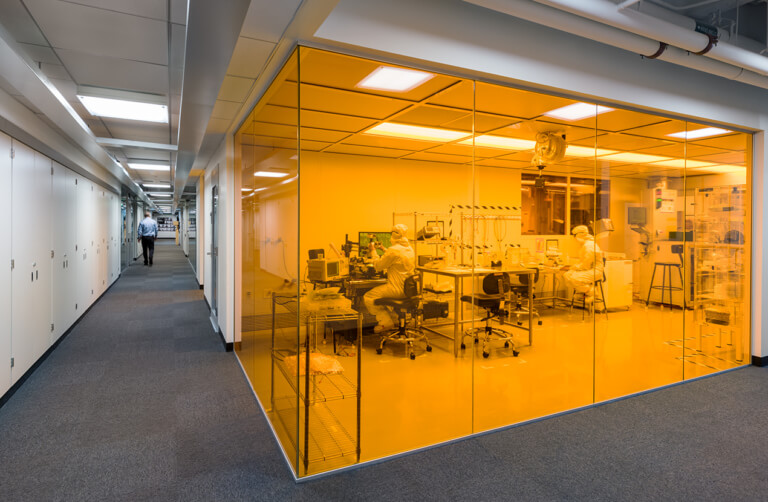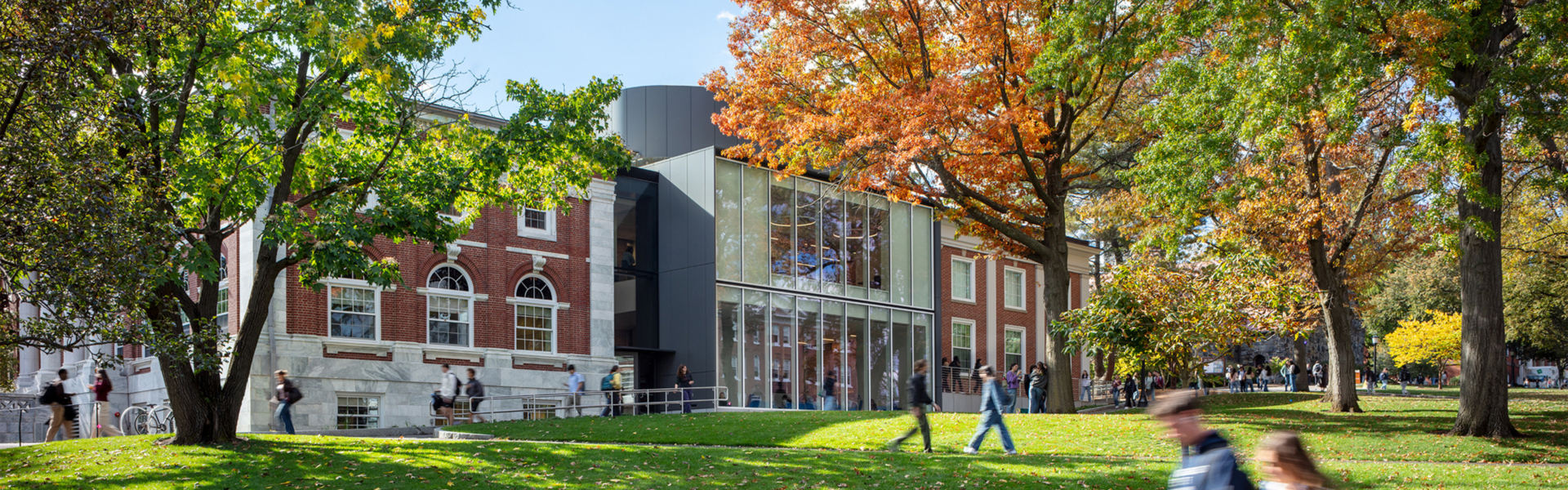
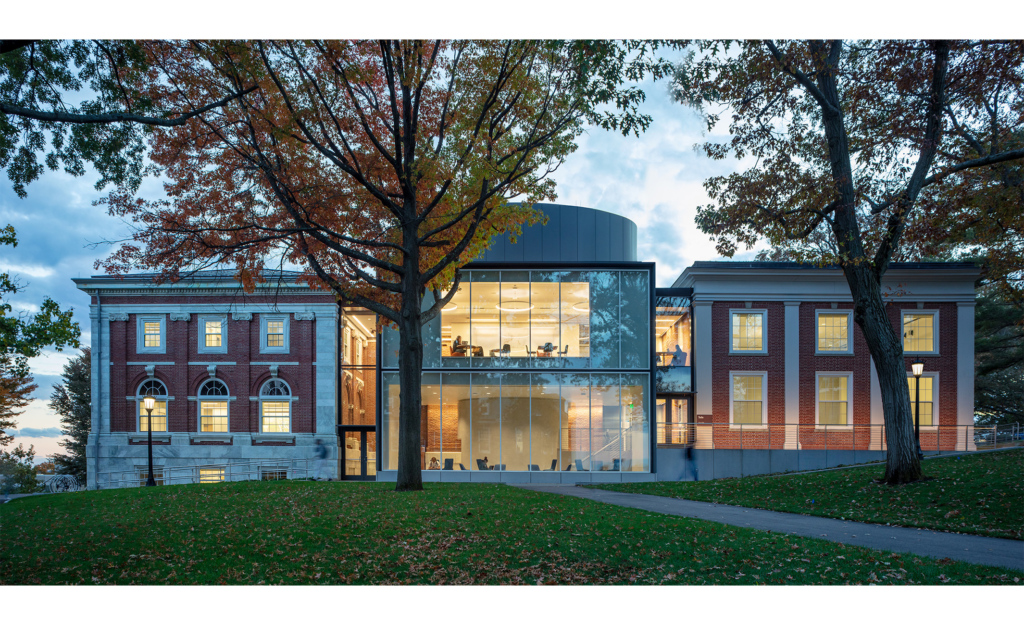
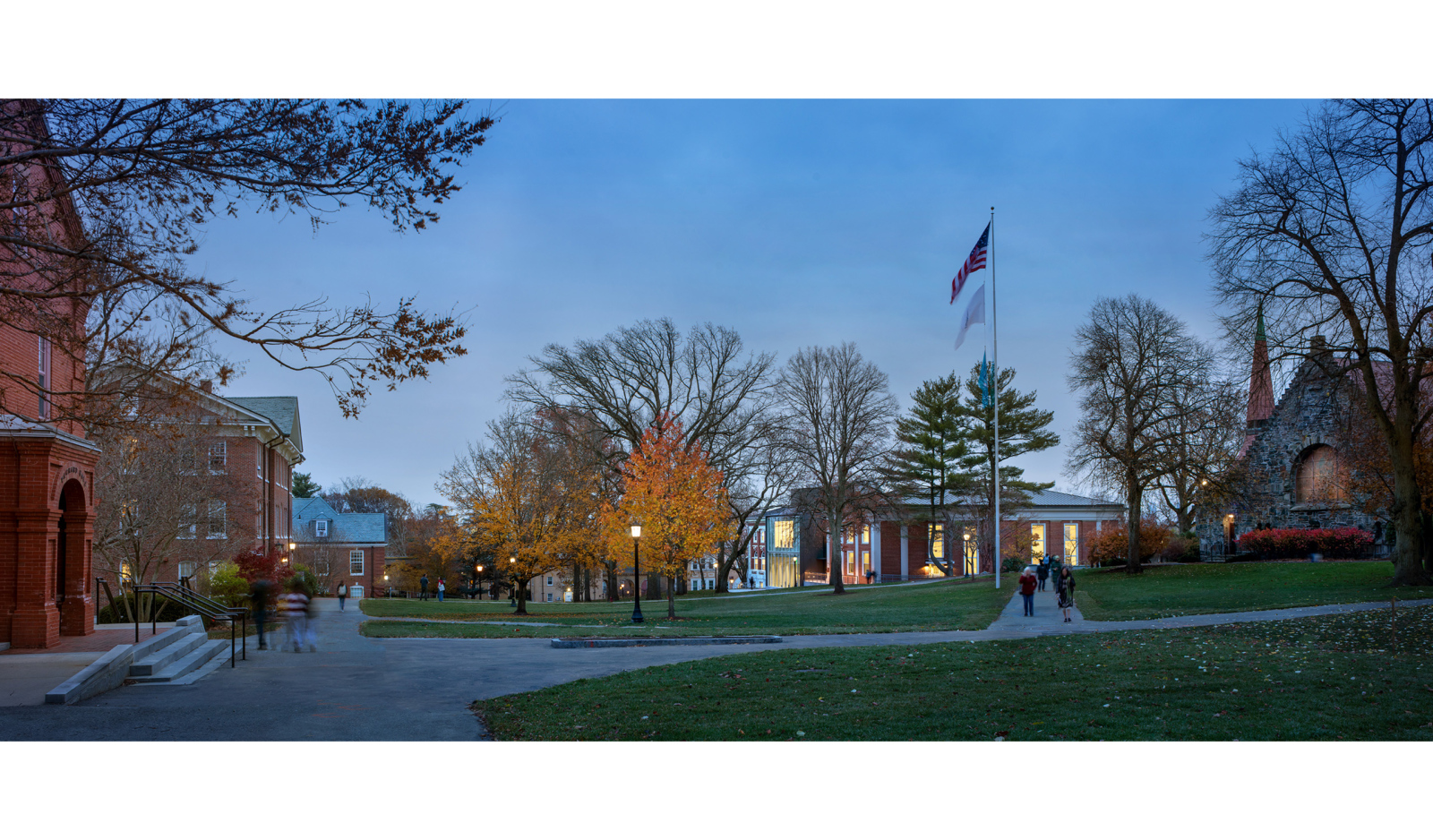
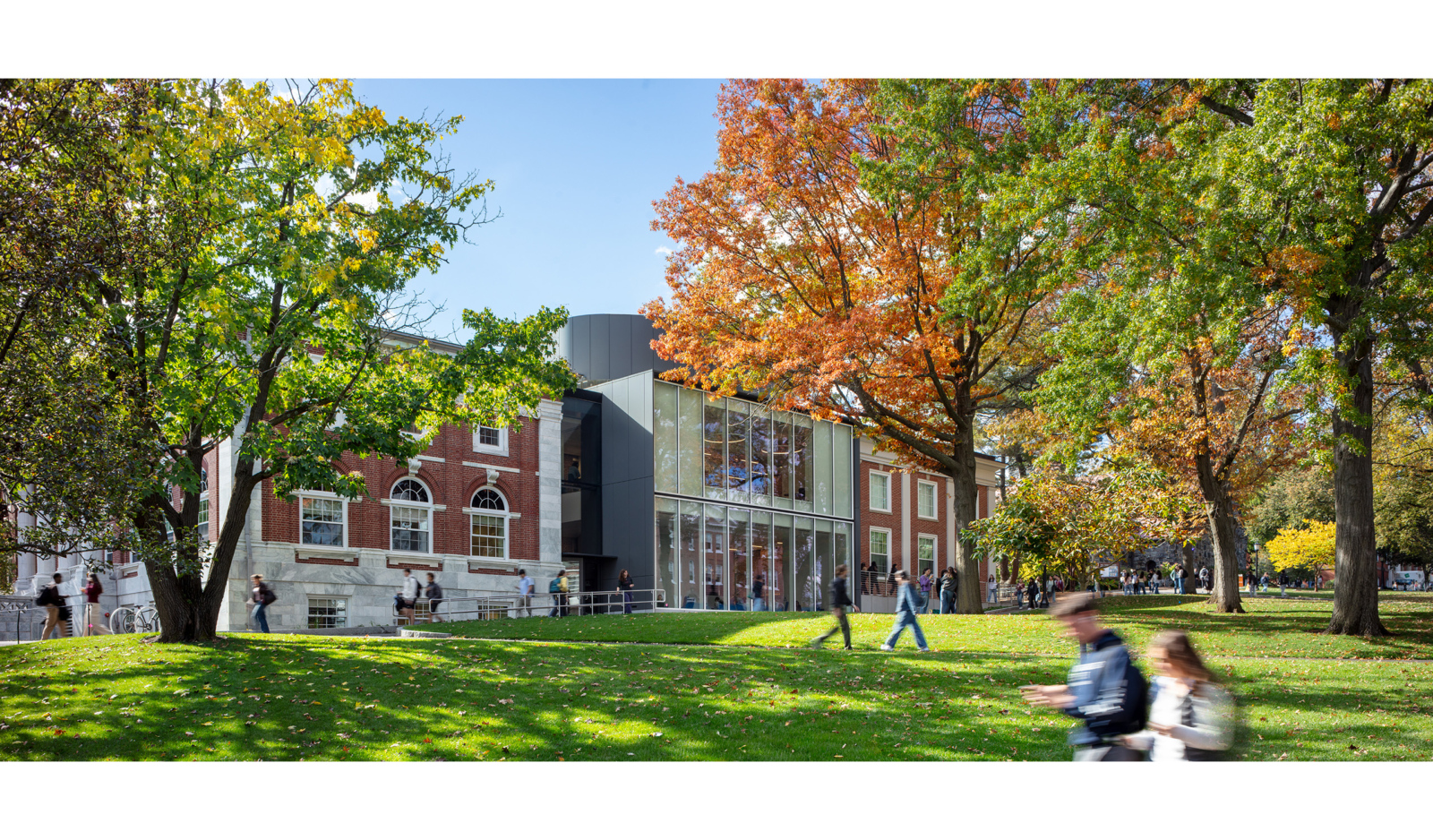
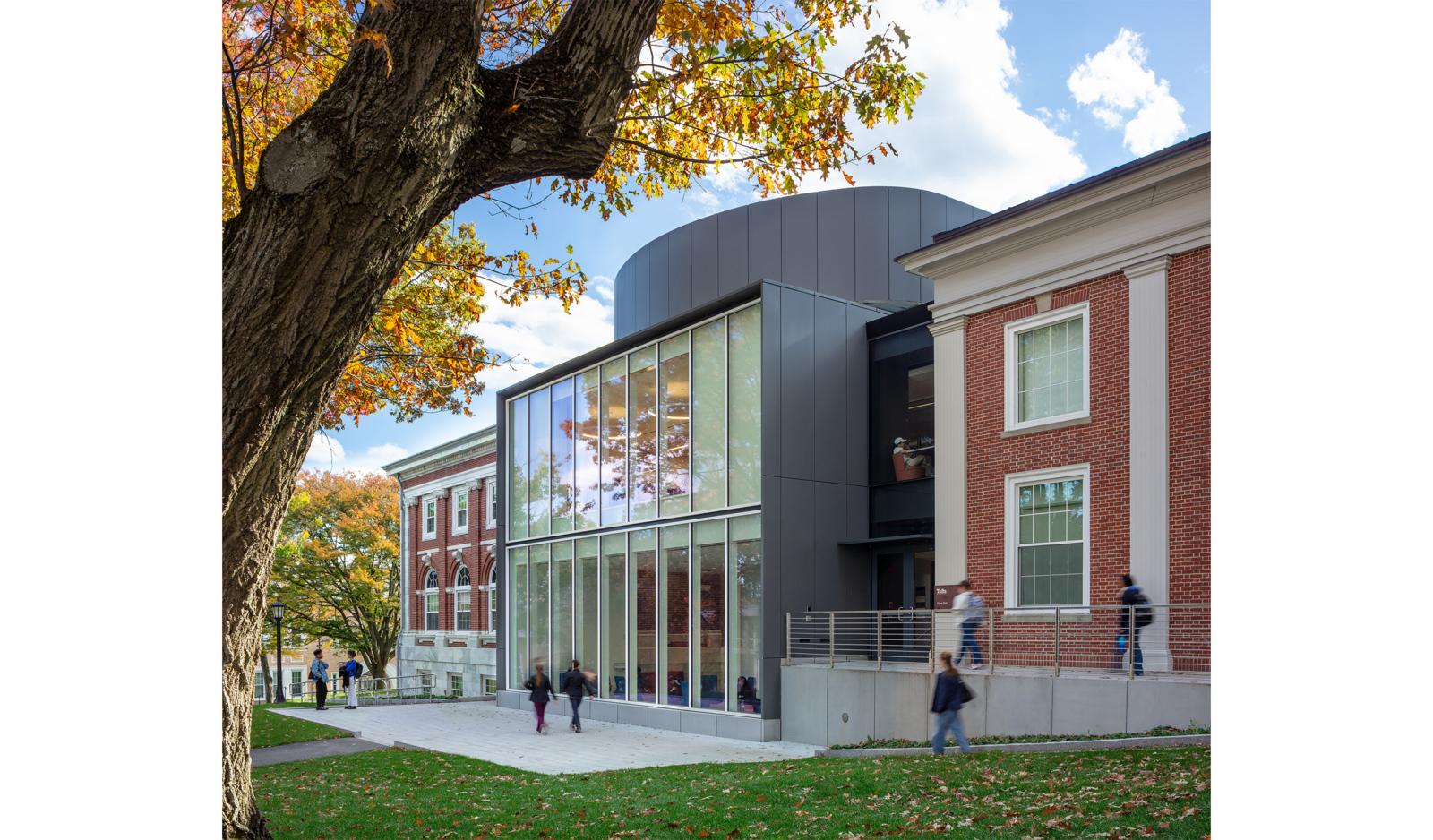
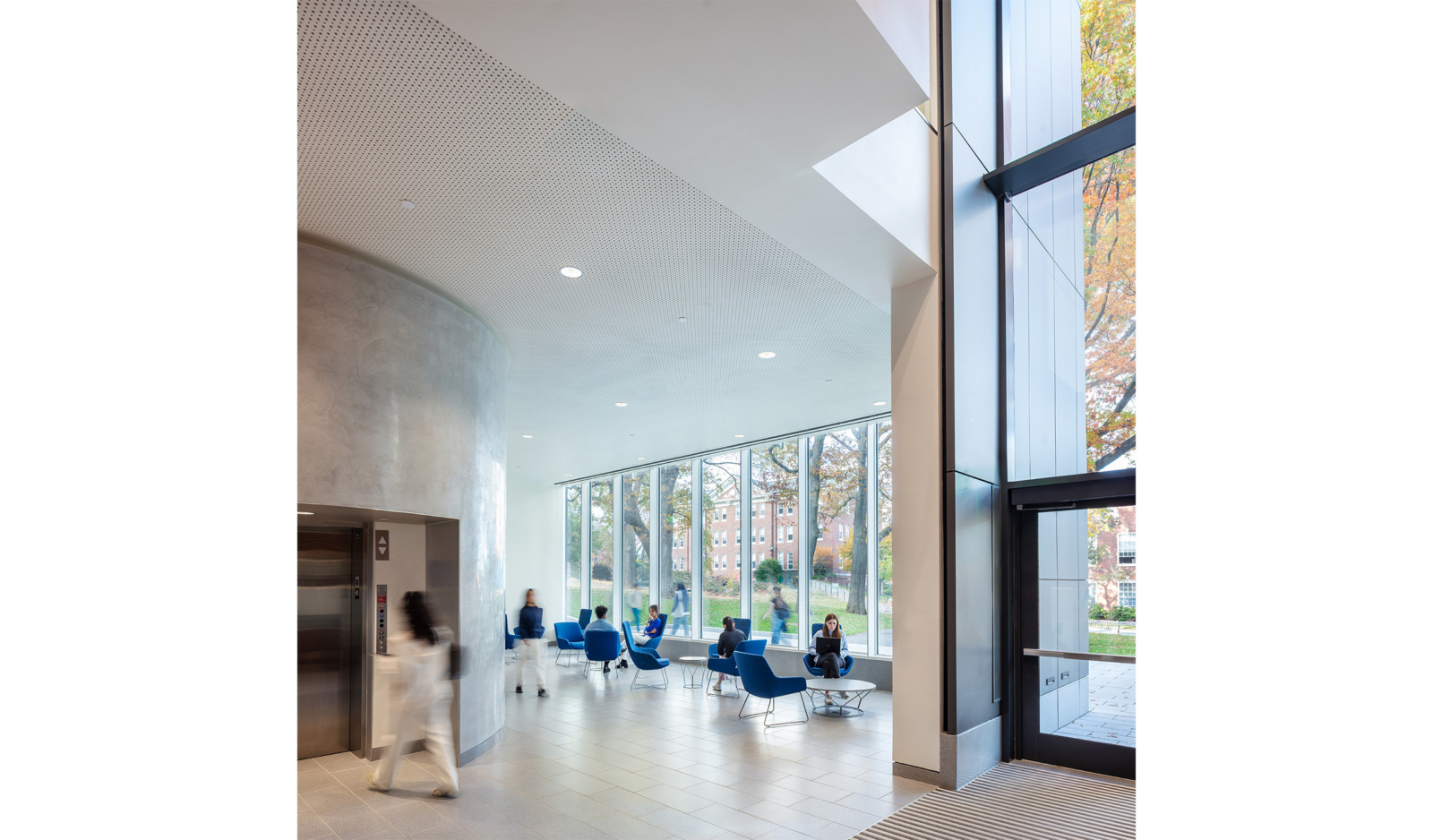
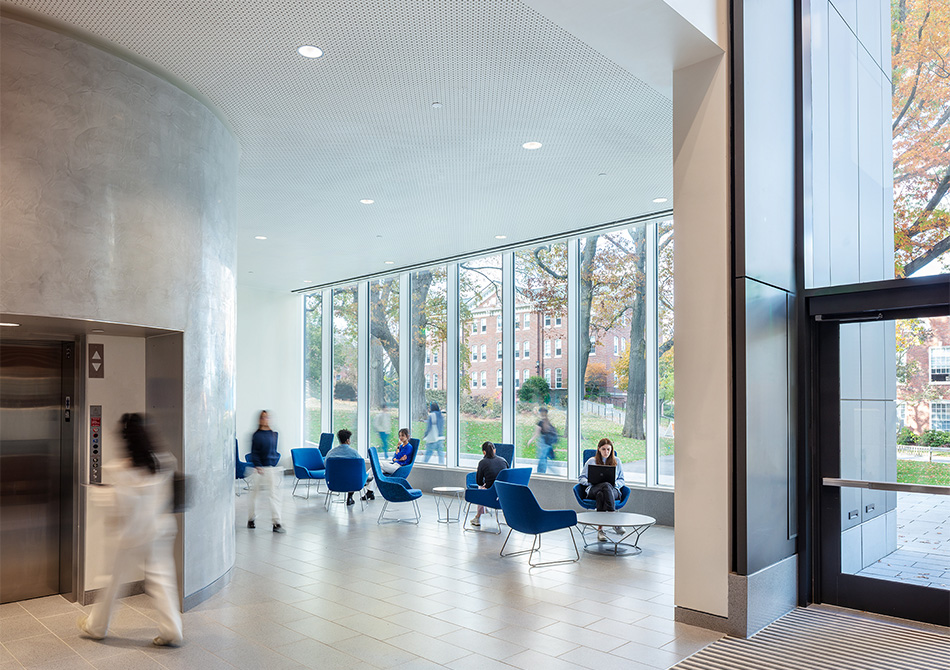
With a modest yet highly impactful two-story addition that infills an underutilized side court of historic Eaton Hall, PAYETTE created both a new front door and an iconic beacon for the Tufts campus. The project gives Eaton Hall—the university’s original library, now used for classrooms, departmental offices and admissions information sessions—an identifiable entrance from the university’s main campus Green for the first time in its nearly 120-year-old history. The addition’s central feature is a campus living room and adjacent exterior plaza that sits at a new floor level, corresponding to where the building is entered from the sloping Green. In conjunction with a new elevator and new mechanical systems, the project solves decades of accessibility and infrastructure deficiencies that prepare the historic structure for another century of active use.
Tufts University
Eaton Hall Addition
Project Statistics
LOCATION
Medford, MA / United States
EST. COMPLETion
2025
TOTAL SQUARE FOOTAGE
3,500 GSF
AWARDS
Team
Kevin B. Sullivan, FAIA
Principal-in-Charge
Peter Vieira
Design Principal
Dane Clark
Project Architect
Architect
PROJECT EUI
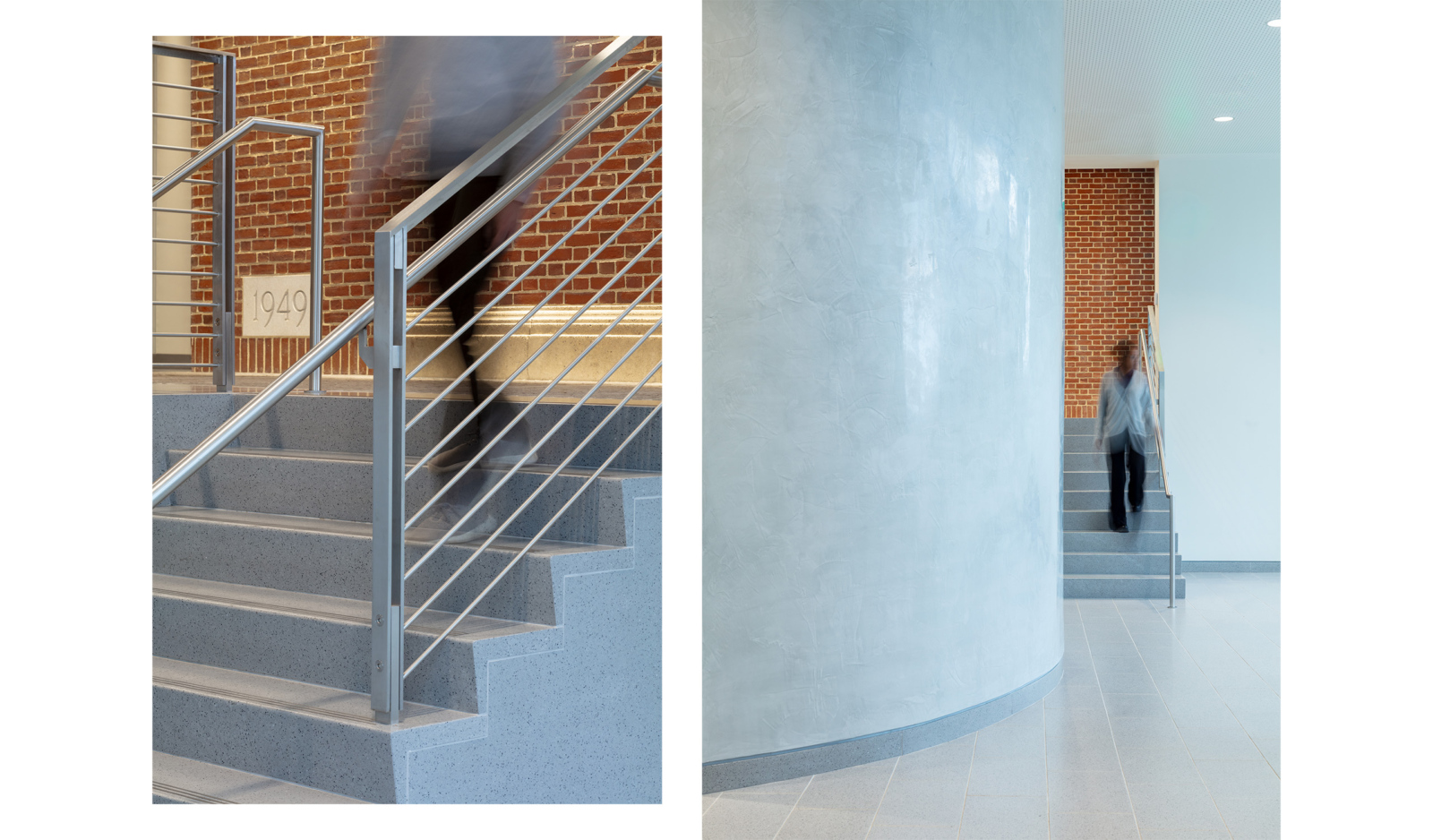
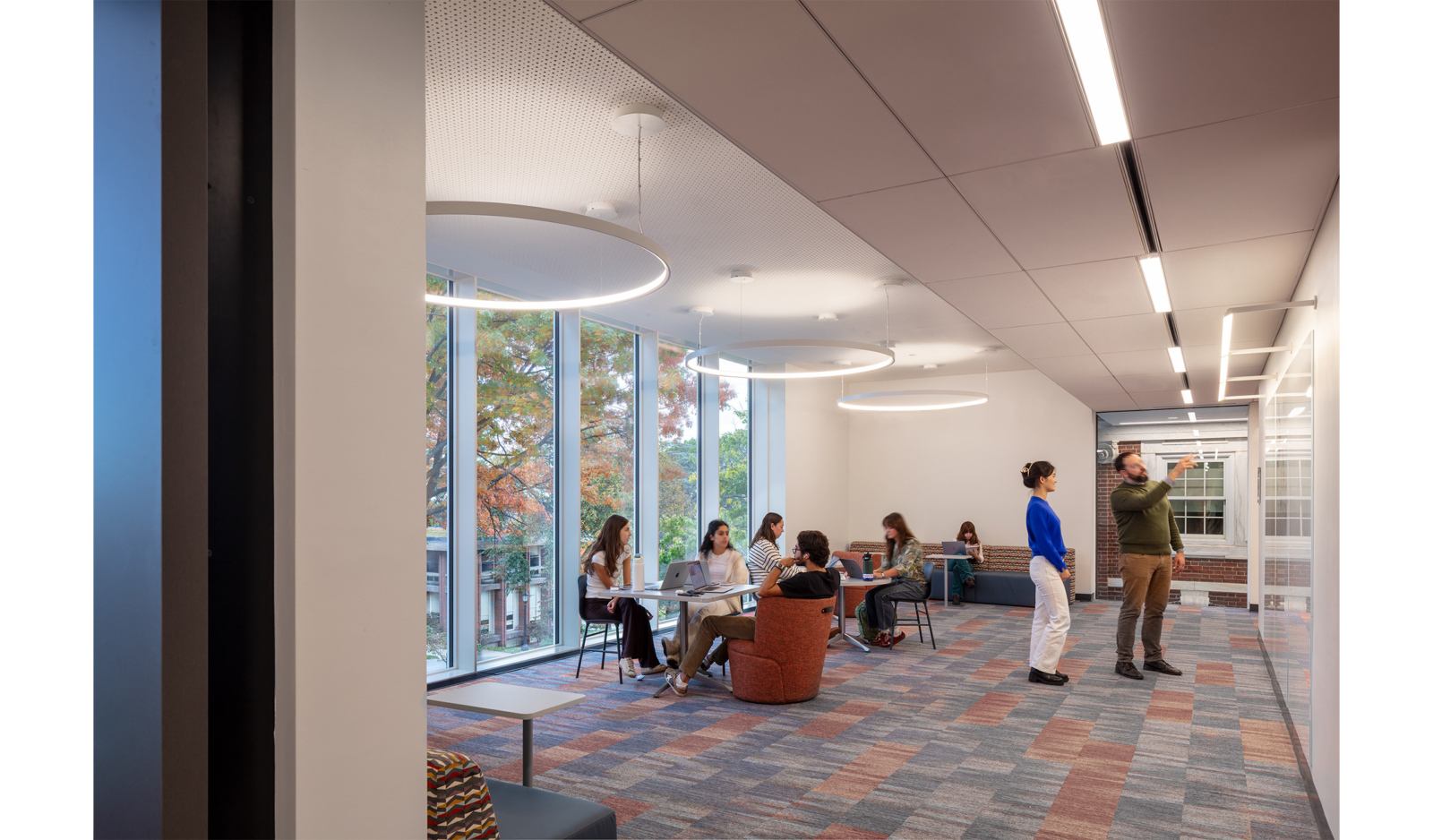
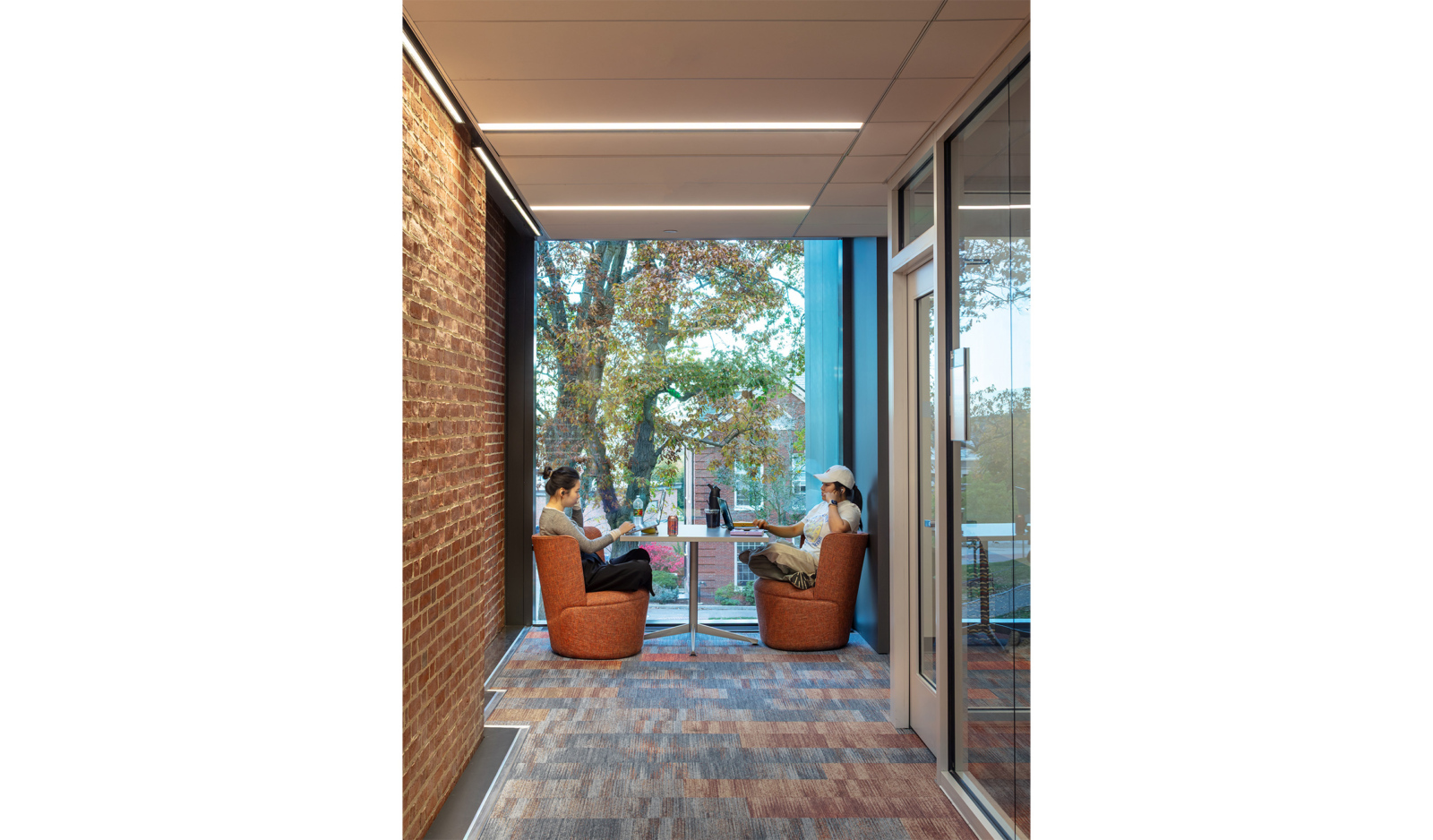
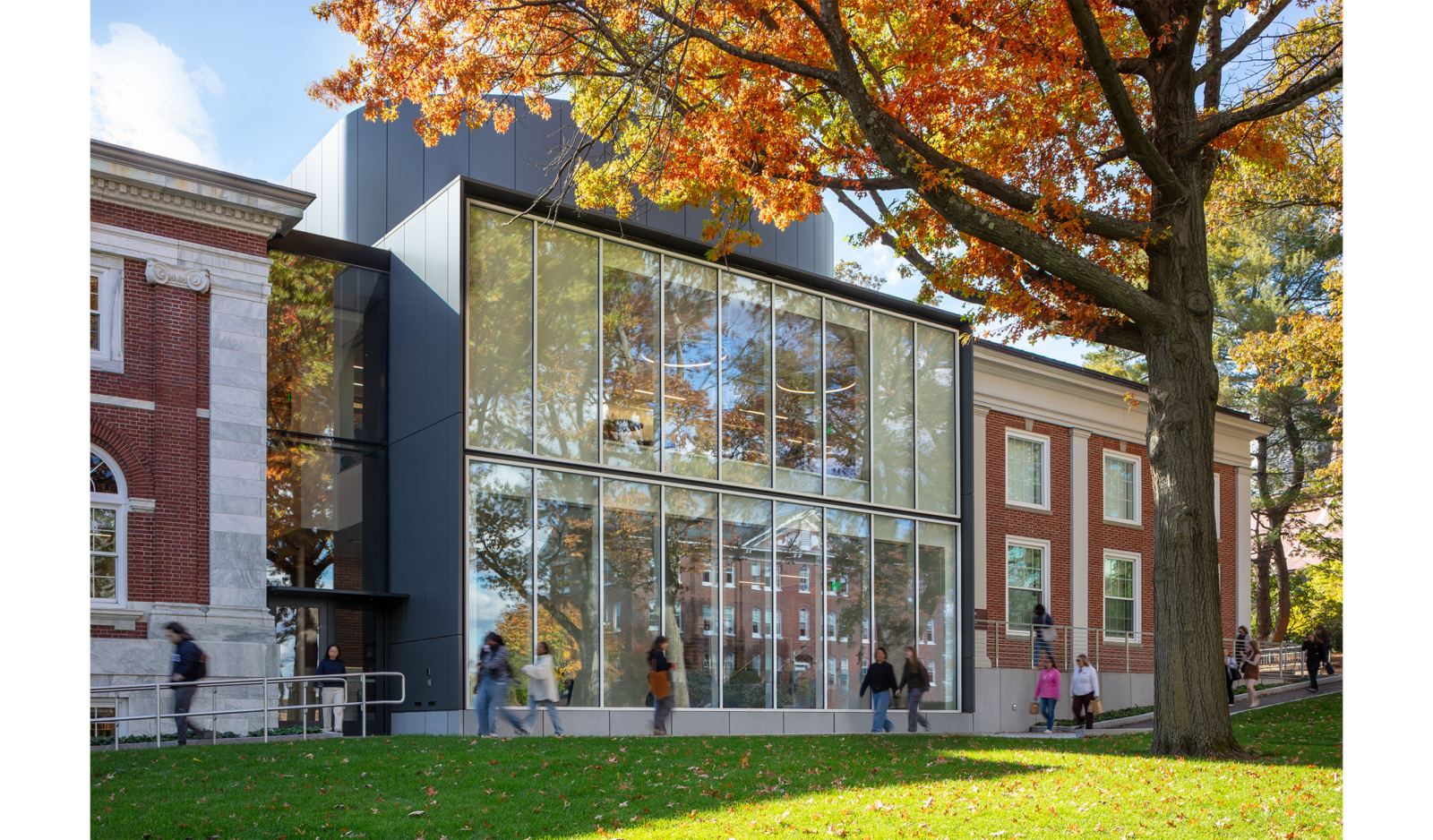
COMPLEMENTARY CONTRAST
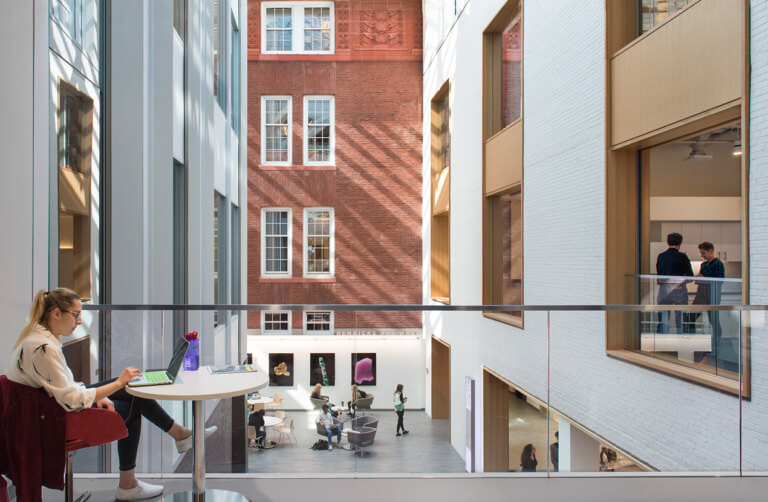
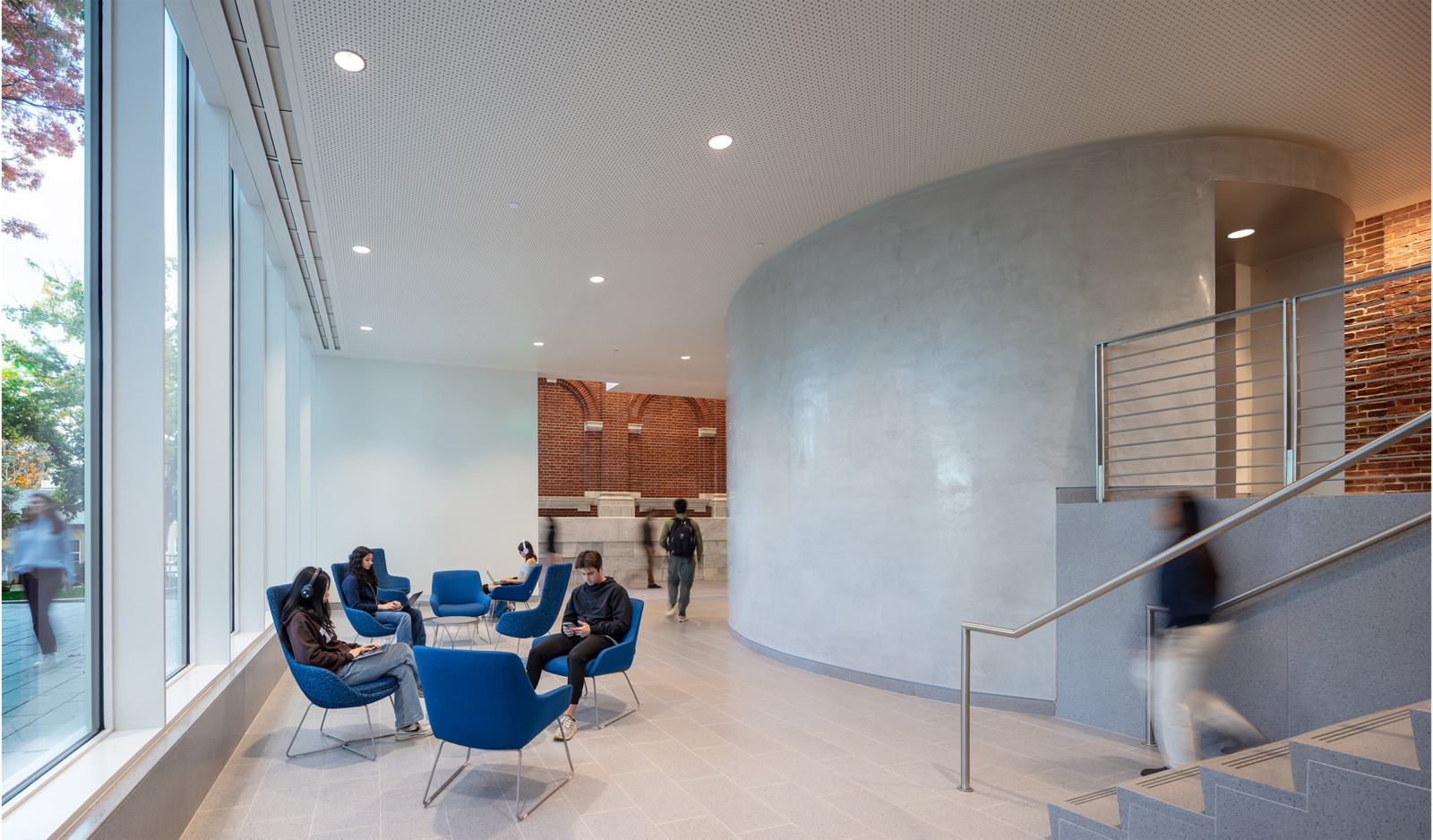
Architecturally, the addition eschews direct mimicry of Eaton’s distinguished marble and brick exterior by employing a minimally detailed, contemporary glass and aluminum shell that allows the original building’s exquisite features to be prominently viewed up close, from both inside and out. Former exterior brick walls, windows and architectural details remain fully intact and visible within the new enclosed space, creating a threshold condition that honors the building’s memory while serving students. In its proportions and overall composition, the new façade respectfully reinterprets the classicism of Eaton’s flanking wings while allowing the mature campus landscape to be reflected in its taut glazed surface.
embracing accessibility
The addition helps to mitigate four different floor levels within the building, a byproduct of its sloping site and various additions over time that proved challenging to contemporary mobility and accessibility needs. Embracing both the preserved historic architecture and the required elevator as central organizing elements rather than hiding them, the addition demonstrates that inclusive, human-centric design can honor institutional history. Even at a small-scale footprint, this contemporary gathering space extends the quad inward, expanding the habitable footprint of the quad and reflecting Tufts’ values of student-centered inclusion and collaboration. Even rooftop mechanical equipment is gracefully enveloped by a sculptural screen that allows for full functionality without compromising the graceful harmony of the building’s aesthetics.